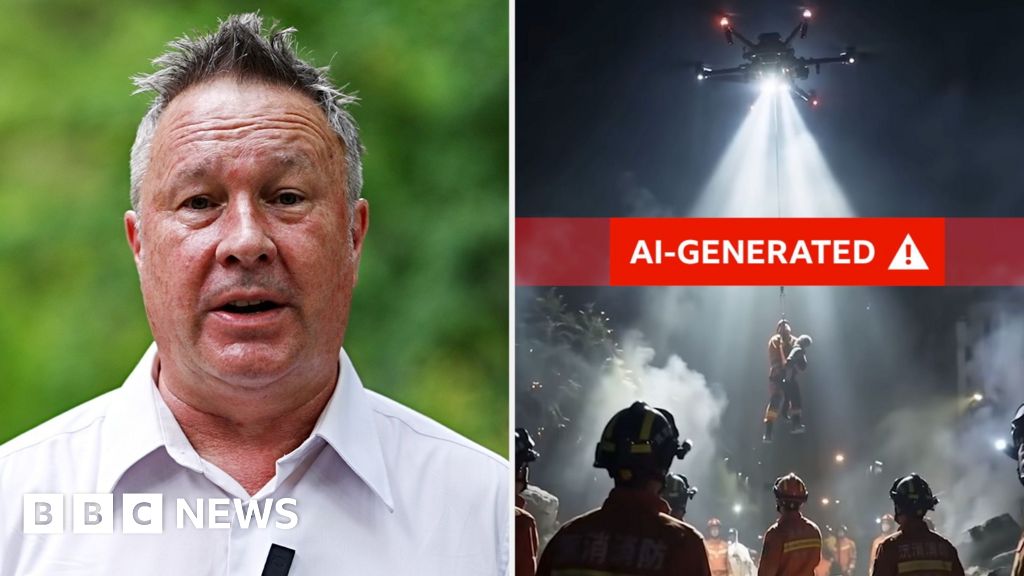
As extreme weather events surge, fake videos are spreading online at alarming rates, creating real‑world challenges in China. BBC’s investigation highlights how difficult it is to spot AI‑generated footage.
Key Takeaways
- Fake disaster videos are proliferating on social media during severe weather.
- BBC’s analysis finds AI‑generated content increasingly hard to detect.
- China’s government pledges stricter action against misinformation.
Historical Background
In recent years, China has faced worsening floods, typhoons, and landslides. Each crisis brings a flood of online footage, many of which spark debate over authenticity, fueling panic and misinformation.
BBC Investigation
BBC Asia correspondent Stephen McDonell explains that deep‑fake technology and automated editing tools now blend real disaster scenes with synthetic elements, making verification a formidable task.
Why This Matters
BozokMedia analysis shows that such fabricated content not only spreads public confusion but also hampers emergency response, endangering real victims.
"AI‑generated videos have become virtually indistinguishable to the human eye," notes digital‑security expert Dr. Li Wei.
Government Response
China’s authorities have vowed to crack down on misinformation, yet the lack of robust detection tools makes enforcement challenging. Platforms are being urged to remove deceptive clips swiftly.
Frequently Asked Questions
Question 1: Are all disaster videos AI‑generated?
Answer: No, many are genuine recordings, but AI‑generated footage is on the rise.
Question 2: How can the government stop fake videos?
Answer: By deploying advanced detection algorithms and tightening regulatory policies.