Alibaba intends to require large customers of its upcoming Qwen3.8‑Max open‑source AI model to share a portion of their revenue. The move mirrors a growing ‘freemium’ trend among Chinese AI firms targeting U.S. rivals.
Key Takeaways
- Alibaba will impose revenue‑sharing on Qwen3.8‑Max users
- Only firms earning > $20 million annually will be affected
- Chinese AI firms are shifting open‑source models to commercial profit
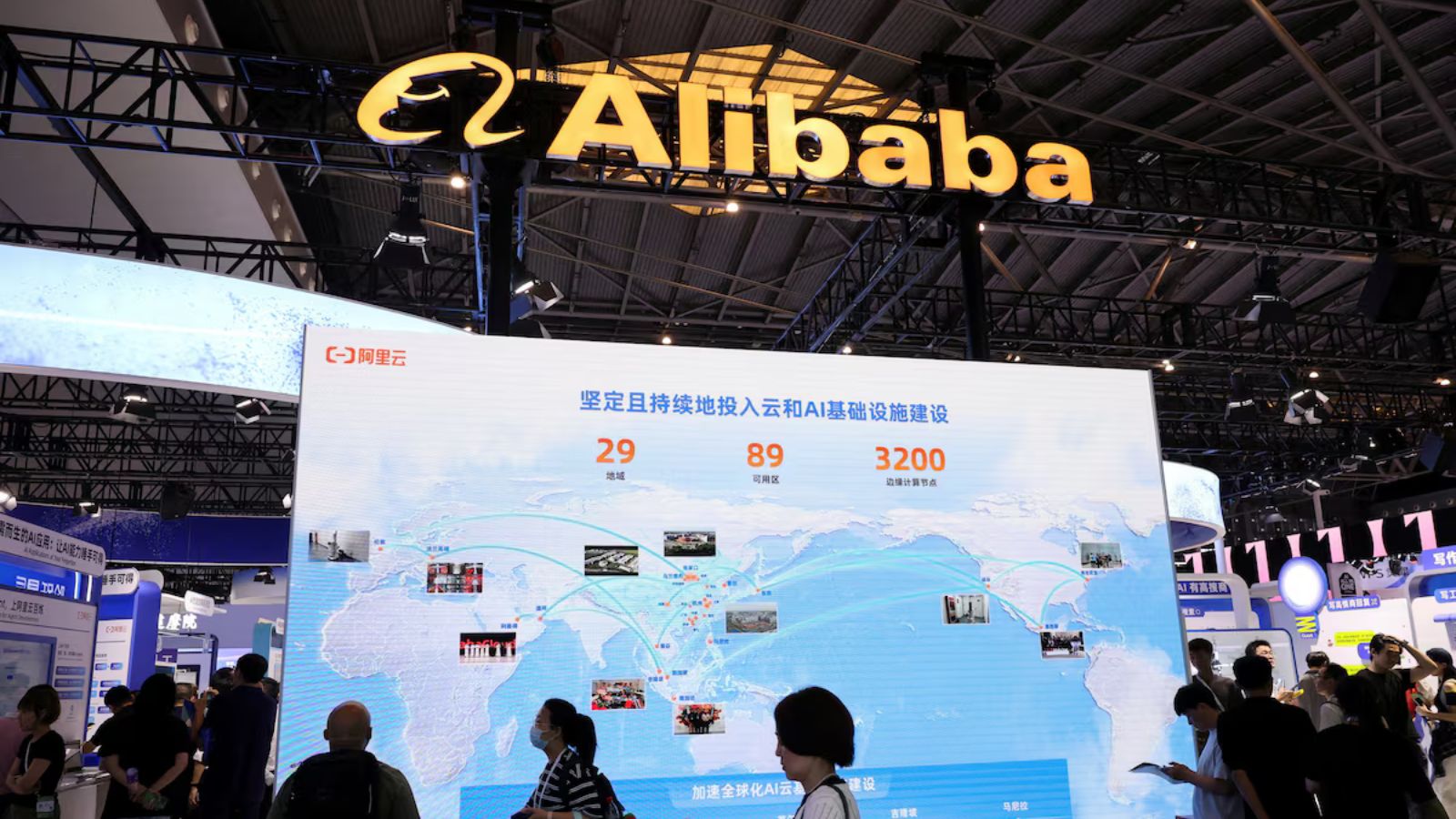
Chinese tech giant Alibaba is set to ask major users of its next open‑source AI model, Qwen3.8‑Max, to share a slice of the revenue they generate, according to two insiders. The policy targets companies whose annual sales exceed $20 million and requires them to negotiate a commercial agreement before offering the model as a service.
This approach echoes the licensing terms of Moonshot’s Kimi K3 model released last month, which mandated up to a 30% revenue share for high‑earning partners. While Alibaba has historically charged for cloud‑hosted usage, it has allowed most open‑source releases to run free in customers’ own data centers.
Chinese AI firms are now adopting a Silicon‑Valley‑style “freemium” playbook—low‑cost entry followed by fees for heavy commercial use—challenging closed‑source rivals such as OpenAI, Anthropic and Google. The shift signals a strategic push to capture market share from U.S. competitors.
"Revenue‑sharing on open‑source AI creates a sustainable path for innovation," says AI analyst Dr. Maya Patel.
Why This Matters
BozokMedia analysis shows that this move will not only boost Alibaba’s bottom line but also cement China’s influence in the global AI ecosystem. Enterprises will now face additional costs for continuous model upgrades and optimization, forging a new value chain in the AI market.
Frequently Asked Questions
Q1: Will startups be exempt from the revenue‑sharing requirement?
A1: The current policy applies only to users with annual revenues above $20 million, effectively exempting smaller firms.
Q2: What percentage of revenue will Alibaba seek?
A2: The exact share is still under negotiation, but industry insiders suggest it could mirror Moonshot’s up‑to‑30% model.