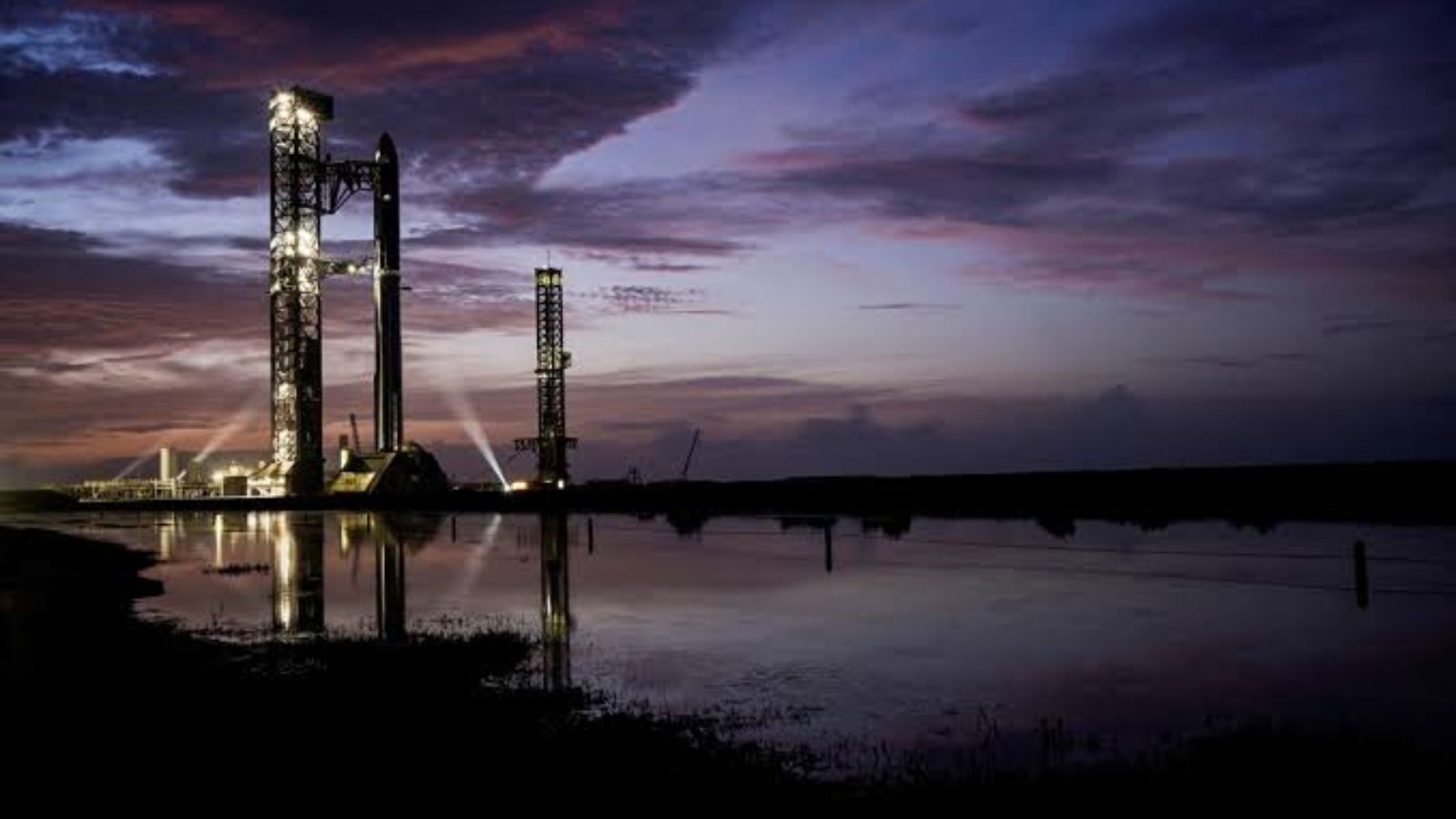
SpaceX faces a critical setback as recovery efforts for the Starship Flight 13 upper stage struggle against rough ocean conditions. CEO Elon Musk warns the spacecraft could be lost at sea.
Key Takeaways
- SpaceX's Starship upper stage is stranded in the Indian Ocean.
- Severe weather and rough seas are hindering recovery operations.
- Elon Musk suggests the spacecraft may be permanently lost.
- Valuable data on the heat shield and engines has been successfully collected.
The ambitious mission of SpaceX has hit a major snag. Following the successful suborbital flight of Starship Flight 13, the recovery of its 171-foot upper stage, known as 'Ship', is in serious jeopardy. CEO Elon Musk expressed concern on X, stating that the recovery operation is not looking promising due to extreme maritime conditions.
The spacecraft splashed down in the Indian Ocean off the coast of Western Australia on July 24. Unlike previous iterations, this version remained remarkably intact after landing, floating on the surface. However, the attempt to tow the massive vessel back to shore has been thwarted by increasingly turbulent seas, making the mission to retrieve the hardware highly uncertain.
Why This Matters
BozokMedia analysis shows that while the loss of the physical hardware is a setback, the scientific windfall is significant. SpaceX has managed to secure high-resolution, close-up imagery of the heat shield and engine components. This visual data is critical for troubleshooting the thermal protection systems that are vital for atmospheric re-entry.
The successful deployment of Starlink V3 satellites during this flight proves the mission's functional success, even if the hardware recovery fails.
Flight 13 was a milestone for the Starlink V3 constellation, demonstrating the ability to deploy next-generation satellites. As SpaceX prepares for its 14th test flight, the lessons learned from this 'stranded' Starship will likely dictate the design improvements for future reusable spacecraft.
Historical Background
Since its inception, SpaceX has prioritized rapid reusability. The Starship program is the cornerstone of Elon Musk's vision to colonize Mars, requiring a vehicle that can land, refuel, and launch again with minimal turnaround time.
Frequently Asked Questions
1. Why is SpaceX unable to recover the Starship?
The primary reason is the exceptionally rough sea conditions in the Indian Ocean, which make towing a 52-meter spacecraft dangerous.
2. Was the Starlink deployment successful?
Yes, the mission successfully tested the deployment of 20 next-generation Starlink V3 satellites.
