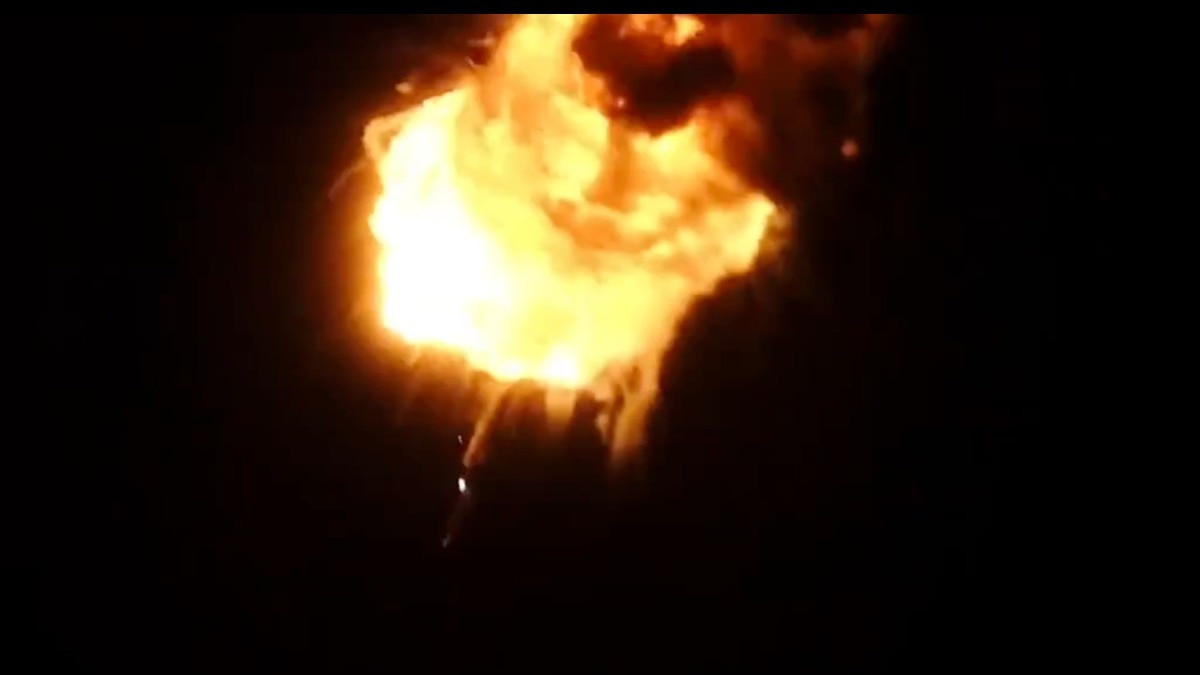
A catastrophic failure struck China's space ambitions as the Long March 7A rocket exploded just 85 seconds into its flight, resulting in the total loss of the mission.
Key Takeaways
- The Long March 7A rocket suffered a catastrophic failure 85 seconds post-launch.
- The explosion led to the complete destruction of the vehicle and its payload.
- Official investigations are underway to determine the root cause of the malfunction.
In a shocking turn of events, China's latest attempt to expand its orbital presence ended in disaster. The Long March 7A rocket, designed for high-efficiency satellite deployment, disintegrated in a massive fireball shortly after clearing the launch pad. The failure occurred during the critical ascent phase, where structural stress is at its peak.
Why This Matters
BozokMedia analysis shows that this failure comes at a time when China is aggressively trying to compete with SpaceX and NASA. Such high-profile malfunctions can lead to delays in strategic satellite deployments and may shake investor and political confidence in the CNSA's rapid development cycle.
"A failure at the 85-second mark typically suggests a failure in the first-stage propulsion or a critical breach in the fuel containment system."
Historically, the Long March series has been the backbone of the Chinese space program. However, the transition to newer iterations like the 7A has seen intermittent challenges. This incident highlights the inherent risks of aerospace engineering where a single faulty valve or a line of bad code can lead to total mission loss.
Frequently Asked Questions
Q1: What caused the Long March 7A to explode?
A: The exact cause is under investigation, but experts suspect a propulsion system failure or an onboard computer glitch.
Q2: Was anyone injured in the explosion?
A: No, the mission was unmanned, and the explosion occurred at a safe distance from the launch site infrastructure.