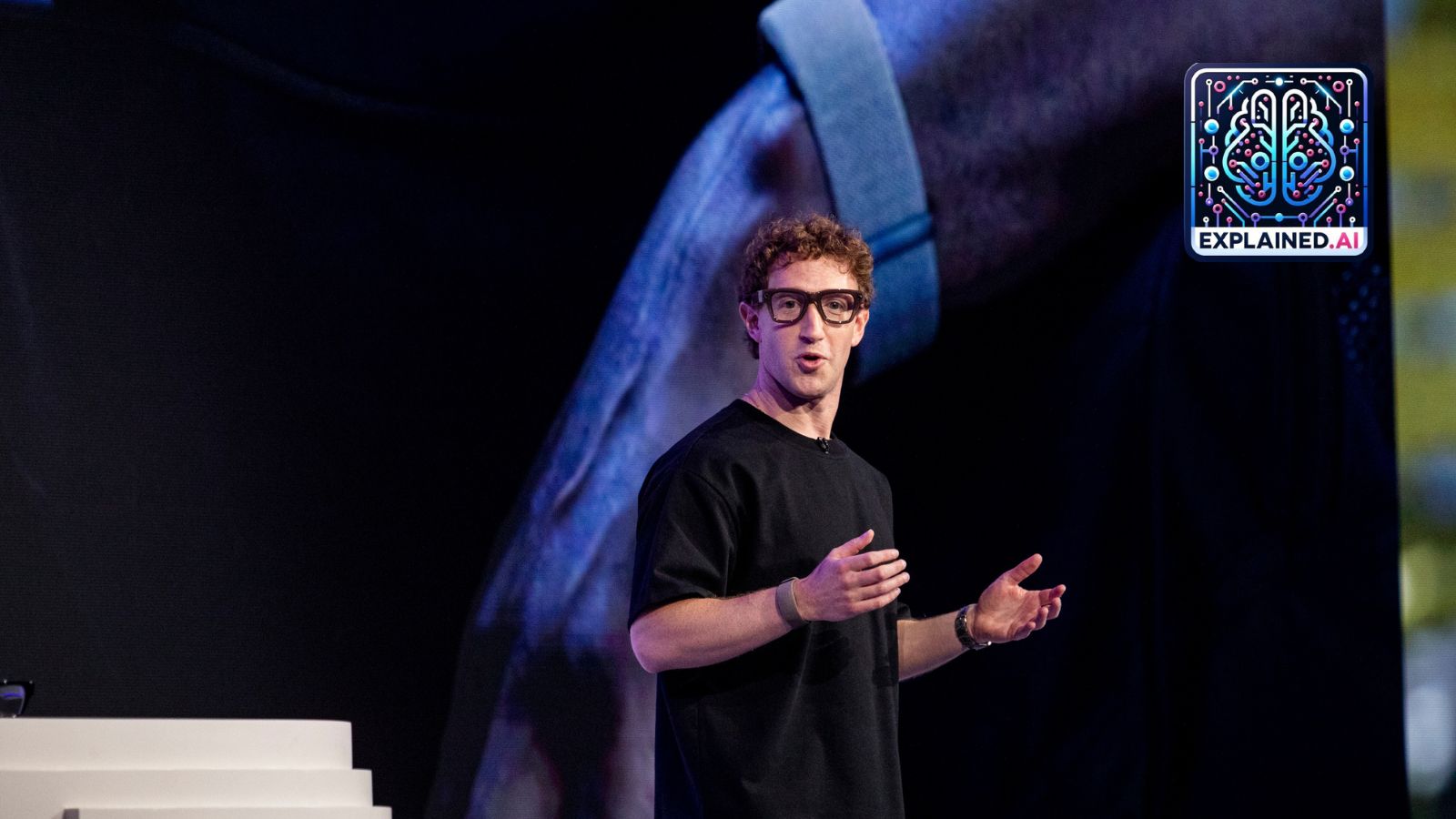
Meta CEO Mark Zuckerberg argues that the greatest risk to AI is the centralization of power, proposing a future of 'personal superintelligence' and open-weight models.
Key Takeaways
- Centralization of AI power in a few hands is the primary risk to humanity.
- Advocacy for 'Personal Superintelligence' tailored to individual user values.
- Open-weight models are essential for democratization and rapid innovation.
- Safety should be managed through corporate governance and government partnership.
Meta CEO Mark Zuckerberg has released a comprehensive 6,500-word manifesto titled "The Future is for Everyone." In this document, Zuckerberg challenges the current trend of AI development, arguing that the over-centralization of power within a few corporate entities or governments poses a systemic risk to the proliferation of artificial intelligence.
The Concept of Personal Superintelligence
Zuckerberg explicitly rejects the notion of a "single benevolent superintelligence." He posits that because humanity is not a monolith—possessing divergent values and priorities—a single AI governing these values would inevitably marginalize some groups. Instead, he proposes "Personal Superintelligence," where powerful AI is personalized to meet the specific needs and ethical frameworks of the individual user. This would effectively grant every person a "personalized tutor with a PhD in every subject."
Why This Matters
BozokMedia analysis shows that Zuckerberg is strategically positioning Meta as the 'champion of the people' against the 'closed-door' approach of OpenAI and Anthropic. By promoting open weights, Meta aims to build a massive, decentralized ecosystem where it remains the primary infrastructure provider, regardless of who wins the 'frontier' race.
"The shift toward open-weight models is a calculated move to break the gatekeeping power of current AI giants."
The Open-Weight Debate: Innovation vs. Security
A central pillar of the manifesto is the support for open-weight models. These allow developers to run trained models on their own hardware. Supporters argue this prevents a few labs from becoming gatekeepers and fosters innovation through peer review. However, critics like Anthropic CEO Dario Amodei warn that this openness could empower malicious actors to create bio-weapons or execute industrial-scale cyberattacks.
| Feature | Closed AI Models | Open-Weight Models |
|---|---|---|
| Control | Centralized (One Company) | Distributed (Community/Devs) |
| Innovation | Proprietary/Slowed by Safety | Rapid/Driven by Experimentation |
| Accessibility | API-based (Paid/Restricted) | Local Deployment (Flexible) |
Frequently Asked Questions
Q1: What are open-weight AI models?
A: They are models where the trained parameters (weights) are released publicly, allowing anyone to run the model on their own infrastructure without needing the original training data.
Q2: How does Zuckerberg propose to handle AI safety?
A: He suggests a hybrid approach combining strong internal corporate governance with ongoing collaboration with government agencies.