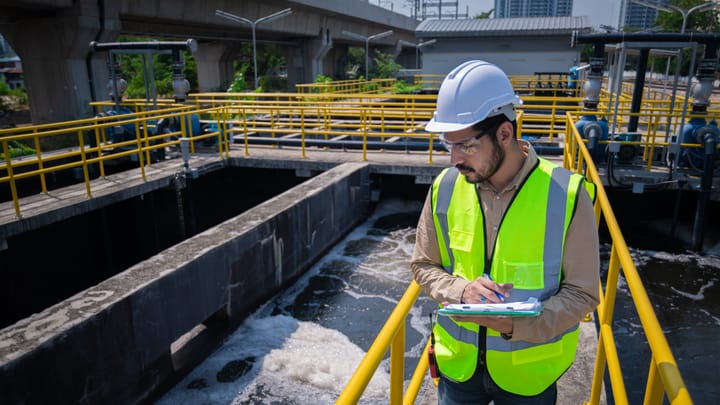
A wave of cyberattacks targeting water and wastewater systems has spread across a dozen US states, exploiting unsecured, internet-exposed PLCs. Experts suspect Iranian-linked actors are attempting to incite public fear.
Key Takeaways
- Cyberattacks have hit water systems across at least 12 US states.
- Threat actors targeted Programmable Logic Controllers (PLCs) by exploiting internet exposure.
- The pro-Iranian group 'CyberAv3ngers' is a primary suspect.
- Impacts ranged from operator lock-outs to actual water pressure drops in Georgia.
In a concerning escalation of cyber warfare, water and wastewater organizations across a dozen US states have reported intrusions into their operational technology (OT) systems. Minnesota was among the first to confirm the breach, reporting that over 30 water systems were targeted. The Cybersecurity and Infrastructure Security Agency (CISA) has since issued an urgent advisory for critical infrastructure owners to remove publicly exposed PLCs from the internet immediately.
Why This Matters
BozokMedia analysis shows that the vulnerability is not just technical, but systemic. The water sector is comprised of roughly 170,000 decentralized systems, many of which are managed by small municipalities with limited budgets and no dedicated cybersecurity staff. This creates a 'security vacuum' where critical infrastructure is managed by well-meaning operators who lack the tools to fight state-sponsored cyber threats.
"Industrial controllers like PLCs were historically engineered for physical isolation and reliability rather than Internet exposure, meaning many lack basic secure-by-design capabilities like MFA."
While most attacks resulted in operational disruptions—such as locking operators out of systems—the situation in Georgia was more severe. Cyber activity in Clayton County reportedly caused a drop in water pressure, forcing the agency to issue a boil water advisory, proving that these digital attacks can have immediate physical health consequences.
Historical Background & Attribution
The FBI previously warned in April that Iranian threat actors were specifically targeting PLCs from vendors like Rockwell Automation, Siemens, and Schneider Electric. Many researchers point toward the CyberAv3ngers, a pro-Iranian hacktivist group. Their tactics are often described as 'opportunistic,' focusing on low-complexity attacks to gain media attention and demonstrate the fragility of US infrastructure.
| Affected State | Primary Impact | Severity Level |
|---|---|---|
| Minnesota | 30+ systems targeted; visibility lost | Medium |
| Georgia | Pressure drop; Boil water advisory | High |
| Michigan/SD | PLC lock-outs; manual workarounds | Medium |
Frequently Asked Questions
Q1: Was the water supply completely cut off?
A: No, there was no total disruption of supply, but operational control was lost in several areas, and pressure dropped in specific Georgia locations.
Q2: Who is the CyberAv3ngers group?
A: They are a pro-Iranian hacktivist group known for targeting US critical infrastructure to spread propaganda and incite fear.