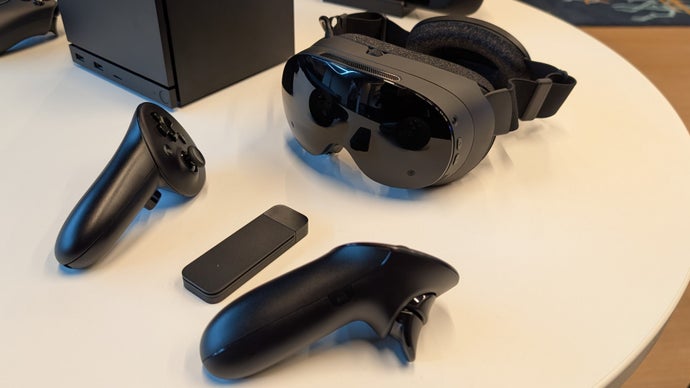
As VR headset shipments plummet and major studios shutter, all eyes are on Valve's upcoming Steam Frame. Can this new device reverse the industry's downward spiral?
Key Takeaways
- VR headset shipments saw a sharp 17% decline in Q1 2026.
- Meta continues to dominate, holding a massive share of the Steam VR user base.
- Meta's Reality Labs has incurred staggering losses of approximately $80 billion.
- The market is currently split between ultra-premium high-end gear and AI smart glasses, leaving a gap in the mid-range.
The virtual reality landscape in 2026 is facing a grim reality. Recent data indicates a 17% drop in VR headset shipments during the first quarter. While the broader gaming industry is struggling, the VR sector—gaming's most niche segment—is battling specific hurdles: a lack of mid-range hardware and a disappearing ecosystem of dedicated studios.
A Market Divided: Premium vs. Utility
The hardware market has shifted away from the versatile, all-in-one gaming headsets that once defined the era. Today, the industry is polarized. On one end, we see high-end enthusiasts investing thousands in Pimax devices; on the other, we see a surge in AI-powered smart glasses designed for social utility rather than immersive gaming. This 'missing middle' has left many consumers without an accessible entry point into VR.
Why This Matters
BozokMedia analysis shows that the success of the VR industry hinges on bridging this gap. Without a compelling mid-range device that offers both performance and affordability, VR risks becoming a fragmented market of extreme high-end collectors and casual smart-glass users, losing its core identity as a gaming powerhouse.
The survival of VR depends on moving beyond the 'metaverse' hype and delivering high-quality, accessible gaming experiences.
Meta remains the undisputed heavyweight, with the Quest series commanding over two-thirds of the Steam VR user base. However, Meta's massive pivot toward the Metaverse has come at a heavy price, with Reality Labs reporting nearly $80 billion in operating losses. As Meta faces the consequences of its strategic missteps, the door is wide open for Valve.
Frequently Asked Questions
1. Why are VR headset sales declining?
A lack of new, mid-range hardware releases and a shift in industry focus toward AR/AI glasses have contributed to the decline.
2. What role will Valve's Steam Frame play?
The Steam Frame is rumored to be an all-in-one headset that could potentially re-establish a strong mid-range presence for hardcore gamers.


