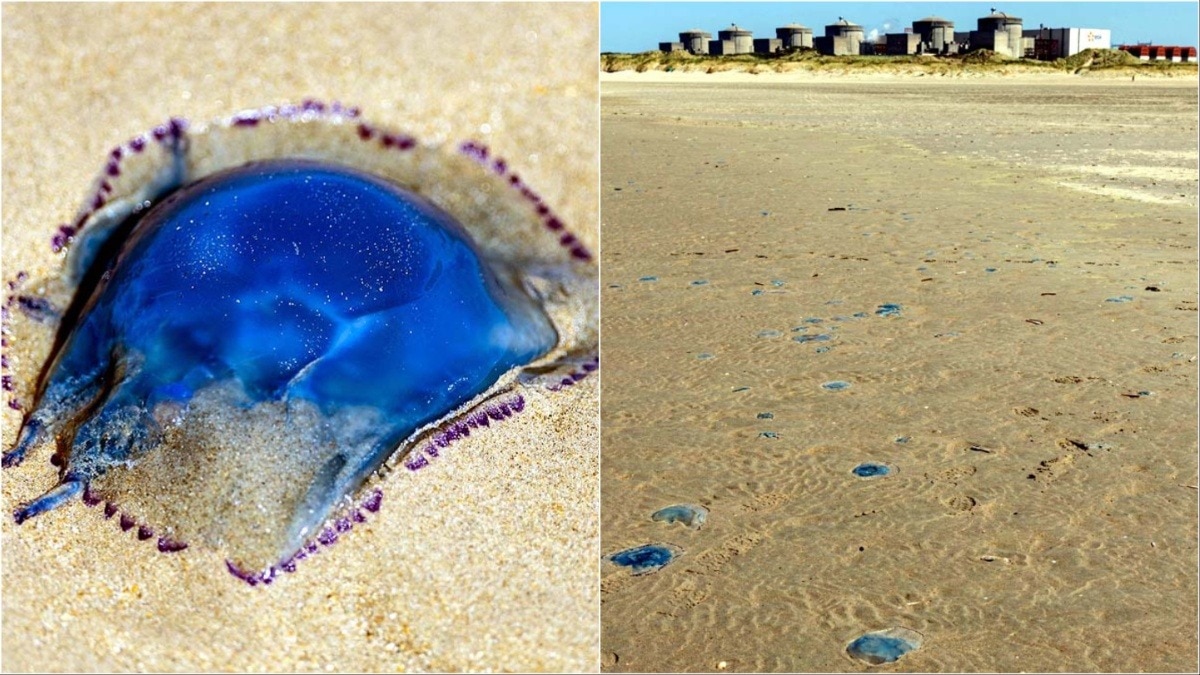
A massive swarm of jellyfish has invaded the water intake systems of France's Graverlines nuclear plant, forcing the emergency shutdown of three reactors.
Key Takeaways
- Reactors 2, 3, and 4 at the Graverlines plant were shut down due to jellyfish interference.
- Reactor 1 is currently operating at a reduced capacity of 50% as a precaution.
- The jellyfish swarm poses a risk of clogging cooling water filters.
- EDF confirms there is no immediate threat to staff or the surrounding environment.
The Graverlines Nuclear Power Plant in northern France has encountered a biological crisis. A massive swarm of jellyfish has inundated the water intake channels, leading to the emergency shutdown of reactors 2, 3, and 4 late Monday night. The plant operator, EDF, confirmed that reactor 1 is being operated at 50% capacity to ensure safety.
Nuclear reactors require a continuous flow of seawater to maintain optimal operating temperatures. The Graverlines plant draws this water from a canal connected to the North Sea. When massive clusters of jellyfish enter these intake pipes, they risk clogging the filtration systems, which could lead to catastrophic cooling failures if not addressed immediately.
Why This Matters
BozokMedia analysis shows that this incident is a stark reminder of how environmental shifts can directly impact critical energy infrastructure. The proliferation of jellyfish is increasingly linked to rising ocean temperatures and the disruption of marine food webs, signaling a growing vulnerability for coastal industrial facilities worldwide.
The increasing frequency of jellyfish blooms is a direct consequence of warming oceans and ecological imbalance.
To combat the swarm, EDF has deployed fishing boats and vacuum trucks to clear the blockage. While the shutdown was unplanned, officials emphasized that it was a proactive safety measure rather than a response to a technical failure within the reactors themselves.
Historical Background
This is not an isolated incident for the Graverlines facility. Last year, a similar jellyfish invasion forced the entire plant into a complete shutdown. Following that event, the facility implemented enhanced monitoring systems, including high-definition cameras at water intake points, to detect and mitigate such biological threats more rapidly.
Frequently Asked Questions
1. Is there a risk of a nuclear meltdown?
No, the shutdown is a precautionary measure to prevent cooling issues; there is no threat of radiation leakage.
2. When will the reactors be back online?
EDF expects to restart the reactors once the cleaning operations are complete and the water intake systems are clear.