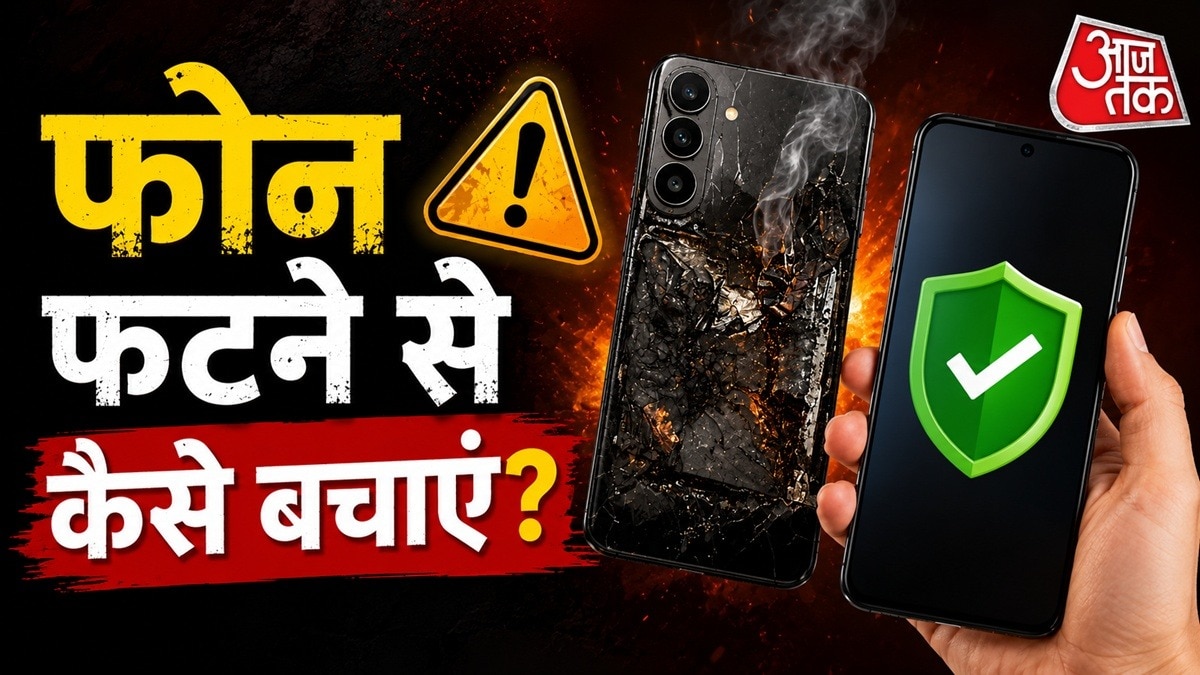
A 26‑year‑old man in Greater Noida suffered severe burns when his smartphone, kept in his trouser pocket, exploded at a railway station. Experts explain that lithium‑ion battery thermal runaway is the primary cause and outline simple steps to prevent such incidents.
Key Takeaways
- Smartphones can overheat
- Pocket‑stored phones pose burn risks
- Clear safety measures are available
Mohammed Majid, 26, from Danakaur, Greater Noida, reported that his newly purchased smartphone was in his trouser pocket when it suddenly heated, emitted a loud blast, and exploded. The explosion scorched both of his hands and the lower part of his torso, requiring immediate medical attention.
The incident was traced to a lithium‑ion battery undergoing thermal runaway – a condition where the battery’s temperature spikes, generating rapid gas expansion and pressure buildup. When the internal pressure exceeds the casing’s tolerance, the battery bursts, causing fire and injury.
Similar cases have risen worldwide: a 2022 Mumbai incident where a pocket‑held phone exploded, and a 2024 Delhi case of a device catching fire while charging on a table. These trends highlight the urgent need for better battery safety awareness.
Why This Matters
BozokMedia analysis shows that the growing demand for high‑performance smartphones without adequate ventilation increases thermal risk, especially in crowded public venues. Understanding these risks is crucial for both manufacturers and users.
"Proper battery management and temperature control are the most effective safeguards against explosions," says Dr. Anita Singh, battery technology specialist.
Frequently Asked Questions
What should I do if my phone explodes? Immediately remove the device from your pocket, place it on a cool surface, and seek medical help.
Do all smartphones have the same explosion risk? No, battery quality, charging habits, and usage patterns affect the likelihood of a failure.