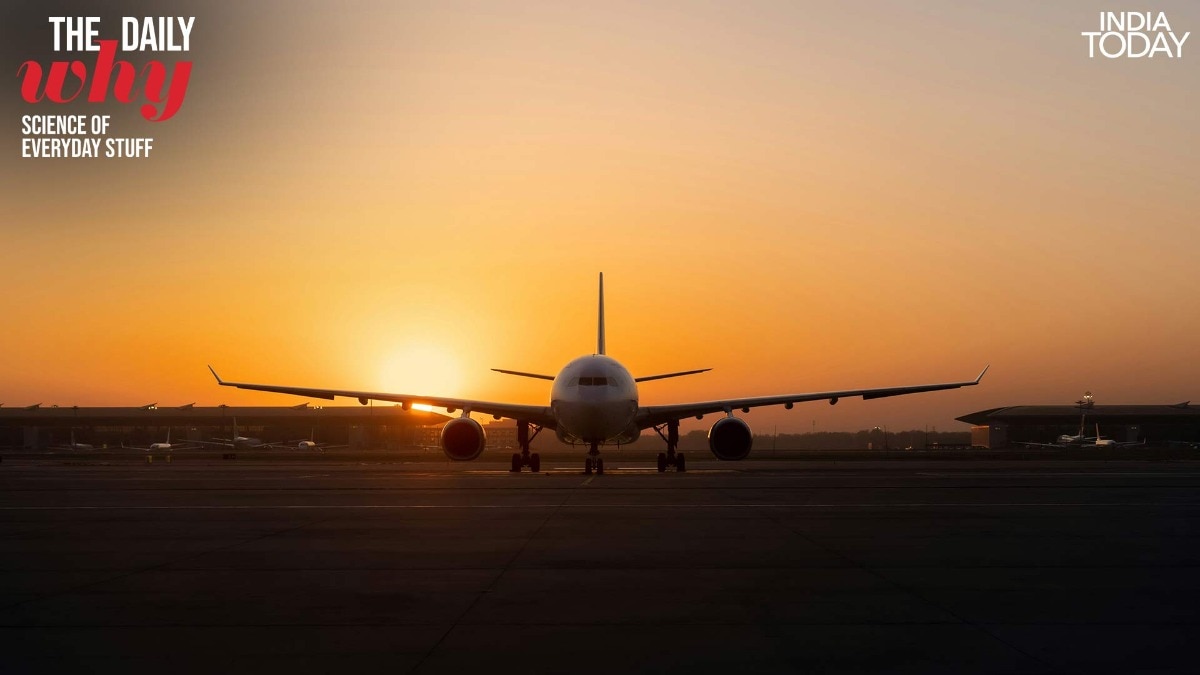
Aircraft cabins become scorching hot while on the tarmac, yet quickly cool once the plane ascends. This article explains the technical reasons behind the temperature swing and its impact on passenger comfort.
Key Takeaways
- Ground‑based air‑conditioning receives limited fresh air.
- Engine heat and solar radiation raise cabin temperature.
- High‑speed airflow at altitude rapidly reduces heat.
Root Causes of Ground Heat
During taxiing and gate hold, engines run at high thrust, generating substantial heat. The environmental control system (ECS) cannot draw enough outside air, causing the cabin temperature to climb sharply.
Cooling Mechanism in Flight
Once airborne, the aircraft’s speed creates a strong airstream that, combined with lower ambient temperatures at altitude, cools the cabin efficiently. Anti‑ice systems and pressurization also aid in temperature regulation.
Historical Background
Early propeller‑driven aircraft faced similar heating issues, but the advent of jet engines and larger HVAC units mitigated the problem. Nevertheless, heat remains a passenger concern in hot climates.
Why This Matters
BozokMedia analysis shows that passenger comfort directly impacts airline reputation and revenue. Understanding the thermal dynamics of aircraft helps carriers optimize HVAC systems, reduce fuel consumption, and improve on‑time performance.
"Effective cabin cooling starts with proper ground‑handling procedures and pre‑flight ventilation checks," says aviation engineer Dr. Arjun Mehta.
Frequently Asked Questions
Q1: Can passengers do anything to stay cool while waiting on the tarmac?
A: Using window shades, staying hydrated, and seeking portable fans at the gate can help.
Q2: Do airlines charge extra for cabin cooling services?
A: Most airlines provide basic cooling for free, though premium services may incur a fee.


