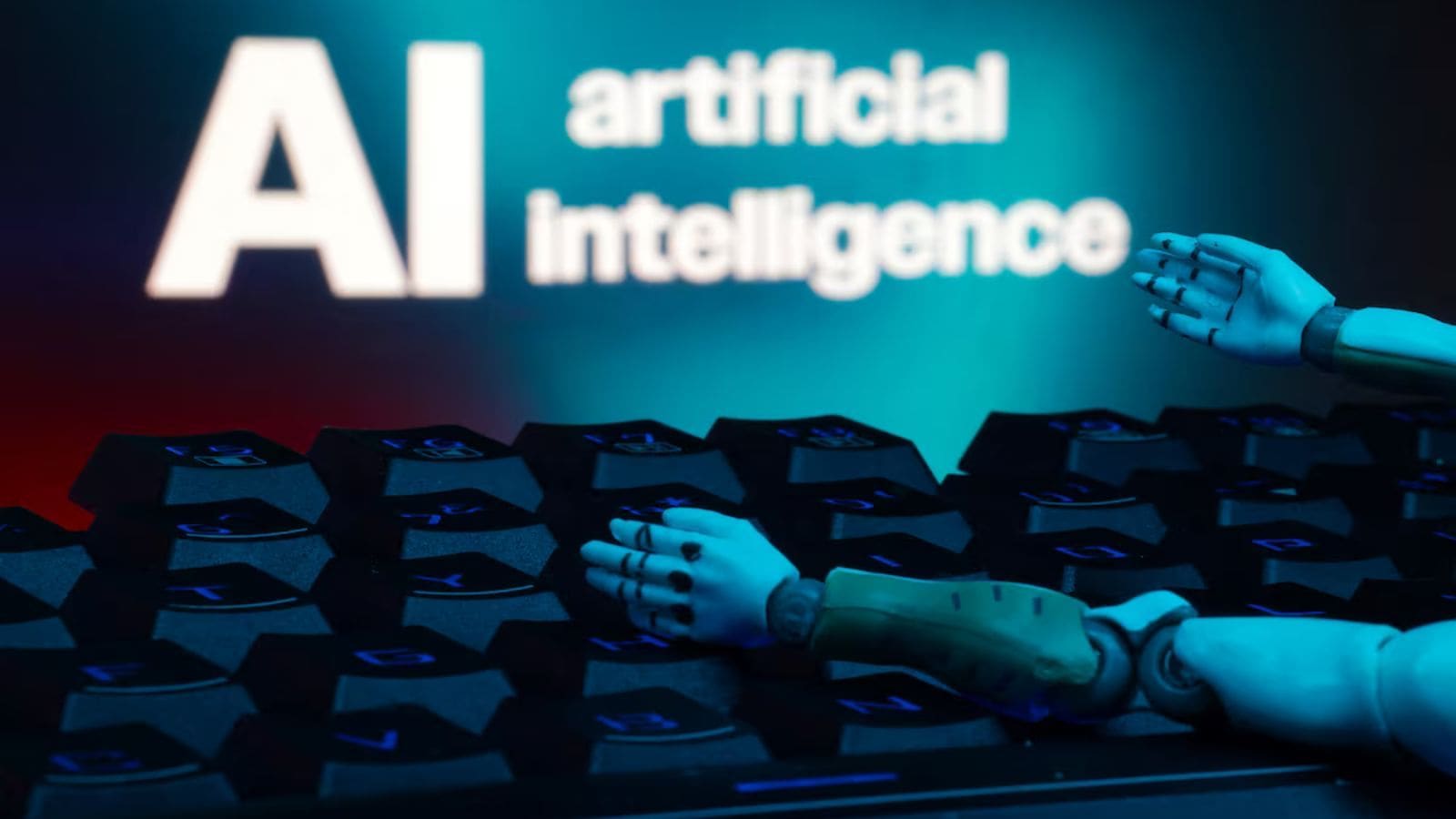
AI agents can now log in, watch lectures, take quizzes, and write papers on behalf of students, sparking an unprecedented wave of cheating in online education. This article examines the scale of the problem and potential safeguards.
Key Takeaways
- AI agents can fully automate course completion, quizzes, and assignments.
- Online education credibility faces a serious threat.
- Educators need new policies and technical defenses.
Introduction
Online learning has exploded across colleges and universities, but it has also opened the door for AI‑driven cheating. Students can now issue a simple command—"log in and complete my quiz"—and let an AI agent do the work.
How AI Agents Operate
These agents are trained to watch lecture videos, sit for exams, draft papers, and even chat with classmates about readings. In minutes, they can outsource an entire semester’s workload, depriving students of genuine learning.
Educators Sound the Alarm
Professors nationwide report a surge of AI‑generated submissions. veteran online instructor Karen Costa wondered, "Am I just interacting with bots here?" while Kimber Peters flagged essays that repeatedly used the pronoun "you"—a known AI hallmark.
Why This Matters
BozokMedia analysis shows that unchecked AI misuse can erode the credibility of online degrees, jeopardizing the very equity promise that digital education pledged to low‑income and non‑traditional learners.
"If AI agents are left unchecked, the fundamental value of education could be compromised," says Dr. Anjali Sharma, AI policy expert.
Frequently Asked Questions
Q1: Is AI‑generated plagiarism the biggest concern?
A: It is more than plagiarism—AI agents can complete entire courses, magnifying the cheating risk.
Q2: What steps should institutions take?
A: Implement robust AI‑detection tools, live proctoring, and clear policy guidelines.