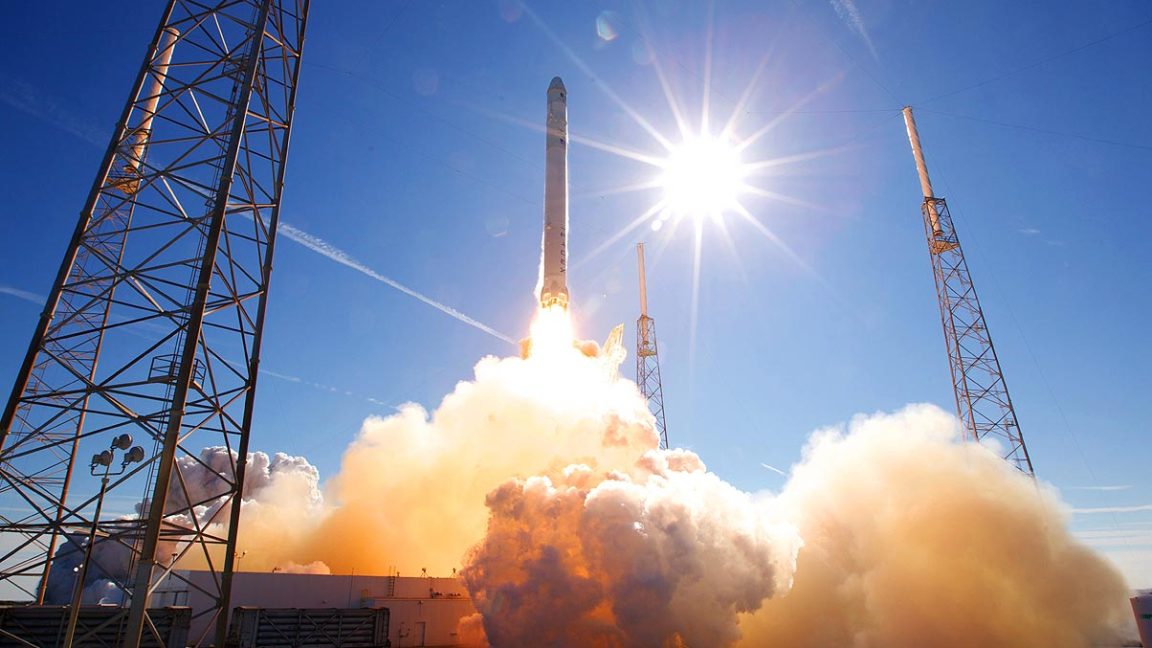
Despite a surge in orbital launches, a paradoxical shortage of available rocket slots is leaving satellite operators in a state of panic. The industry's over-reliance on a few key providers is creating a dangerous bottleneck.
- Orbital launches have tripled over the last decade, averaging 270 per year.
- A paradoxical 'launch crunch' is emerging despite increased frequency and lower costs.
- Over-dependence on specific launch vehicles like the Falcon series creates systemic risk.
The current state of the aerospace industry presents a baffling contradiction. On the surface, we are living through a golden era of space exploration. Over the last three years, the global average of orbital rockets launched from Earth has climbed to approximately 270 per year—a staggering three-fold increase compared to just a decade ago. Access to the cosmos has never been more rapid, and price competition has driven costs down to historic lows.
However, beneath these impressive statistics lies a growing anxiety among satellite operators. While there are more rockets flying than ever before, the actual availability of launch slots for commercial operators is tightening. This 'launch crunch' is creating a high-pressure environment where companies are struggling to secure guaranteed windows to get their hardware into orbit.
Why This Matters
BozokMedia analysis shows that the industry has fallen into a trap of efficiency. By optimizing for cost and frequency through a few dominant players, the ecosystem has sacrificed resilience. If a primary launch vehicle, such as the SpaceX Falcon series, were to face a systemic grounding or a catastrophic failure, the global satellite infrastructure—including GPS, telecommunications, and climate monitoring—would face an unprecedented standstill.
The concentration of launch capability in the hands of a few private entities means that a single regulatory hurdle or technical glitch could freeze the orbital economy. This creates a precarious dependency that threatens the long-term stability of global connectivity.
"The paradox of the modern space race is that we have more capacity than ever, yet less security in that capacity due to extreme centralization."
Historically, the launch industry was dominated by government agencies like NASA and Roscosmos, which provided a diversified, albeit slower, set of options. The shift toward commercial dominance has accelerated the pace of innovation but has simultaneously narrowed the variety of viable launch platforms available for immediate commercial use.
| Metric | Decade Ago | Current Era |
|---|---|---|
| Avg. Annual Launches | ~90 | ~270 |
| Cost per Kg | Very High | Competitive/Low |
| Availability Risk | Governmental Delay | Systemic Bottlenecks |
Frequently Asked Questions
Why is there a launch crunch if there are more rockets?
The increase in launches is driven largely by mega-constellations (like Starlink), which consume the majority of available slots, leaving fewer options for other commercial operators.
What happens if Falcon rockets stop flying?
It would create a massive backlog of satellites on Earth, as few other providers currently possess the scale and reliability to absorb the sudden surge in demand.

