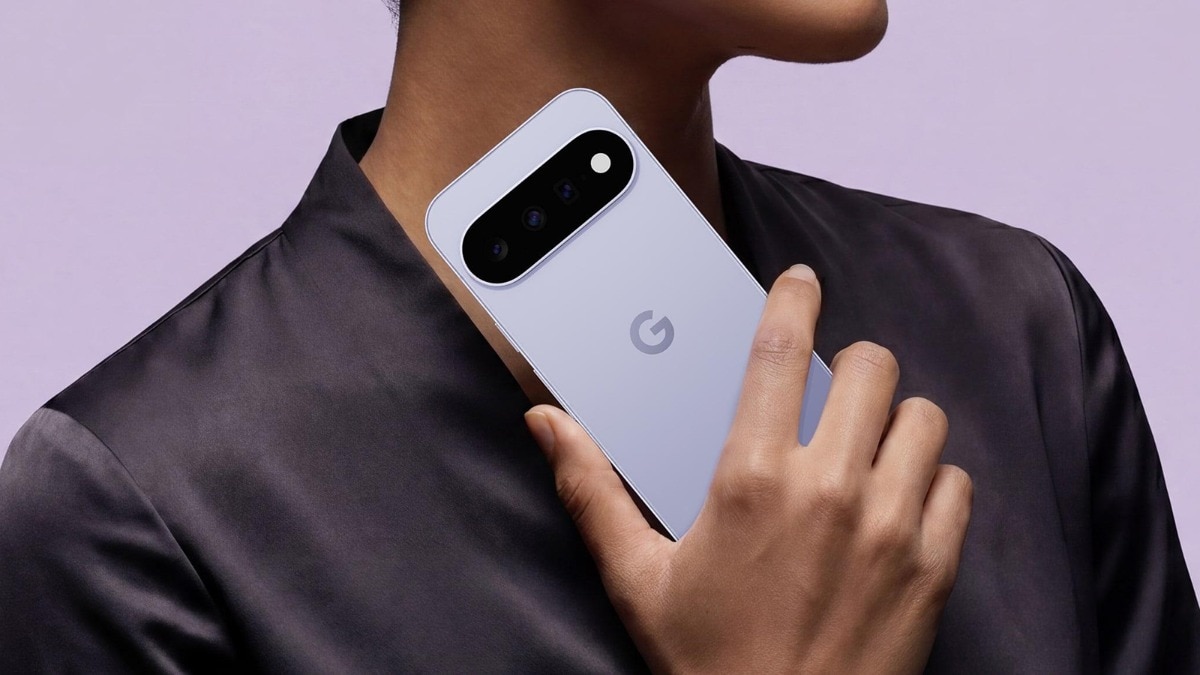
The Google Pixel 11 is more than just a 'Made by Google' device; it is an AI-first experiment. Discover who is buying this phone and how Google plans to disrupt the premium smartphone segment.
- Pixel 11 focuses heavily on Generative AI and seamless machine learning integration.
- The primary target audience includes tech enthusiasts, creators, and AI early adopters.
- Google aims to leverage the Tensor chipset to create a unique software-hardware synergy.
The Google Pixel 11 represents a strategic pivot for the tech giant. While competitors like Apple and Samsung focus on raw power and ecosystem lock-in, Google is positioning the Pixel 11 as the ultimate vessel for its AI ambitions. The question is no longer about the screen size or battery capacity, but about how the device thinks and anticipates user needs.
Historical Background
Since the inception of the Pixel line, Google has struggled to find a consistent identity. Early iterations were seen as 'developer phones,' often overlooked by the general public. However, the introduction of the custom Tensor silicon marked a turning point. The Pixel 11 is the culmination of this journey, moving away from off-the-shelf components to a bespoke architecture designed specifically for the Gemini AI era.
Why This Matters
BozokMedia analysis shows that Google is no longer content with being a niche player in the hardware space. By targeting the 'prosumer'—the bridge between a professional and a consumer—Google is attempting to steal market share from the iPhone. The Pixel 11 isn't just a phone; it's a physical manifestation of Google's cloud intelligence, making it an essential tool for those who live within the Google Workspace ecosystem.
"The Pixel 11 is not competing on hardware specs; it is competing on the quality of the intelligence it provides to the user in real-time."
Market data suggests that the primary buyers are those who prioritize computational photography and clean, bloatware-free software. The integration of advanced AI features for productivity—such as real-time transcription and smart scheduling—makes it a magnet for young professionals and digital nomads.
| Feature | Pixel 11 (Projected) | Competitor Flagships |
|---|---|---|
| AI Integration | Deep (Native Gemini) | Layered/App-based |
| Software Updates | Instant (Day 1) | Manufacturer Dependent |
| Camera Philosophy | Computational Mastery | Hardware/Optical Focus |
Frequently Asked Questions
1. Is the Pixel 11 worth buying for a non-tech user?
Yes, because the AI features are designed to simplify complex tasks, making the phone more intuitive for average users than traditional flagships.
2. How does the Pixel 11 differ from previous models?
The Pixel 11 shifts the focus from 'smart features' to 'proactive intelligence,' utilizing a more efficient Tensor chip for on-device AI processing.