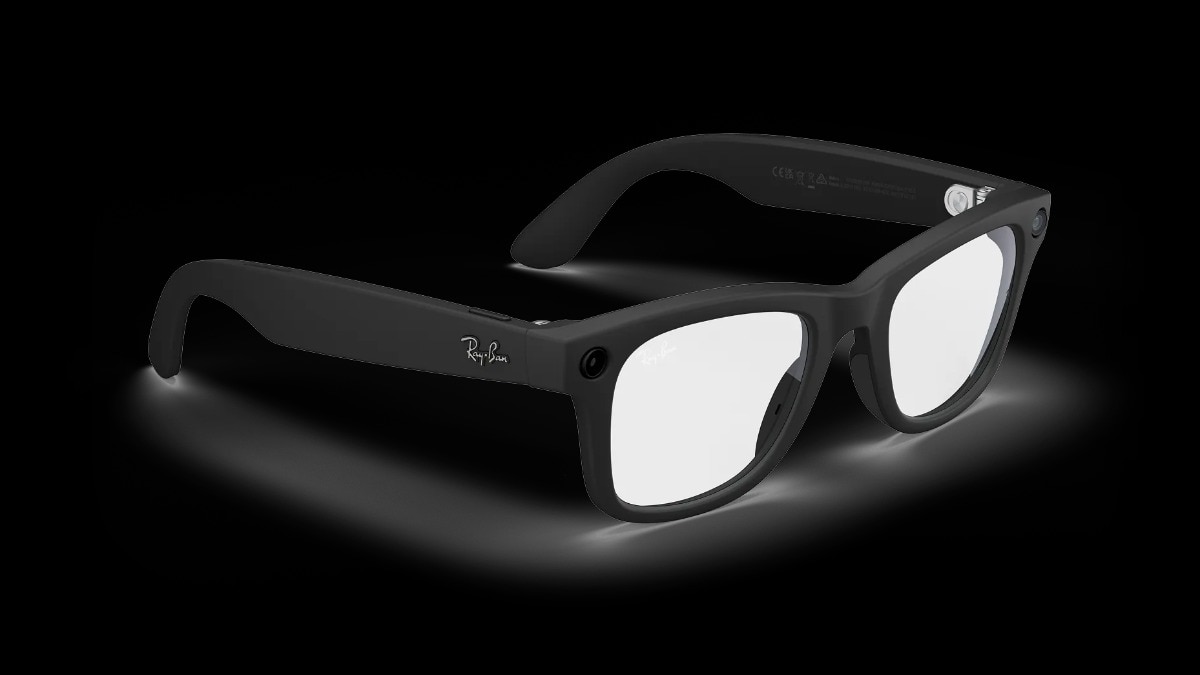
Meta is exploring a groundbreaking antenna architecture that moves wireless components to the lower frame of smart glasses, potentially revolutionizing wearable tech and night-vision gear.
- Meta proposes moving antennas from temples to the lower rim of the frame.
- The design aims to reduce component interference and improve signal quality.
- The patent covers consumer smart glasses, aviation, and night-vision goggles.
In a move that could redefine the landscape of wearable technology, Meta is reportedly developing a novel antenna architecture. A recently surfaced patent suggests that the company is looking for ways to integrate advanced wireless capabilities into smart glasses without sacrificing aesthetics or comfort.
A Shift in Hardware Architecture
Traditionally, smart glasses house their antennas within the temples—the arms of the glasses that rest near the wearer's ears. However, Meta's proposed design seeks to relocate these antennas to the lower rim of the frame, positioned underneath the lenses. This strategic shift aims to solve the perennial problem of spatial constraints in wearable devices.
By moving the antennas away from the temples, Meta can dedicate that space to other critical components like processors, sensors, and cameras, while keeping the overall frame slim and lightweight. This approach prevents the device from looking like a bulky computer strapped to the user's face.
Why This Matters
BozokMedia analysis shows that this design change is not merely aesthetic; it is a fundamental engineering solution. Placing antennas in the lower frame helps minimize electromagnetic interference between the radio components and other sensitive sensors like depth cameras or IMUs. Furthermore, separating the antennas and optimizing their electrical connections can significantly enhance wireless performance in MIMO (Multiple-Input Multiple-Output) setups, allowing for faster data transfer and lower power consumption.
Meta's patent indicates a strategic pivot from simple consumer accessories toward high-performance, mission-critical wearable hardware.
Expanding Horizons: From Consumers to Professionals
What sets this patent apart is its broad application. Meta is not just targeting the casual consumer who wears Ray-Ban style smart glasses. The documentation specifically mentions night-vision goggles and aviation goggles. This inclusion suggests that Meta's vision for wireless wearable technology extends into professional and potentially specialized sectors.
While a patent is not a guarantee of a commercial product, the inclusion of such high-stakes equipment highlights the robustness of the proposed antenna architecture. It demonstrates that Meta is designing for a future where augmented reality and enhanced vision are seamless, high-performance realities.
Frequently Asked Questions
1. Will this make smart glasses look bulkier?
On the contrary, the goal is to make them more compact and stylish by distributing hardware more efficiently across the frame.
2. Does this mean Meta is entering the military market?
Not necessarily. The mention of night-vision goggles in a patent is often used to demonstrate the versatility and technical capability of a design.