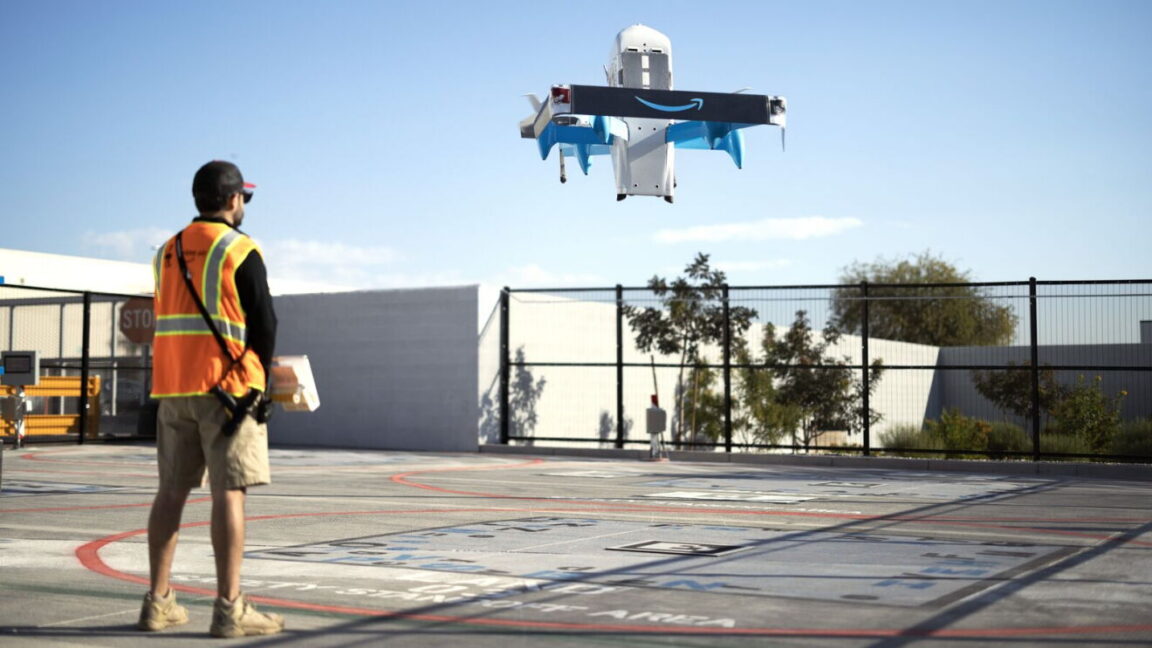
The Aerospace X1 has made history by completing its first successful flight, setting a new benchmark for the world's largest electric aircraft with incredibly low operating costs.
- Aerospace X1 has emerged as the largest electric aircraft in the world.
- The estimated flight cost is a mere 480 Rupees, significantly lower than conventional jets.
- This marks a massive leap toward zero-emission sustainable aviation.
A new era in aviation has officially dawned. The Aerospace X1 has successfully completed its historic maiden flight, establishing itself as the largest electric aircraft ever built. This achievement is not just a feat of engineering brilliance but a profound signal toward the future of sustainable global travel.
The most staggering aspect of this aircraft is its unprecedented cost efficiency. While traditional jet engines require massive amounts of expensive fossil fuels, the operational cost for the Aerospace X1 is estimated at just 480 Rupees. This drastic reduction is made possible through advanced electric propulsion systems and cutting-edge battery density technology.
Technological Superiority and Environmental Impact
The Aerospace X1 has been meticulously engineered to minimize carbon footprints. Being entirely electric-powered, the aircraft emits zero greenhouse gases during flight. This technology represents a lifeline for airlines striving to meet stringent global net-zero emission targets and combat climate change.
The rise of electric aviation has the potential to completely overhaul both the economic and environmental frameworks of the global aviation industry.
Why This Matters
BozokMedia analysis shows that the successful testing of the Aerospace X1 is more than just a technical milestone; it is a market disruptor. If scaled effectively, this technology will make air travel significantly more affordable and environmentally responsible, democratizing flight for a wider population.
Historical Background
For decades, the aviation industry has been heavily reliant on fossil fuels, contributing significantly to global emissions. However, mounting environmental pressures have pushed engineers to seek alternatives. The Aerospace X1 is the culmination of years of research into high-capacity energy storage and efficient electric motor integration.
Frequently Asked Questions
Question 1: Is the Aerospace X1 ready for commercial passenger service?
Answer: It is currently in the advanced testing phase, with commercial rollout expected following further safety certifications.
Question 2: Can electric planes handle long-haul international flights?
Answer: Current models are optimized for regional and medium-range routes, though battery technology is evolving rapidly for longer distances.