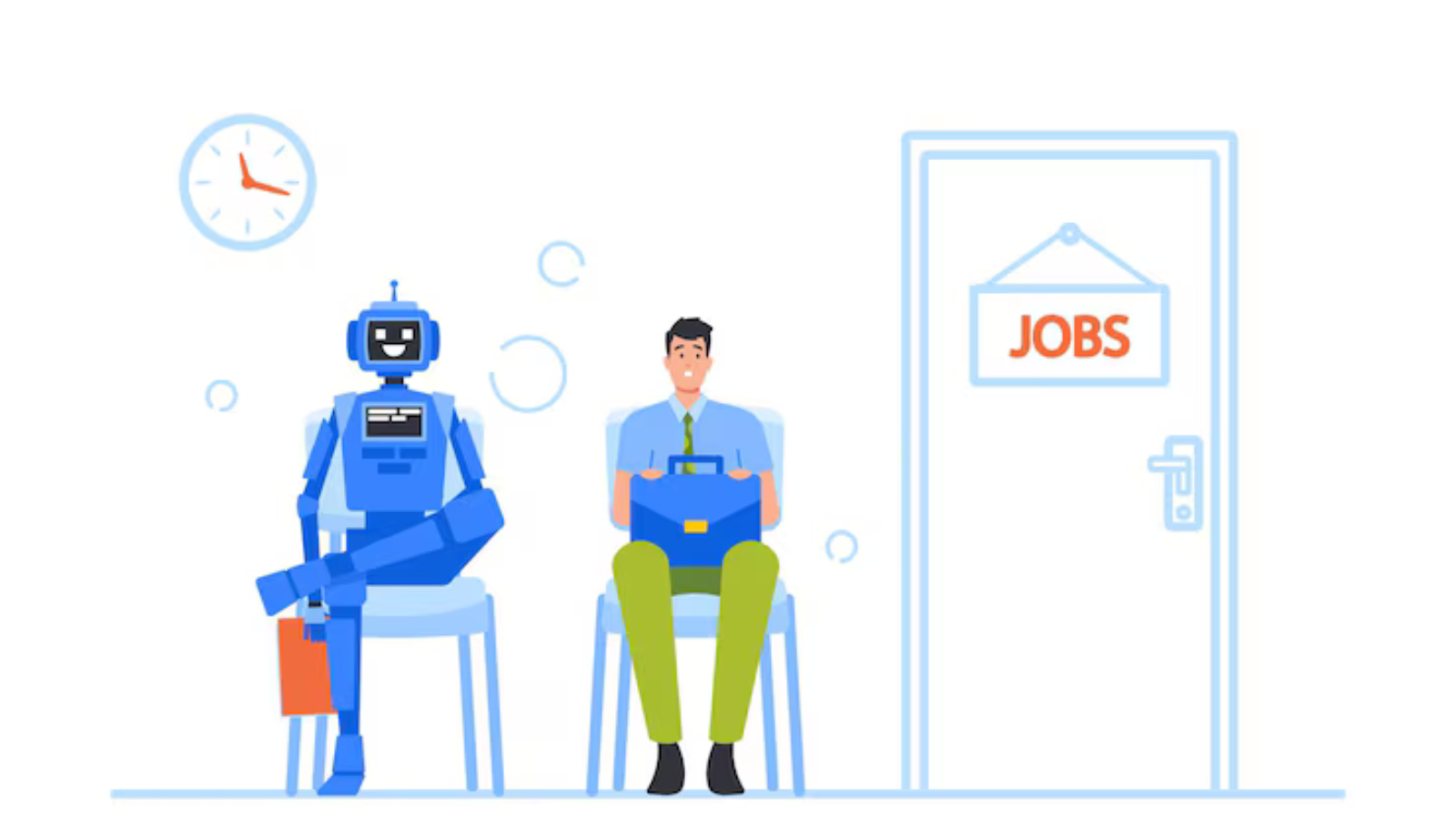
A new Pew Research Center survey reveals a significant shift in sentiment, with a majority of adults under 30 in the US expressing more concern than excitement regarding the rise of Artificial Intelligence.
- 55% of adults under 30 feel more concerned than excited about AI.
- 73% of young adults believe AI will reduce job opportunities.
- Tech giants have invested over $1 trillion in AI infrastructure in just three years.
There is a growing disconnect between the aggressive expansion of tech giants and the public's perception of Artificial Intelligence. According to the latest report from the Pew Research Center, the initial wave of AI optimism is being replaced by widespread anxiety, particularly among the younger generation.
The survey, conducted among US adults, highlights a sharp trend: 55% of respondents under the age of 30 reported feeling "more concerned" than "excited" about AI. This marks a significant jump from just two years ago, when only 39% shared this sentiment. This growing unease is mirrored across all demographics, with 52% of the total US adult population expressing concern.
Why This Matters
BozokMedia analysis shows that this shift is not merely psychological but deeply economic. The anxiety is rooted in the tangible fear of displacement in a rapidly evolving labor market where traditional roles are being automated.
The widening gap between AI development and social readiness poses a significant risk to global economic stability.
The most alarming statistic concerns the future of employment. A staggering 71% of respondents believe AI will lead to fewer job opportunities over the next two decades. Among those under 30, this figure climbs to 73%, indicating that the very generation poised to enter the workforce views AI as a primary threat to their livelihoods.
The Economic Paradox: Investment vs. Uncertainty
While public sentiment cools, corporate investment is heating up. Industry leaders like Nvidia, Google, Meta, Amazon, and Microsoft have collectively poured more than $1 trillion into AI projects and infrastructure over the last three years. This massive influx of capital has driven Nvidia's market value up fivefold, yet it raises questions about the sustainability of a "circular financing" model within the AI ecosystem.
Furthermore, the labor market is undergoing a radical transformation. While traditional degrees like BA and MA are losing relevance, the demand for specialized AI engineers is skyrocketing. Data from LinkedIn suggests that AI job postings in the US have nearly doubled since 2023, with compensation packages often reaching $177,000—more than double the average for non-AI roles.
Frequently Asked Questions
1. How has sentiment toward AI changed since 2021?
Concern has increased significantly; in 2021, only 37% of adults felt more concerned, compared to 52% today.
2. Which age group is most concerned about AI?
While concern is widespread, the most acute anxiety regarding job loss is found among adults under 30.