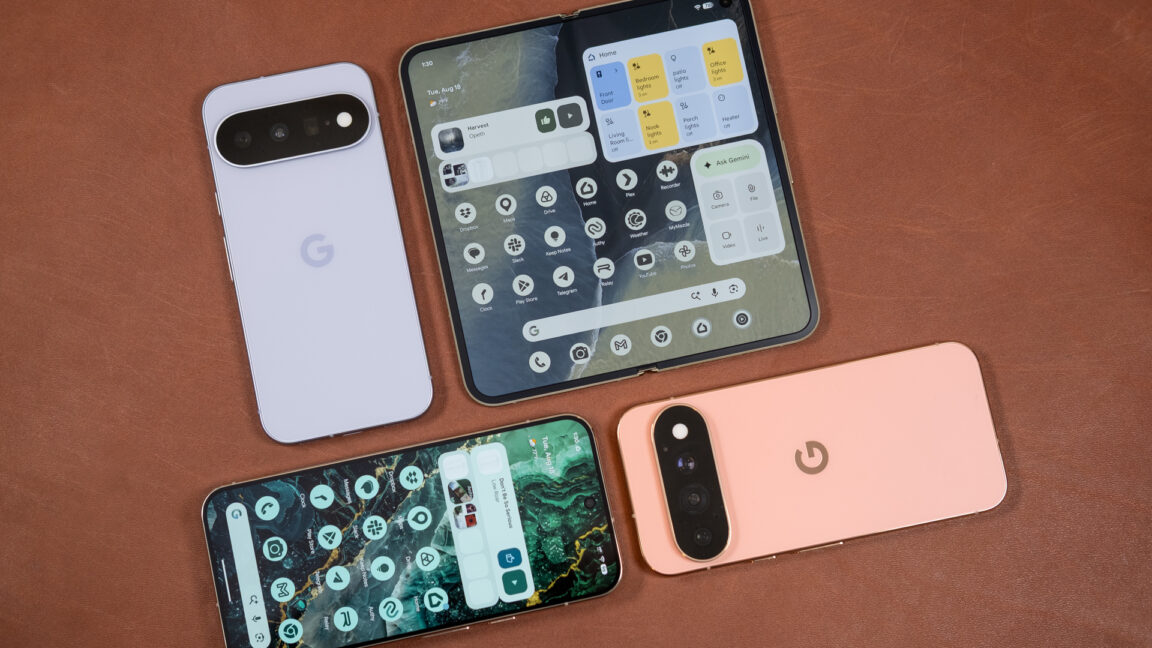
Google's new Pixel 11 series offers refined software and stunning displays but suffers from hardware stagnation and rising prices. Is the innovation drying up?
- The Pixel 11 series features polished software and sleek designs but lacks significant hardware evolution.
- Prices continue to rise even as hardware regresses in certain key areas.
- Google faces a dual challenge: competing with Apple/Samsung and its own legacy devices.
Google's strategy for smartphone manufacturing has undergone a massive transformation. It began with the Nexus era, targeting developers and tech enthusiasts in a crowded market. Today, with fewer competitors, Google's hyper-polished Pixel lineup is enjoying higher sales and less direct pressure. This raises a critical question: is Google settling for incremental updates instead of true innovation?
The new Pixel 11 series is undoubtedly Google's most refined collection to date, boasting sleek aesthetics, intelligent software, and industry-leading screens. However, there is a growing sentiment that these devices have become somewhat uninspiring. Google has made minimal hardware adjustments for its 2026 lineup, focusing on shaving off mere millimeters and grams.
Design Evolution or Stagnation?
The design language has remained largely unchanged for three consecutive generations, even as the price tag continues to climb. In fact, in certain specific hardware aspects, the Pixel 11 actually shows signs of regression compared to its predecessors. Much like the Pixel 10 series, the 2026 lineup consists of three flat models and one foldable, maintaining the familiar aluminum and glass sandwich construction.
| Feature | Pixel 10 Series | Pixel 11 Series |
|---|---|---|
| Design Philosophy | Modern/Sleek | Iterative/Minimal Change |
| Price Trend | Competitive Premium | Increasingly High |
| Software Integration | High | Ultra-Refined |
Why This Matters
BozokMedia analysis shows that Google is no longer just competing against industry titans like Apple and Samsung. The real battle is against the expectations set by the Pixels of yesteryear. If the hardware doesn't evolve alongside the software, the brand risks losing its edge in the premium segment.
Google is pivoting from being a hardware disruptor to a software perfectionist, which may alienate hardware enthusiasts.
While the Pixel 11 phones are among the best devices of 2026, they lack the 'wow factor' that once defined the brand's entry into the market.
Historical Background
Google's journey from the experimental Nexus phones to the consumer-centric Pixel series represents a shift from niche utility to mainstream luxury. This evolution has allowed Google to build a robust ecosystem around its proprietary AI and software features.
Frequently Asked Questions
Question 1: Are there any major hardware upgrades in the Pixel 11?
Answer: No, the hardware changes are extremely incremental, focusing more on weight and thickness rather than new technology.
Question 2: Is the Pixel 11 worth the price hike?
Answer: It depends on whether you value software refinement and screen quality over hardware innovation.