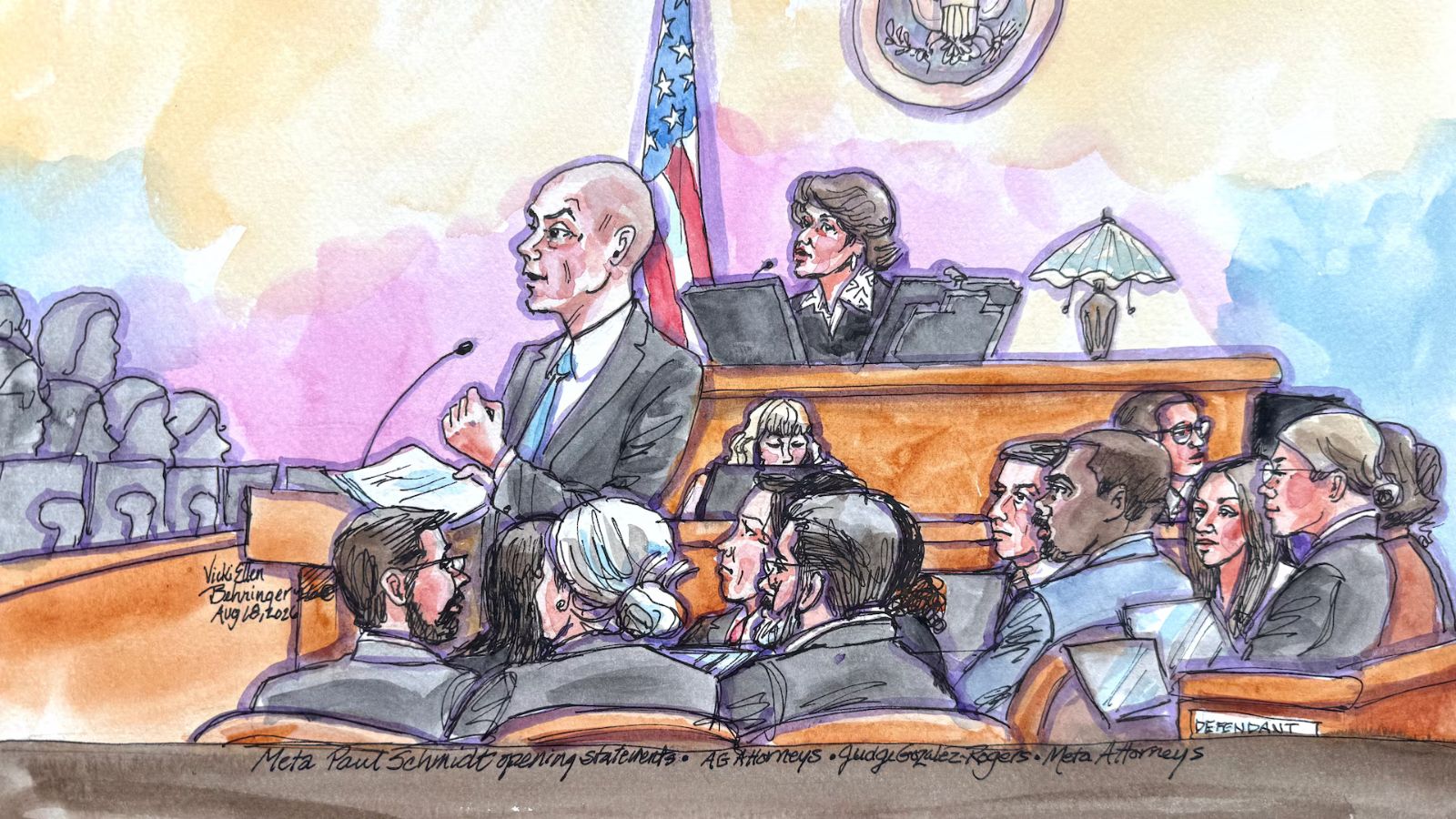
Meta is fighting a landmark legal battle against 29 US states accusing the company of designing addictive features to exploit minors. The company has denied all claims of intentional harm.
- 29 US states are suing Meta over child safety concerns.
- Allegations include designing addictive algorithms and mishandling minor data.
- Meta denies any intentional effort to cause harm or addiction.
- Potential penalties could reach up to $1.4 trillion.
Meta Platforms has officially rejected accusations brought by a bipartisan group of 29 US states, which claim the company intentionally engineered Facebook and Instagram to be addictive for children and teenagers. The trial, currently underway in an Oakland, California, federal court, marks one of the most significant legal challenges to the social media industry's business model to date.
Lead states, including California, Colorado, Kentucky, and New Jersey, argue that Meta's platforms have fueled a mental health crisis among youth, contributing to increased rates of anxiety, depression, and suicide. Furthermore, the states allege that Meta misled the public regarding its safety measures while improperly harvesting the personal data of minors.
Why This Matters
BozokMedia analysis shows that the outcome of this trial could fundamentally alter the digital landscape. If Meta is found liable, it could lead to mandatory changes in how social media algorithms function, potentially ending features like 'infinite scroll' and 'likes' for younger users globally.
"Meta’s business model was to hook the users, hold them for as long as they can, harvest their data, and then hide the truth from the public," stated Megan O’Neill, Deputy Attorney General for California.
In defense, Meta attorney Paul Schmidt argued that while social media struggles exist, there is no definitive scientific link between adolescent use and a decline in well-being. He emphasized that Mark Zuckerberg and the company are dedicated to improving user experience rather than creating danger, suggesting that users would naturally leave if the service were truly harmful.
The testimony of former Meta safety engineer Arturo Bejar has added significant weight to the prosecution's case. Bejar testified that the company's 'move fast and break things' culture often bypassed safety considerations during the deployment of features like Reels. He claimed that Meta was aware its child safety tools were insufficient but failed to act effectively.
| Feature/Issue | States' Allegation | Meta's Defense |
|---|---|---|
| User Engagement | Designed to be addictive | Natural user interest |
| Mental Health | Causes anxiety/depression | No clear scientific link |
| Data Privacy | Improperly collected minors' data | Compliance with regulations |
Frequently Asked Questions
1. What specific features are the states targeting?
The states are seeking to eliminate features like the 'infinite scroll' and 'likes' to prevent addictive behavior in minors.
2. Who else is facing similar lawsuits?
Meta is not alone; companies like TikTok (ByteDance), Snap, and YouTube (Alphabet) are also facing numerous lawsuits regarding teen safety.