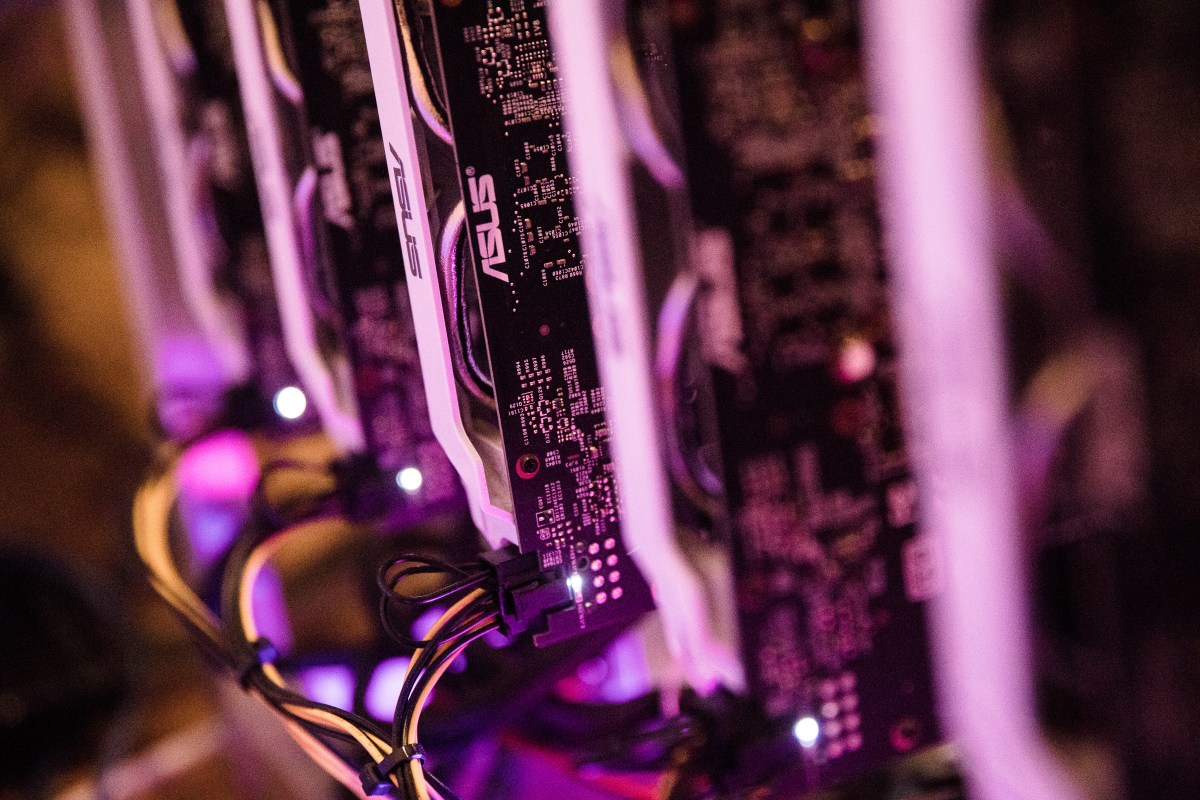
Silicon Data has secured $30 million in Series A funding to establish a reference price for GPU rentals and launch compute futures trading on the CME.
- Silicon Data raised $30 million in Series A funding.
- The startup aims to create a reference price for GPU rental.
- Plans are underway to launch compute futures on the CME.
- The move addresses the lack of hedging tools for AI compute costs.
The global AI buildout shows no signs of slowing down. With hundreds of billions of dollars flowing annually into data centers and GPUs, compute has emerged as the single largest cost for any organization developing AI products. Despite this massive expenditure, the industry has lacked a straightforward method to price compute or hedge against price volatility.
Silicon Data is stepping in to bridge this gap. The startup recently closed a $30 million Series A funding round aimed at transforming how the financial world interacts with computing power. The company intends to become the industry's reference price for GPU rental and develop an index that Wall Street futures contracts can settle against.
Why This Matters
BozokMedia analysis shows that as AI transitions from a speculative technology to a core industrial utility, the need for standardized pricing becomes critical. Just as the energy sector relies on futures markets to manage oil price volatility, the AI sector requires a mechanism to manage the fluctuating costs of high-end silicon and data center capacity. This could stabilize margins for AI developers globally.
Silicon Data is effectively turning computing power into a tradable commodity, much like oil or gold.
Pending regulatory approval, the company plans to launch its compute futures trading on the CME (Chicago Mercantile Exchange) on October 5th. This move could fundamentally change how institutional investors approach the AI infrastructure space.
Historical Background
The surge in AI demand, driven by Large Language Models (LLMs), has created a massive bottleneck in hardware availability. This scarcity has led to unpredictable pricing models for GPU access, making long-term financial planning difficult for software companies. The emergence of specialized financial instruments is the natural evolution of this hardware-driven economy.
Frequently Asked Questions
1. What is the main problem Silicon Data is solving?
It provides a standardized way to price and hedge the cost of GPU and AI computing power.
2. When will the futures trading begin?
The company aims to launch on the CME on October 5th, subject to regulatory approval.


