Rising costs of memory chips driven by the AI boom and ongoing supply chain issues could prevent significant discounts on smartphones during the upcoming festive sales.
- High-bandwidth memory demand for AI data centers is driving up component costs.
- Chip shortages and rising manufacturing expenses are putting upward pressure on smartphone pricing.
- India is witnessing a 'premiumization' trend where expensive and foldable phones are seeing higher demand.
For years, the festive season has been synonymous with massive discounts and the perfect time to upgrade to a new smartphone. However, for the 2026 festive season, shoppers might face a different reality. Instead of the expected price drops, consumers could encounter even higher price tags on many popular models.
The AI Factor: Why Technology is Getting More Expensive
The primary driver behind this unexpected trend is the rapid expansion of Artificial Intelligence (AI). As tech giants race to build massive AI data centers, the demand for high-bandwidth memory and advanced semiconductors has skyrocketed. Manufacturers are prioritizing the production of components required for AI infrastructure, which directly impacts the availability and cost of parts used in consumer smartphones.
Furthermore, the rising cost of memory chips, combined with a weakening currency and supply chain instabilities, has left manufacturers with little room to offer deep discounts. According to IDC, the average smartphone price in India has already seen a significant rise, reaching approximately $315.
Why This Matters
BozokMedia analysis shows that the global smartphone market is undergoing a structural shift known as 'premiumization.' While total unit sales in certain regions like India have seen a slight decline, the sales of high-end devices—specifically those priced above $600 (₹50,000)—are surging. Consumers are increasingly willing to pay more for devices that offer superior AI capabilities and premium build quality.
The surge in AI-driven memory demand is fundamentally reshaping the cost structure of the entire mobile industry.
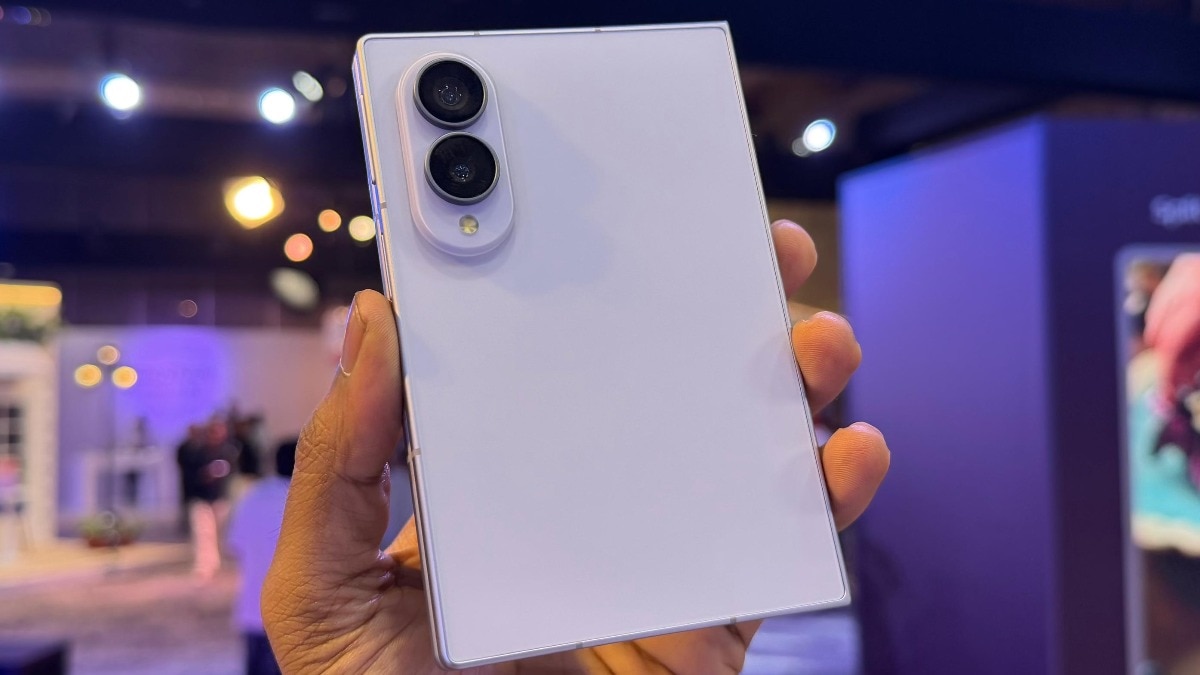
This trend is particularly evident in the foldable smartphone segment. Devices like the Samsung Galaxy Z Fold8 utilize specialized flexible displays, intricate hinge mechanisms, and high-performance processors. These components are highly sensitive to price fluctuations in the semiconductor market, making foldables the most vulnerable to price hikes.
Comparison: Standard vs. Foldable Smartphones
| Feature | Standard Smartphone | Foldable Smartphone |
|---|---|---|
| Display Tech | Standard OLED/LCD | Flexible AMOLED |
| Component Cost | Moderate | Extremely High |
| AI Integration | Standard | Advanced/High-End |
| Market Growth | Stable/Declining | Rapidly Increasing |
Market research suggests that while the overall market may feel the pinch, the super-premium segment is thriving. In India, sales of phones priced above ₹50,000 grew by a staggering 72% in the second quarter of 2026, despite a dip in total market volume.
Frequently Asked Questions
1. Should I wait for the festive sale to buy a phone?
It depends on your budget. While bank offers and exchange deals will exist, the base retail price may be higher than previous years due to increased manufacturing costs.
2. How does AI affect my phone's price?
AI requires more powerful processors and much faster, more expensive memory chips, which increases the overall cost of building the device.