China has successfully recovered the first stage of its Zuke-3 rocket, marking a massive leap in reusable space transportation technology and intensifying the space race with the US.
- China successfully landed the first stage of the Zuke-3 Y2 rocket on land.
- The mission successfully deployed the Hanghu-03 satellite into orbit.
- This technology significantly reduces launch costs and increases flight frequency.
- The rocket utilizes advanced liquid oxygen-methane fuel for high efficiency.
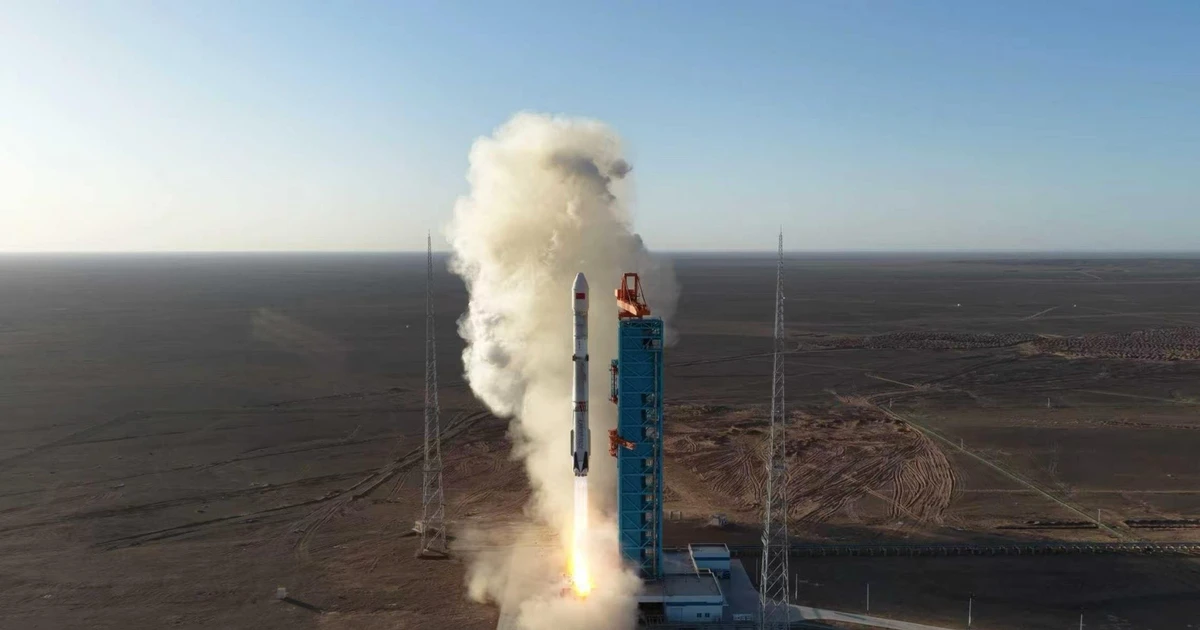
In a landmark achievement for its aerospace ambitions, China has successfully recovered the first stage of a ground-based reusable rocket for the first time. On the morning of August 19, the Zuke-3 Y2 rocket was launched from the Dongfeng Commercial Space Innovation Pilot Zone in Inner Mongolia. The mission was a dual success: the Hanghu-03 satellite was successfully placed into its intended orbit, and the booster stage performed a controlled vertical landing at a designated site in Minqin County, Gansu Province.
Overcoming Previous Technical Hurdles
This success follows a significant setback in December 2025, when the Zuke-3 Y1 variant successfully reached orbit but failed its recovery attempt. The successful landing of the Y2 model demonstrates that Landspace, the commercial aerospace company behind the development, has successfully addressed the complex guidance and landing challenges. The rocket utilizes liquid oxygen-methane propellant, a fuel choice that is increasingly becoming the industry standard for next-generation reusable launch vehicles due to its performance and ease of handling.
Why This Matters
BozokMedia analysis shows that this development is not merely a technical feat but a strategic pivot in the global space economy. Reusability is the key to dominating the burgeoning satellite internet market. By lowering the cost per kilogram to orbit, China is positioning itself to deploy massive satellite constellations in Low Earth Orbit (LEO) at a pace that rivals or even exceeds current Western capabilities.
China's ability to master vertical landing technology signals its intent to transition from a participant in the space race to a dominant provider of space logistics.
The technical specifications of the Zuke-3 are impressive. The rocket features a diameter of 4.5 meters and a total length of 66.1 meters. It is powered by nine Tianke-12A liquid-fuel oxygen-methane engines. To ensure a precise touchdown, the vehicle is equipped with an advanced lattice control system, sophisticated guidance mechanisms, and robust landing legs.
A Dual-Track Recovery Strategy
China appears to be pursuing a versatile recovery strategy. While the Zuke-3 demonstrates land-based recovery, China also recently achieved success with sea-based recovery using the Long March-10B rocket in July. This dual capability allows China to optimize mission profiles based on orbital inclinations and landing site availability, providing a significant operational advantage in the competitive global launch market.
Frequently Asked Questions
1. What makes the Zuke-3 rocket different from traditional rockets?
Unlike traditional disposable rockets, the Zuke-3 is designed to land its first stage back on Earth, allowing it to be inspected, refurbished, and flown again, drastically cutting costs.
2. How does this affect the space race with the United States?
It narrows the technological gap between China and US companies like SpaceX, making China a much more formidable competitor in the commercial satellite launch sector.