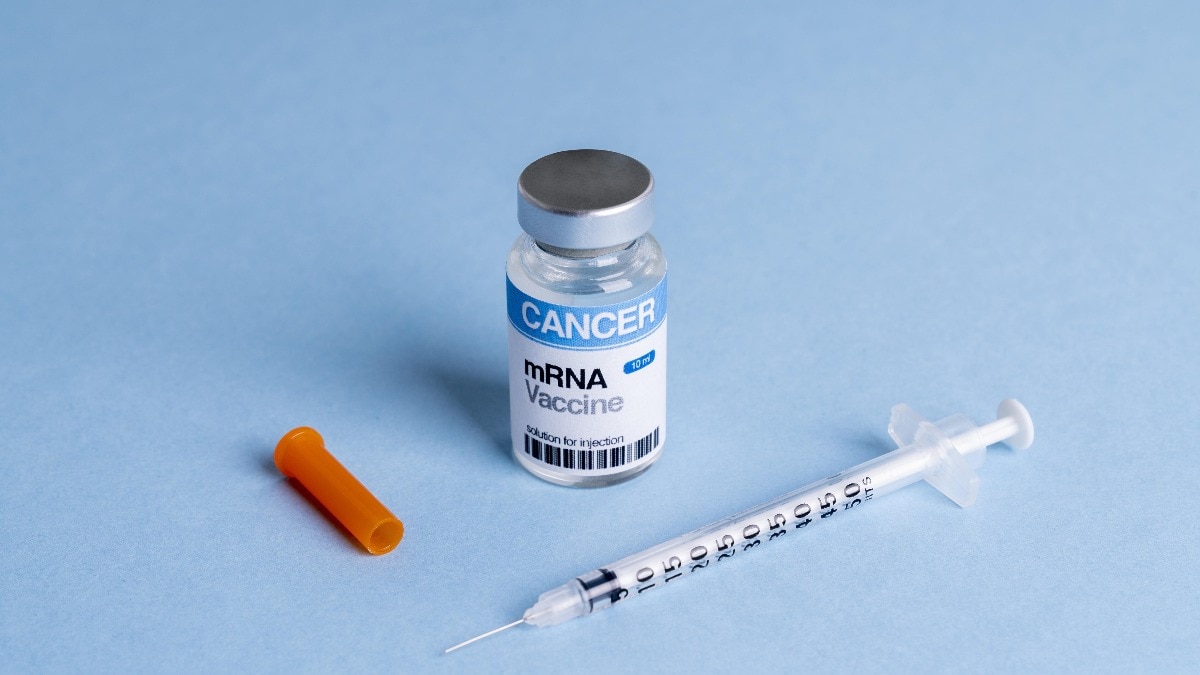
Discover the cutting-edge science behind Moderna's cancer vaccine. Learn how mRNA technology is being harnessed to train the immune system to identify and destroy deadly tumor cells.
- Moderna utilizes mRNA technology to instruct the immune system to recognize cancer-specific antigens.
- The vaccine functions via a 'search and destroy' mechanism targeting unique tumor proteins.
- This represents a shift toward highly personalized cancer immunotherapy.
A paradigm shift is occurring in oncology. Moderna is at the forefront of a medical revolution with its cancer vaccine, a technology designed not just to treat, but to teach the human body how to fight back against malignancy. Unlike traditional treatments that attack all rapidly dividing cells, this vaccine is engineered for precision.
The core of this breakthrough lies in mRNA (messenger RNA) technology. By leveraging the same platform that revolutionized COVID-19 prevention, scientists are now programming cells to produce specific proteins that act as 'flags' for the immune system. These flags are unique to the patient's specific tumor, allowing for an unprecedented level of accuracy.
The Biological Mechanism
When the vaccine is administered, it delivers genetic instructions to the body's cells. These instructions tell the cells to manufacture certain tumor-associated antigens. Once these antigens are produced, the body's T-cells are activated. These specialized immune cells then circulate through the body, scanning for any cell that displays these specific markers, effectively hunting down and neutralizing cancer cells.
The future of oncology lies in precision strikes, where we can eliminate disease without collateral damage to healthy tissue.
Why This Matters
BozokMedia analysis shows that this approach could fundamentally change the prognosis for patients with advanced-stage cancers. By moving away from the 'scorched earth' policy of chemotherapy and toward targeted immunotherapy, we can significantly improve quality of life while increasing survival rates through personalized medicine.
Historical Background
For decades, cancer treatment has relied heavily on surgery, radiation, and chemotherapy. While these methods have saved millions, they often come with debilitating side effects due to their lack of specificity. The transition from broad-spectrum treatments to molecularly targeted mRNA therapies marks the beginning of a new era in biotechnology.
Frequently Asked Questions
1. Is this vaccine available for all types of cancer?
Clinical trials are currently focused on specific types, including melanoma and non-small cell lung cancer.
2. How does it differ from traditional chemotherapy?
Chemotherapy kills all fast-growing cells, whereas this vaccine specifically targets cells displaying tumor markers.