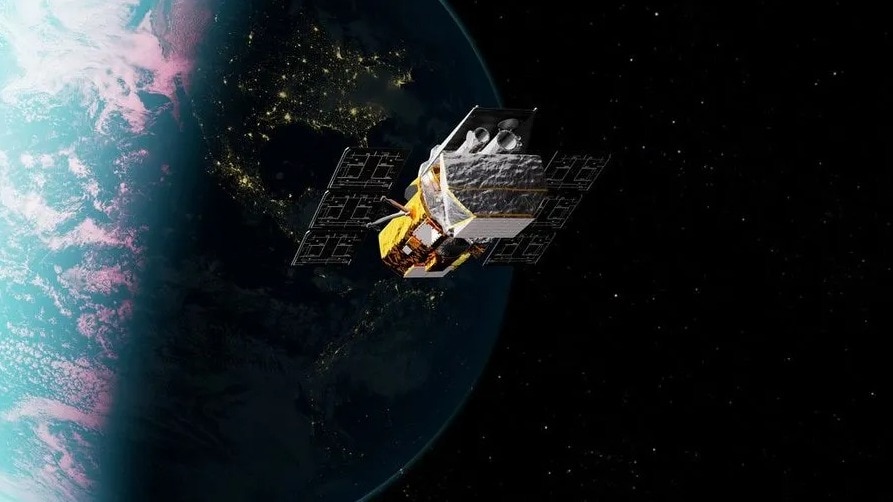
NASA has officially abandoned the mission to save the aging Swift Observatory after the 'Link' rescue spacecraft suffered critical control failures. The telescope remains at risk of burning up in Earth's atmosphere.
In a significant setback for space servicing technology, NASA and Katalyst Space have announced the cancellation of the mission to rescue the Neil Gehrels Swift Observatory. The 'Link' spacecraft, specifically designed to intercept and boost the aging observatory, has encountered insurmountable control issues in orbit.
The Technical Breakdown
The mission's downfall began shortly after launch. While early checks were successful, the spacecraft began spinning uncontrollably. Reports from late July indicated that two of the three reaction wheels failed, and the cold-gas thruster system lost critical functionality. Despite attempts to reduce the spin rate through thruster burns, the spacecraft's ability to maintain orientation remained compromised.
Why This Matters
BozokMedia analysis shows that this mission was a litmus test for future orbital servicing technologies. Swift is a cornerstone of high-energy astrophysics, specialized in detecting gamma-ray bursts—the most violent explosions in the universe. Losing Swift means losing a unique eye on the cosmos that has provided data for over two decades.
The failure of the Link spacecraft highlights the extreme technical precision required for orbital docking and satellite life-extension missions.
The urgency of the mission was driven by the decaying orbit of Swift. Increased solar activity has enhanced atmospheric drag, causing the telescope to descend faster than anticipated. Without the planned intervention, the observatory is on a collision course with Earth's atmosphere.
Historical Background
Launched on November 20, 2004, the Swift Observatory was originally intended for a two-year primary mission. However, its durability and scientific value led to a decades-long operational life, making the failed rescue attempt even more poignant for the scientific community.
Frequently Asked Questions
Question 1: What is the current status of the Link spacecraft?
Answer: While it can no longer rescue Swift, Link will still attempt to rendezvous nearby to collect data for future servicing mission research.
Question 2: When will the Swift Observatory fall to Earth?
Answer: NASA expects the observatory to re-enter the atmosphere and burn up later this year due to orbital decay.