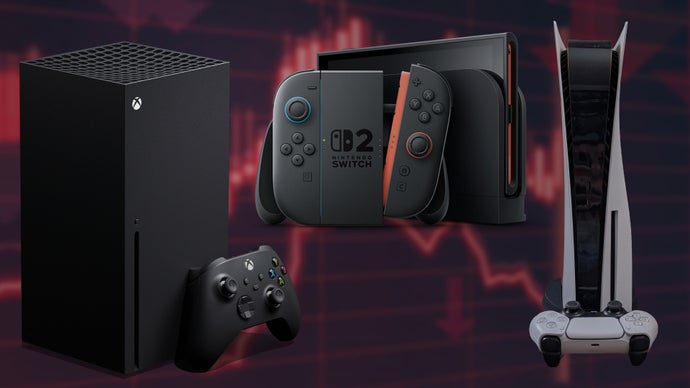
A new report from Circana reveals a massive slump in US gaming hardware spending, mirroring the scarcity of the 2020 pandemic era due to high prices.
- Hardware spending in the US dropped by 29% in July.
- Spending levels have hit lows comparable to the 2020 pandemic-induced shortages.
- Physical software sales have hit an all-time low since tracking began in 1995.
- Subscription services were the only growing sector, up by 6%.
New data released by industry analysts at Circana has sent shockwaves through the gaming sector. In July, consumer spending on gaming hardware and software in the United States saw a significant decline, bringing market activity close to the levels seen during the height of the 2020 pandemic. While the pandemic era was defined by actual component shortages, today's slump is driven by a different culprit: high prices.
According to the report, overall hardware spending plummeted by 29 percent. Despite the fact that consoles are now readily available on store shelves, the prohibitive cost of new hardware has created a barrier to entry that mimics the effect of being out of stock. Consumers are clearly tightening their belts, opting for more cautious spending habits.
Why This Matters
BozokMedia analysis shows that the gaming industry is undergoing a fundamental shift in consumer behavior. The decline across PC, console, and mobile platforms suggests a broad economic cooling within the sector. As hardware becomes more expensive, the traditional model of 'buying a console to play new games' is being challenged by a more budget-conscious approach.
The industry is witnessing a pivot from hardware ownership to service-based consumption as economic pressures mount.
The decline is even more pronounced in the physical software market. Physical game sales have hit an all-time low, a figure unprecedented since tracking began in 1995. This digital migration is starkly highlighted by the market share data: Nintendo captured 63% of new physical game spending, while PlayStation accounted for 32%. This trend aligns with Sony's strategic decision to phase out physical disc manufacturing by 2028.
Market Segment Comparison
| Segment | July Performance | Primary Driver |
|---|---|---|
| Hardware Spending | -29% | High Retail Prices |
| Physical Software | All-time Low | Digital Shift |
| Subscriptions | +6% | Cost-Effective Value |
In terms of individual titles, the month was dominated by Call of Duty: Black Ops 2, which saw massive success following its port to PS4 and PS5. Conversely, titles like Halo: Campaign Evolved struggled to gain significant traction. The data suggests that when consumers do spend, they are gravitating toward established, massive franchises rather than experimenting with new releases.
Frequently Asked Questions
Question 1: Why is hardware spending so low if consoles are in stock?
Answer: High retail prices are deterring consumers, effectively creating a 'price barrier' similar to the 'stock barrier' seen in 2020.
Question 2: Which platform dominates physical game sales?
Answer: Nintendo currently dominates the physical market, holding 63% of the spending share.