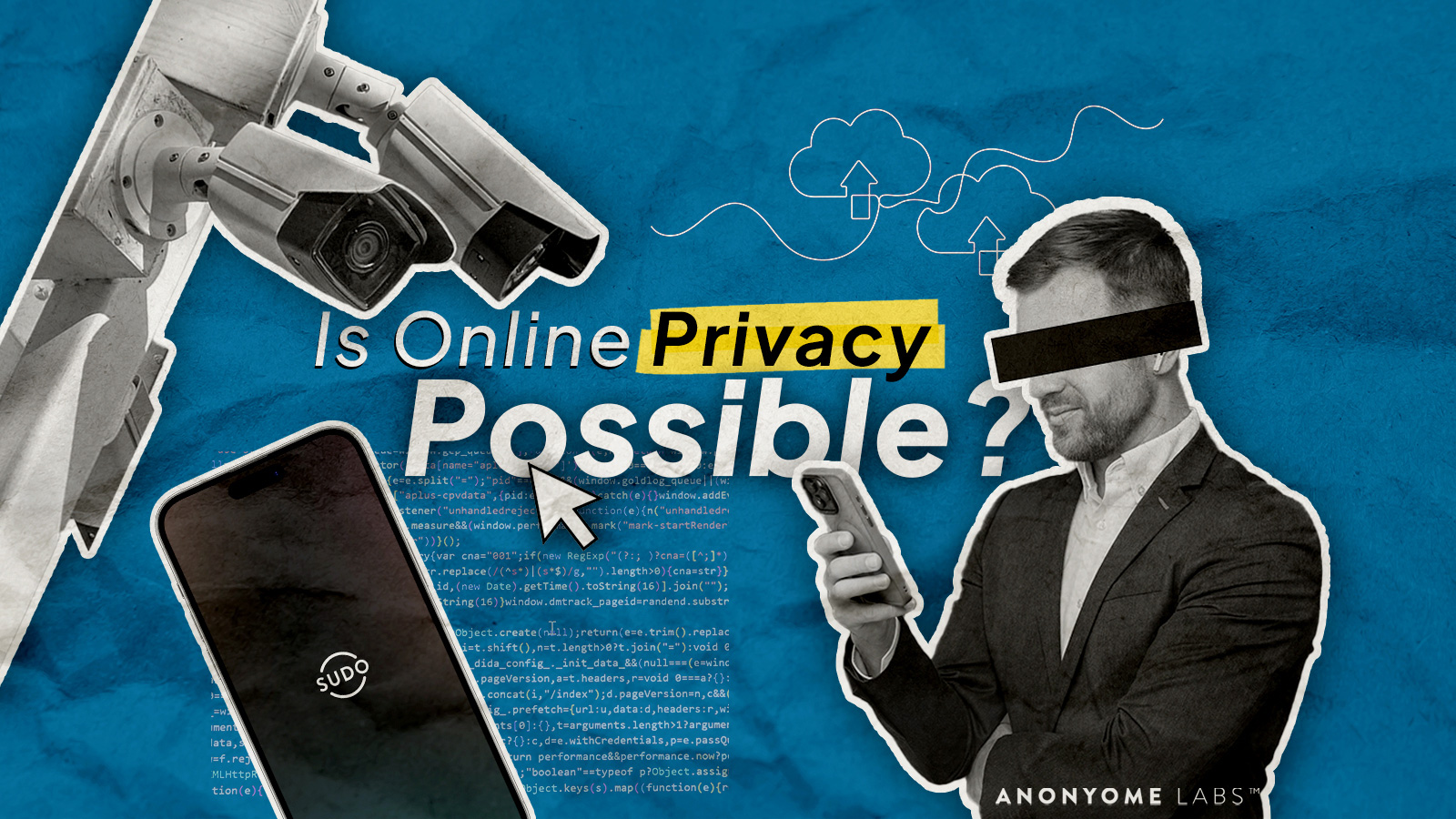
In an era of surveillance capitalism, using a single email and phone number exposes you to massive risks. Discover how compartmentalization and digital personas can safeguard your identity.
- Surveillance capitalism relies on aggregating your personal data to create profitable profiles.
- A single identifier (like an email) acts as a link between all your online activities.
- Compartmentalization involves using separate digital identities for different purposes.
- AI has significantly enhanced the ability of data brokers to correlate user information.
Over the last two decades, the internet has evolved into a business model that thrives on total transparency of the user. Every application installed, every account created, and every form filled out serves as a data point for a system designed to track, profile, and monetize your very existence.
This phenomenon, known as Surveillance Capitalism, turns personal attention and data into the primary product. The mechanics are often invisible; a single email address becomes the thread that weaves together your shopping habits, medical searches, location history, and social connections, allowing data brokers to construct a profile more complete than you might even realize.
Why This Matters
BozokMedia analysis shows that this isn't just about targeted ads; it's about a fundamental erosion of control. Data brokers operate without informed consent, and the damage—ranging from identity theft to price discrimination—is often delayed and diffused, making it harder to detect than a traditional credit card hack.
Privacy is no longer something you can expect; it is something you must actively construct.
The emergence of Artificial Intelligence (AI) has exacerbated this crisis. AI can now correlate vast amounts of disparate data to link identities in ways previously thought impossible, making the job of data brokers incredibly efficient and dangerous for the average user.
The solution lies in Compartmentalization. Instead of using one set of credentials for everything, users can create purpose-built personas. For instance, using one persona for online shopping, another for dating, and a third for travel. Each persona maintains its own email, phone number, and payment method.
By breaking the correlation between these identities, you ensure that if one persona is compromised in a data breach, the damage is contained and cannot be traced back to your primary identity. Anonyome Labs has pioneered this approach with several patents involving persona-based telephony, email, and VPN technologies.
Historical Background
The transition from a decentralized, anonymous internet to a centralized, data-driven ecosystem occurred alongside the rise of social media and free-to-use software models in the early 2000s. As data became 'the new oil,' the infrastructure for mass surveillance and data brokerage became a multi-billion dollar global industry.
Frequently Asked Questions
1. What is the difference between privacy tools and compartmentalization?
Privacy tools like VPNs protect your connection, while compartmentalization protects your identity by breaking the links between your different online activities.
2. Is it difficult to manage multiple identities?
While manual management is hard, new technologies and apps like MySudo are designed to make managing multiple personas seamless and automatic.


