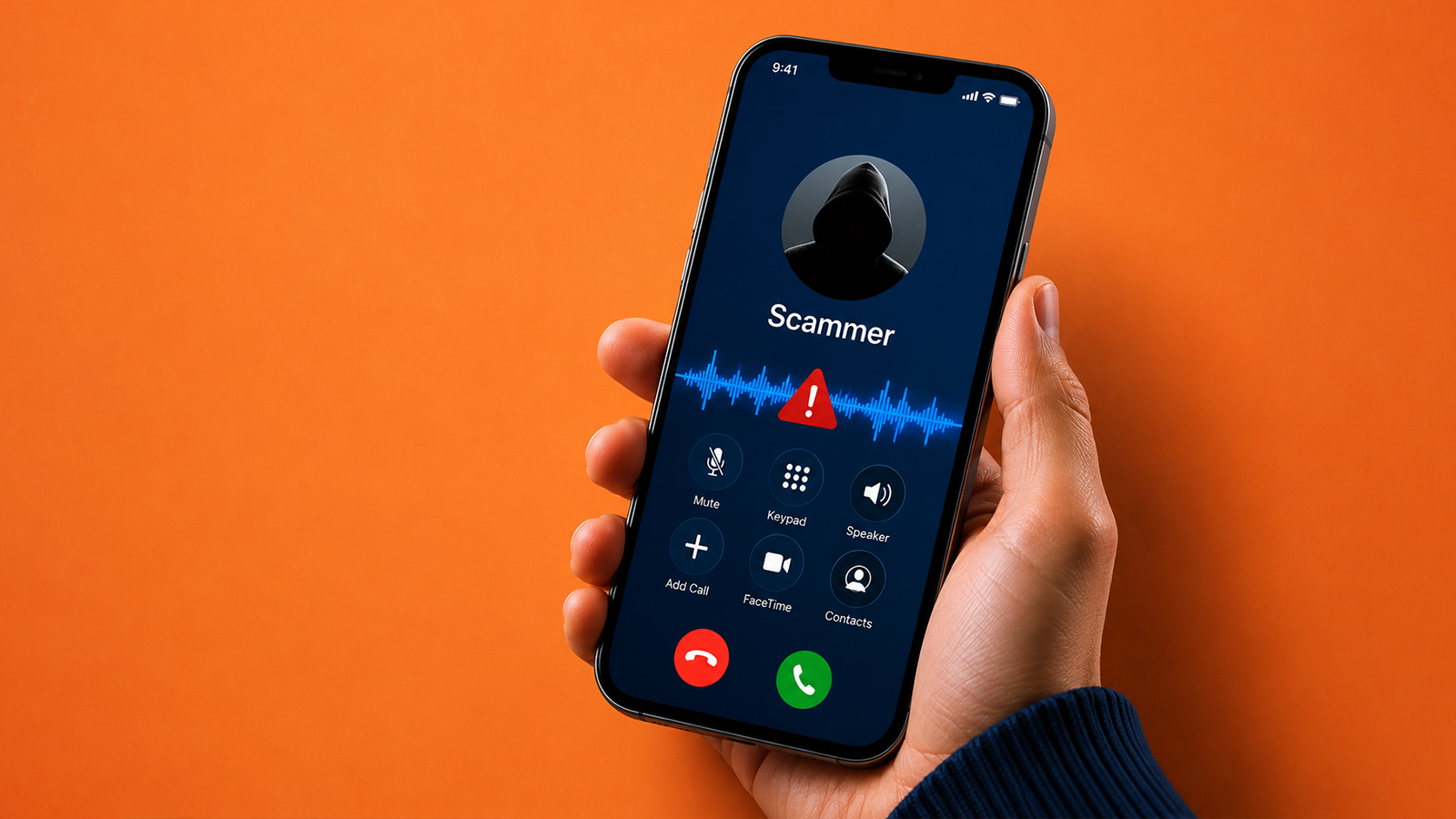
Scammers are utilizing advanced AI technology to replicate human voices, creating high-stakes emotional scams. Learn the warning signs and how to protect your finances.
- Scammers only need a 3-10 second audio clip to replicate a voice using AI.
- The scam relies on emotional manipulation, often simulating emergencies like accidents or kidnappings.
- Implementing a family 'secret code word' is a highly effective defense mechanism.
In an era where digital connectivity is paramount, a new and sophisticated breed of cybercrime is emerging: Voice Cloning Fraud. Unlike traditional hacking that targets passwords or software vulnerabilities, this scam targets the most fundamental human element—trust. By leveraging Artificial Intelligence (AI), criminals can now impersonate anyone, from a family member in distress to a corporate colleague.
The terrifying reality is that scammers do not need access to your devices. They only require a short snippet of audio—sometimes as little as three seconds—harvested from Instagram reels, YouTube videos, or WhatsApp voice notes. With modern AI synthesis tools, this tiny sample is enough to create a digital clone capable of saying anything the scammer scripts.
How the Scam Operates
The process is a calculated psychological operation. It begins with Voice Harvesting, where attackers scan public social media profiles for audio. Next comes Cloning and Scripting, where AI models map vocal patterns to generate new, realistic speech. The attacker then crafts a high-pressure narrative, such as a medical emergency or a legal crisis.
The execution phase involves a deceptive call, often utilizing Caller ID Spoofing to make the incoming number appear familiar. The cloned voice delivers the emotional script with such authenticity that the victim's rational thinking is bypassed by panic. Once the victim is convinced of the emergency, the scammer demands immediate payment via UPI, QR codes, or digital wallets, before disappearing into the digital ether.
Why This Matters
BozokMedia analysis shows that as AI accessibility grows, the barrier to entry for high-level cybercrime has plummeted. This shift from 'technical hacking' to 'social engineering via AI' represents a massive challenge for law enforcement and financial institutions alike. The ability to weaponize a loved one's voice makes traditional skepticism difficult to maintain.
In the age of synthetic media, hearing is no longer believing; verification must become your first instinct, not your second.
To heighten the sense of urgency, scammers often layer background noises—like crying, sirens, or chaotic shouting—into the call, ensuring the victim remains in a state of high cortisol and low logic.
Protection and Prevention Strategies
To safeguard yourself and your family, consider the following professional recommendations:
- Establish a Family Code Word: Create a unique, non-obvious phrase known only to your inner circle. Use this to verify identity during any unexpected emergency call.
- Independent Verification: If you receive a distressing call, hang up immediately and call the person back on their saved, original number. Never trust the incoming caller ID.
- Minimize Digital Voice Footprint: Review your social media privacy settings. Limit the amount of high-quality audio available to the public.
Frequently Asked Questions
Q1: Where can I report a voice cloning scam?
A: You should immediately report the incident on the official Cyber Crime Portal at www.cybercrime.gov.in or call the helpline at 1930.
Q2: Can I prevent my voice from being cloned?
A: While you cannot eliminate the risk entirely, tightening social media privacy and being cautious about public audio clips significantly reduces your vulnerability.