The Indian government has introduced a massive Rs 62,500-crore mobile phone manufacturing policy to transition from a mere assembly hub into a global design and IP powerhouse. The five-year scheme is split into two strategic tracks, aiming to sustain global manufacturing giants and nurture homegrown Indian smartphone brands.
- The Indian government has launched a new Rs 62,500-crore smartphone manufacturing scheme spanning five years (FY 2026-27 to FY 2030-31).
- The initiative is divided into two tracks: one to sustain large-scale global manufacturing and another to foster homegrown Indian smartphone brands.
- To qualify as an Indian brand, companies must have domestic IP, over 51% local ownership, and in-house design and R&D capabilities.
In a major bid to transition India from a global assembly hub to a dominant force in intellectual property and product design, the Central Government has introduced a massive Rs 62,500-crore mobile phone manufacturing scheme. Spanning a five-year period from FY 2026-27 to FY 2030-31, this policy aims to tackle the next phase of India's electronics revolution. It focuses on two major pillars: sustaining the momentum of large-scale manufacturing after the initial Production-Linked Incentive (PLI) scheme ends, and nurturing a competitive domestic smartphone brand that can challenge foreign giants.
Keeping the PLI Momentum Alive
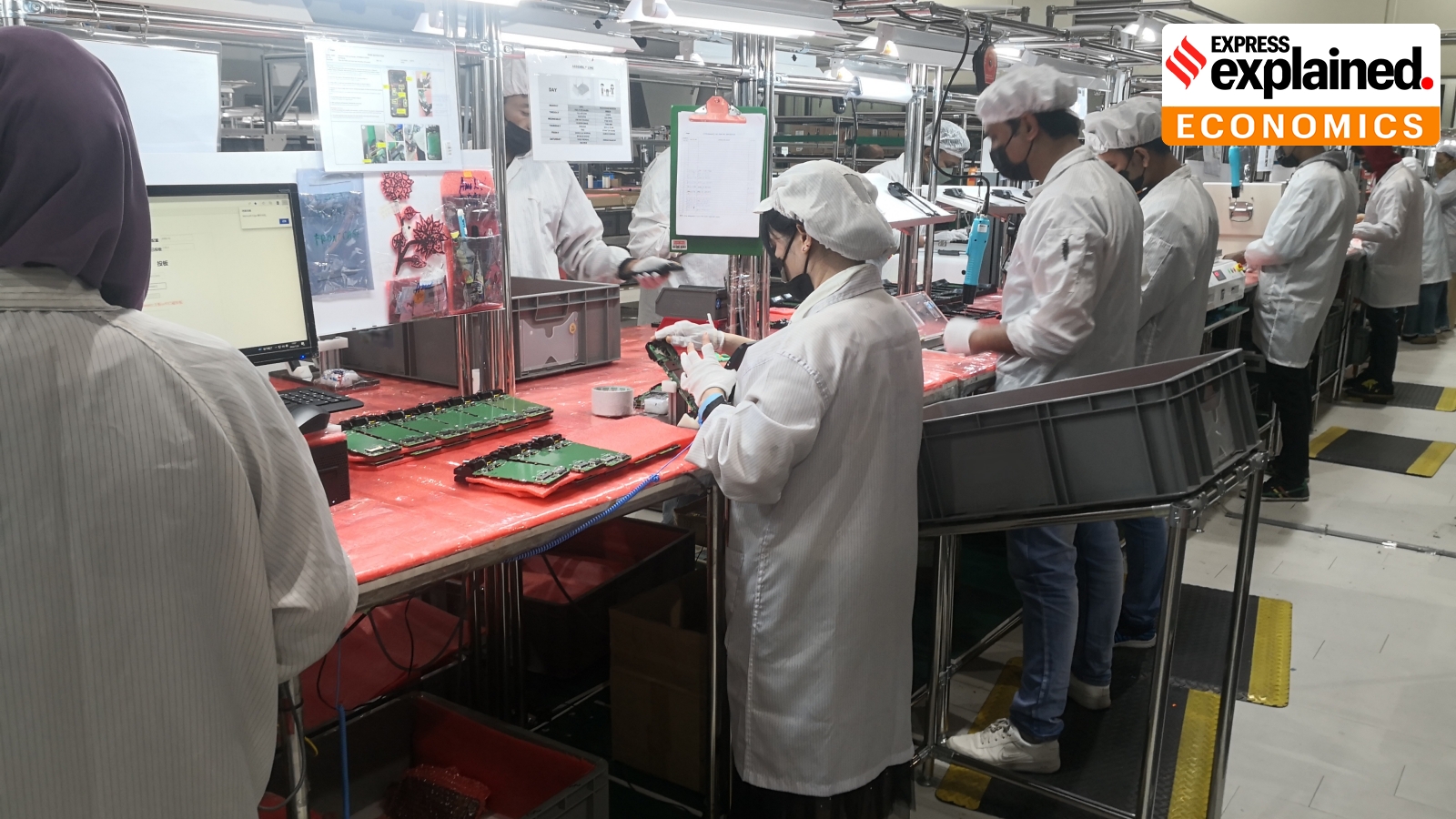
The first track of the scheme acts as a direct successor to the highly successful smartphone PLI scheme. It is tailored for high-volume contract manufacturers and Electronics Manufacturing Services (EMS) players. To qualify, companies must have achieved a minimum turnover of Rs 10,000 crore in FY 2025-26. Beneficiaries must meet steep incremental sales targets, starting at Rs 5,000 crore in the first year and scaling up to Rs 25,000 crore by the fifth year. Crucially, the baseline for calculating incentives will shift annually, defined as the preceding year's sales plus 15%.
Why This Matters
A BozokMedia analysis shows that while India has successfully attracted tech giants like Apple and Samsung to assemble devices locally, the bulk of high-value components and intellectual property remains foreign-owned. This new scheme seeks to change that dynamic by linking incentives to local component sourcing and creating a resilient domestic supply chain that reduces dependence on imports, particularly from China.
Nurturing Homegrown Smartphone Champions
Perhaps the most ambitious aspect of this policy is the second track, which sets aside dedicated incentives for Indian-owned smartphone brands. To qualify, companies must meet stringent criteria: they must be incorporated in India, hold their trademarks and intellectual property domestically, maintain over 51% Indian ownership and management control, and possess in-house design and R&D capabilities. IT Minister Ashwini Vaishnaw confirmed that the government is already in talks with three domestic firms to develop competitive devices across various price tiers.
"The new mobile phone manufacturing scheme builds on the central premise of PLI for smartphone makers: India will support manufacturers that can demonstrate scale and meaningful incremental production." — Dhruv Shekhar, Lead of Manufacturing and Supply Chains at Koan Advisory Group
Comparing the Two Policy Tracks
| Feature | Track 1: Large-Scale EMS & Global Brands | Track 2: Homegrown Indian Brands |
|---|---|---|
| Primary Objective | Sustain large-scale assembly and increase local component sourcing | Develop domestic IP, design, and competitive Indian brands |
| Eligibility Criteria | Minimum turnover of Rs 10,000 crore in FY 2025-26 | Incorporated in India, >51% Indian ownership, domestic IP & R&D |
| Incentive Structure | Linked to incremental sales over a moving baseline (+15% YoY) | Higher support linked to R&D, design, and local IP ownership |
This dual-track strategy is designed to balance immediate economic needs—such as job creation and export revenue—with long-term strategic sovereignty in technology. By offering higher incentives to domestic brands, India hopes to cultivate its own equivalents of global giants like Samsung or Vivo, ensuring that the wealth and innovation generated by the massive Indian consumer market remain within the country.
Frequently Asked Questions
Q1: What is the total budget and duration of the new smartphone scheme?
A1: The scheme has an outlay of Rs 62,500 crore and will run for five years, from FY 2026-27 to FY 2030-31.
Q2: How does a company qualify as an "Indian brand" under Track 2?
A2: The company must be incorporated in India, have domestic IP/trademarks, maintain more than 51% Indian ownership/management, and conduct its design and R&D in India.