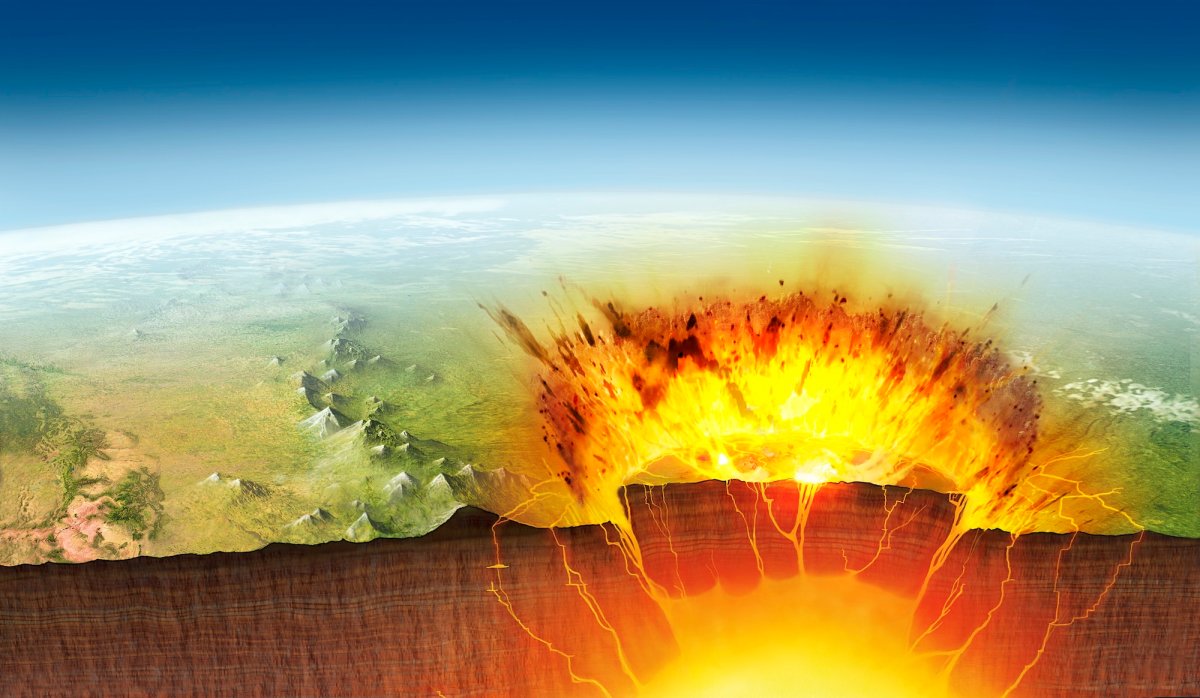
Scientists weigh the actual risks of a Yellowstone supervolcano eruption. While a massive explosion is unlikely soon, the geological activity beneath the park remains a subject of intense study.
Imagine walking through Yellowstone National Park when the ground begins to rumble and pressure builds to a breaking point. This terrifying scenario—the eruption of a supervolcano—has long haunted the collective imagination. But how likely is it that such a catastrophe could occur in our lifetime? According to recent insights from Popular Science, the answer is a mixture of reassurance and scientific caution.
Historical Context of the Yellowstone Caldera
Yellowstone is not just a scenic park; it is one of the largest volcanic systems on Earth. The history of this region is marked by massive, caldera-forming eruptions. The last major event took place about 661,000 years ago. If a super-eruption were to occur today, the scale would be unfathomable, ejecting over 660 trillion gallons of ash and magma. Such an event could bury entire states under miles of debris, dwarfing the 1980 eruption of Mount St. Helens by a factor of 6,000.
Why This Matters
BozokMedia analysis shows that understanding these geological giants is crucial for global preparedness. A supervolcano eruption wouldn't just be a regional disaster; it would likely trigger a 'volcanic winter,' altering global weather patterns, disrupting agriculture, and potentially threatening human civilization on a massive scale.
While the term 'supervolcano' suggests constant catastrophe, scientists emphasize that much of the activity could be far less dramatic.
The good news for travelers is that a massive eruption is not expected anytime soon. Experts note that the magma currently residing beneath the park is mostly in a solid state, meaning it lacks the immediate energy required to fuel a massive super-eruption. Instead of a world-ending explosion, scientists suggest that hydrothermal explosions or slow-moving lava flows are much more probable geological events for the near future.
The term 'supervolcano' can sometimes be misleading, leading people to believe that every tremor or thermal shift is a precursor to doom. However, the continuous monitoring of the park's seismic and thermal activity is essential to differentiate between routine geological shifts and true warning signs of an impending eruption.
Frequently Asked Questions
1. Is Yellowstone going to erupt soon?
Most scientists believe a major super-eruption is unlikely for thousands, if not millions, of years.
2. What is the difference between a volcano and a supervolcano?
A supervolcano is characterized by its ability to produce eruptions of massive scale, often creating giant calderas, far exceeding typical volcanic activity.