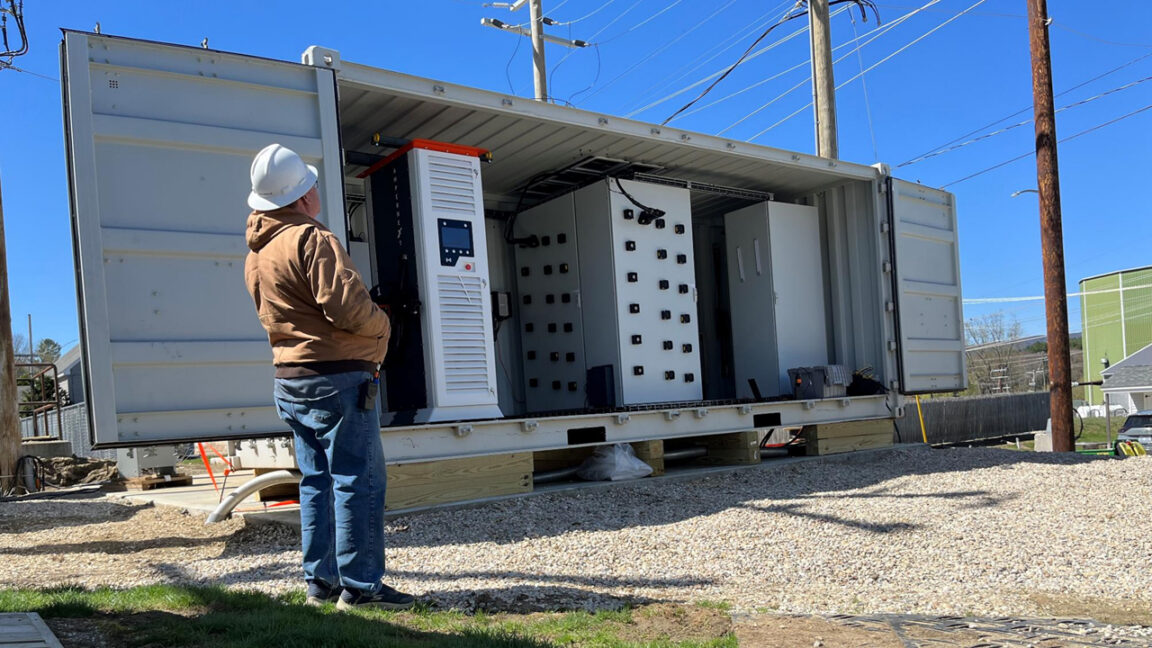
The surge in AI data center power demands is accelerating the shift from 19th-century transformer designs to modern solid-state power electronics.
- AI data centers are the primary catalyst for surging electricity demand in the US.
- Legacy transformers rely on 1880s technology and manual assembly.
- Solid-state transformers (SSTs) offer a scalable, modern alternative to custom-built hardware.
The explosive growth of AI data centers has pushed the US power grid to its limits, creating an urgent need for infrastructure upgrades. However, this strain has acted as a catalyst for the adoption of solid-state power transformers, a modern electronic alternative to industrial-age hardware.
For over a century, power grids have relied on conventional transformers—essentially copper wire coils wound around a steel core. This design, dating back to the 1880s, is painstakingly assembled by hand. Because the largest transformers are custom-built for specific substations rather than mass-produced, the industry faces a massive bottleneck.
Why This Matters
BozokMedia analysis shows that the combination of manufacturing constraints and a scramble for AI infrastructure has led to lead times of several years for new transformer deliveries. This doesn't just hinder growth; it creates a dangerous lag in replacing aging equipment, leaving the grid vulnerable to failures during peak demand.
"The transition to solid-state technology represents the shift from mechanical power distribution to software-defined energy management."
Solid-state transformers replace heavy magnetic cores with high-frequency power electronics. This allows for a significantly smaller footprint, better voltage regulation, and the ability to integrate renewable energy sources more efficiently. While data centers are the immediate 'killer application,' the ripple effects will eventually reach EV charging networks and residential smart grids.
Frequently Asked Questions
Q1: Why can't traditional transformers be mass-produced?
A: Due to their size and the requirement for manual winding of copper coils tailored to specific utility needs, they must be custom-engineered for each substation.
Q2: How will this benefit the average consumer?
A: In the long run, SSTs can enable faster EV charging and more stable home electricity by managing voltage fluctuations more precisely.


