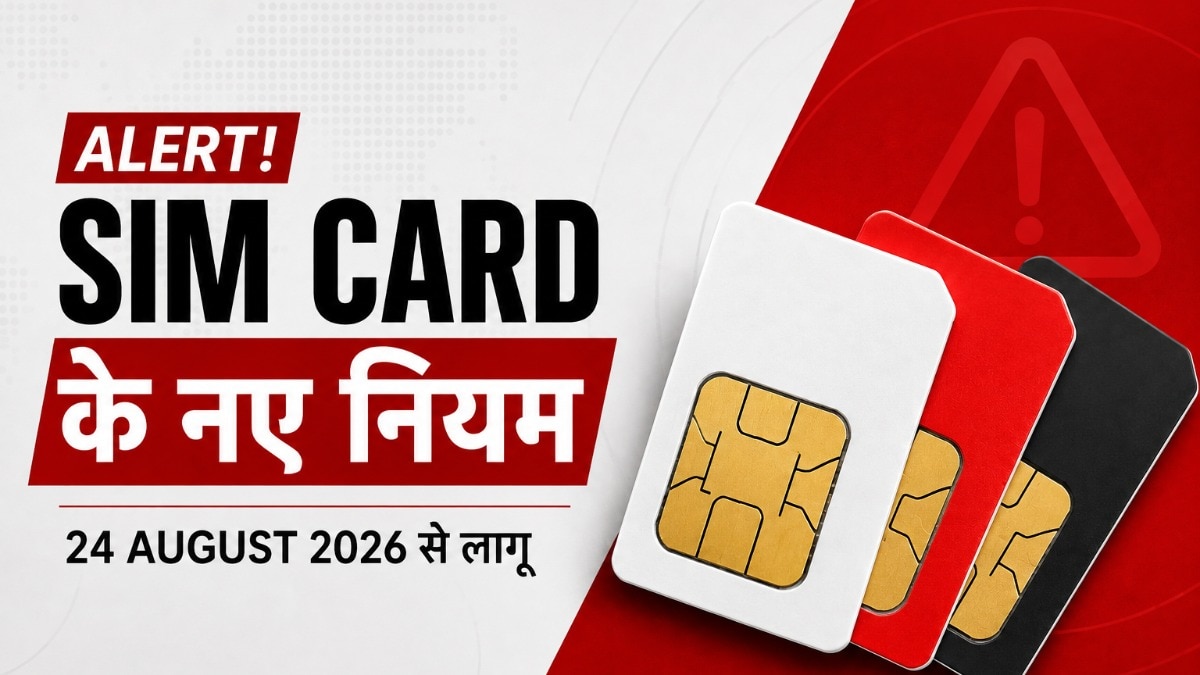
The Department of Telecommunications (DoT) has tightened SIM card issuance rules. Users are now strictly limited to a maximum number of connections to curb misuse and enhance security.
- Maximum limit of 9 SIM cards per person for most of India.
- Limit reduced to 6 SIMs in Jammu & Kashmir and North-Eastern states.
- Implementation of Digital Intelligence Platform (DIP) for verification.
- Real-time enrollment and activation mandatory by November 30, 2026.
In a major move to bolster national security and curb fraudulent activities, the Department of Telecommunications (DoT) has implemented strict new regulations regarding mobile SIM card connections. Effective from August 24, 2026, these rules aim to streamline the verification process and prevent the misuse of mobile numbers for criminal activities.
Strict Limits on SIM Card Ownership
Under the new guidelines, a single individual is permitted to hold a maximum of 9 mobile connections across all service providers. This limit is cumulative, meaning it includes connections from Jio, Airtel, Vodafone Idea, and any other telecom operator. It is important to note that in sensitive regions such as Jammu & Kashmir, Assam, and certain North-Eastern parts of India, the limit has been further restricted to just 6 mobile connections.
Why This Matters
BozokMedia analysis shows that this regulatory shift is a direct response to the rising instances of cybercrime, phishing, and identity theft facilitated by untraceable SIM cards. By centralizing data through a unified platform, the government aims to eliminate 'SIM farming' used by organized crime syndicates.
Strengthening identity verification through digital platforms is a critical step in securing India's digital ecosystem.
To enforce these limits, telecom companies will now utilize the Digital Intelligence Platform (DIP). This platform allows operators to cross-reference customer data across different networks to ensure no individual exceeds the prescribed limit.
Enhanced Verification and Real-Time Integration
The verification process has been significantly upgraded. The DoT has instructed that representative images of customers reaching the limit be made available on the DIP. This will assist telecom companies in identifying individuals attempting to acquire new connections using fraudulent documents or multiple identities.
While the verification process is currently being managed through temporary post-check mechanisms, the government has set a hard deadline. By November 30, 2026, all telecom companies must integrate their systems for real-time enrollment and activation. Any connection found to be exceeding the limit due to technical glitches may be subject to immediate suspension.
Historical Background
Historically, SIM card regulations in India focused primarily on KYC (Know Your Customer) through Aadhaar. However, as digital fraud became more sophisticated, the transition toward a centralized, multi-operator intelligence platform became necessary to track the lifecycle of every mobile connection in the country.
Frequently Asked Questions
Q1: Will my existing SIM cards be deactivated?
A: No, as long as you are within the permitted limit of 9 (or 6 in specific regions), your existing connections remain safe.
Q2: What happens if I try to buy a 10th SIM?
A: Telecom providers will be mandated to refuse the new connection request based on the DIP data.