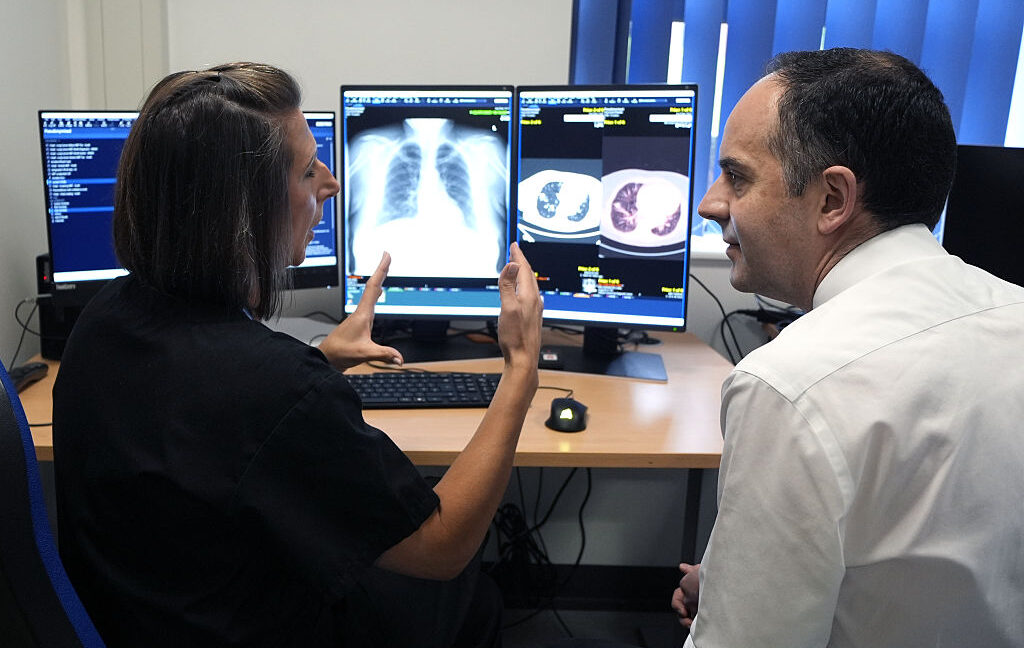
Despite predictions of total replacement, AI is emerging as a powerful ally rather than a substitute for radiologists in modern medicine.
- AI is augmenting rather than replacing human radiologists.
- The radiology workforce is projected to grow by over 26% in the next 30 years.
- 75% of FDA-cleared AI medical devices are concentrated in radiology.
In 2016, Geoffrey Hinton, the Nobel-winning 'godfather of AI,' predicted that radiologists would be replaced by computers within five years. Fast forward to today, and the field is proving him wrong in terms of employment numbers. Much like Mark Twain's famous sentiment, the report of radiology's death has been a significant exaggeration. In reality, the number of practitioners is expected to expand by 26 percent or more over the next three decades.
However, Hinton’s underlying premise regarding the capability of machines remains incredibly prescient. He correctly identified that human physicians now have a silicon-based colleague in the room that matches or even exceeds their performance in specific tasks. Radiology has become the epicenter for AI integration in healthcare, serving as a bellwether for how expert decision-making systems will be adopted across all medical disciplines.
Why This Matters
BozokMedia analysis shows that the integration of AI in radiology represents a shift from 'replacement anxiety' to 'augmentation efficiency.' As the volume of medical imaging grows globally, the ability of AI to triage urgent cases and draft preliminary reports is becoming essential to prevent physician burnout and improve patient outcomes.
AI is not the replacement for the radiologist, but the ultimate diagnostic superpower.
As of early 2026, the scale of this integration is evident: approximately three-quarters of the 1,400 AI-enabled medical devices cleared by the Food and Drug Administration (FDA) were dedicated to radiology. These tools assist by alerting physicians to urgent abnormalities or identifying patterns invisible to the naked eye. For instance, a meta-analysis of 43 clinical trials revealed that AI-assisted colonoscopies are more effective at detecting polyps than conventional methods.
Historical Background
Since the dawn of medical imaging with the invention of the X-ray, the goal has always been to see more clearly. The transition from film to digital imaging set the stage, and the current leap into machine learning represents the most significant evolution in diagnostic history.
Frequently Asked Questions
Question 1: Is AI making radiology jobs obsolete?
Answer: No, it is changing the nature of the job, allowing doctors to focus on complex clinical decision-making rather than repetitive scanning.
Question 2: How does AI improve accuracy?
Answer: AI can process massive datasets and recognize minute pixel-level changes that might be missed by a fatigued human eye.