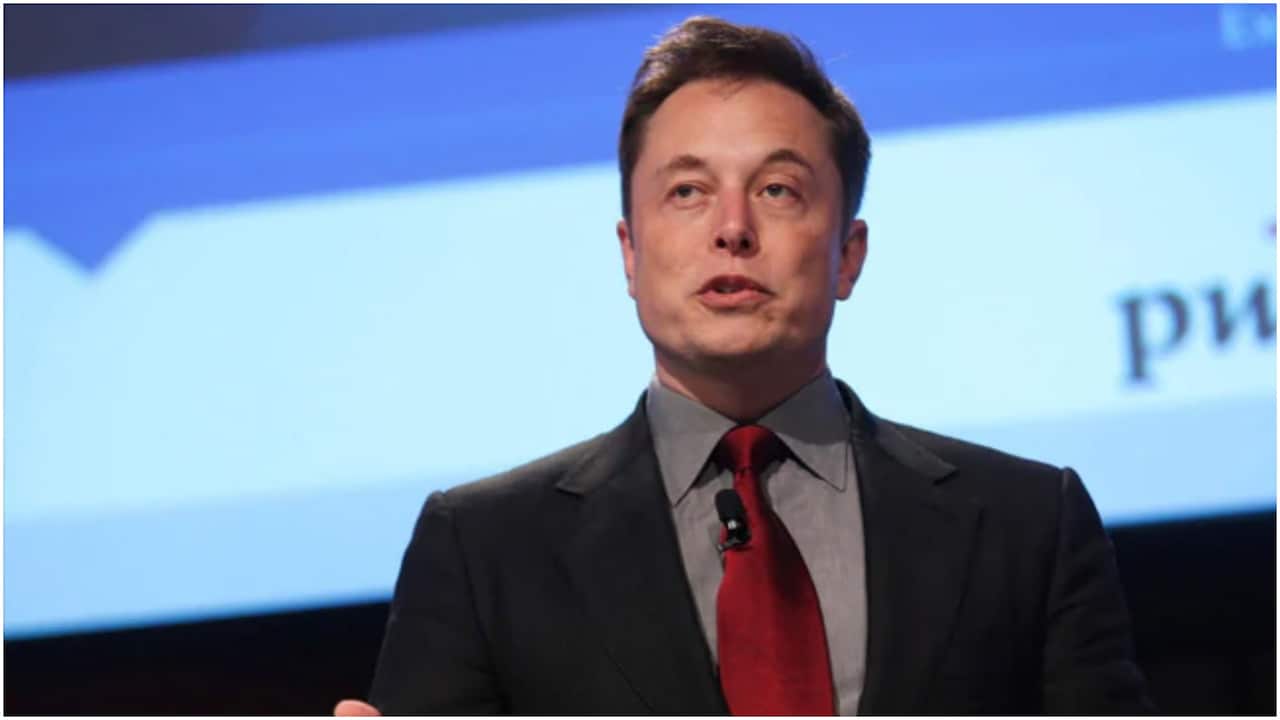
As India aggressively expands its AI and data center infrastructure, a stark warning from Elon Musk regarding power constraints raises critical questions about the sustainability of the nation's digital leap.
- Elon Musk warns of massive power shortages hindering AI development.
- India aims to become a global AI hub through massive data center expansion.
- The conflict between computational demand and environmental sustainability is intensifying.
The global race for Artificial Intelligence (AI) dominance has shifted from a battle of algorithms to a battle of energy. Elon Musk, the CEO of Tesla and xAI, has recently sounded an alarm regarding the staggering amount of electricity required to power the next generation of Large Language Models (LLMs). This warning arrives at a pivotal moment for India, which is currently positioning itself as a primary destination for global AI infrastructure and data center investments.
India's ambition is clear: to build a robust AI ecosystem that leverages its massive data pools and technical talent. However, the physical reality of AI—massive server farms requiring constant cooling and immense power—clashes with the current state of energy grids. The scaling of AI is no longer just a software challenge; it is a hardware and power distribution crisis.
Why This Matters
BozokMedia analysis shows that India's push for AI sovereignty could be throttled not by a lack of talent, but by a lack of megawatts. If the energy infrastructure does not evolve at the same pace as AI adoption, the cost of computing will skyrocket, potentially pricing out smaller Indian startups and leaving the ecosystem dependent on foreign cloud providers.
"The bottleneck for AI is no longer chips, but the electrons required to power them."
Historically, India has struggled with grid stability in rural areas, though urban centers have seen improvement. The sudden surge in demand from hyperscale data centers creates a new layer of pressure. To mitigate this, the Indian government is exploring green hydrogen and expanded solar capacities, but the transition takes time that the AI race may not afford.
Furthermore, the environmental footprint of these centers is becoming a point of contention. Alona Geckler emphasizes that the central question is not whether AI provides value—which it clearly does—but how the industry can drastically reduce its environmental footprint while continuing to scale.
| Factor | Traditional Data Centers | AI-Optimized Centers |
|---|---|---|
| Power Demand | Moderate | Extreme (GPU intensive) |
| Cooling Needs | Standard HVAC | Liquid Cooling/Advanced |
| Carbon Footprint | Linear Growth | Exponential Growth |
Frequently Asked Questions
Q1: Why is AI so power-hungry?
AI requires thousands of GPUs running simultaneously to process billions of parameters, generating immense heat and requiring constant power.
Q2: How can India solve this energy gap?
By integrating renewable energy sources directly into data center parks and investing in next-generation cooling technologies.