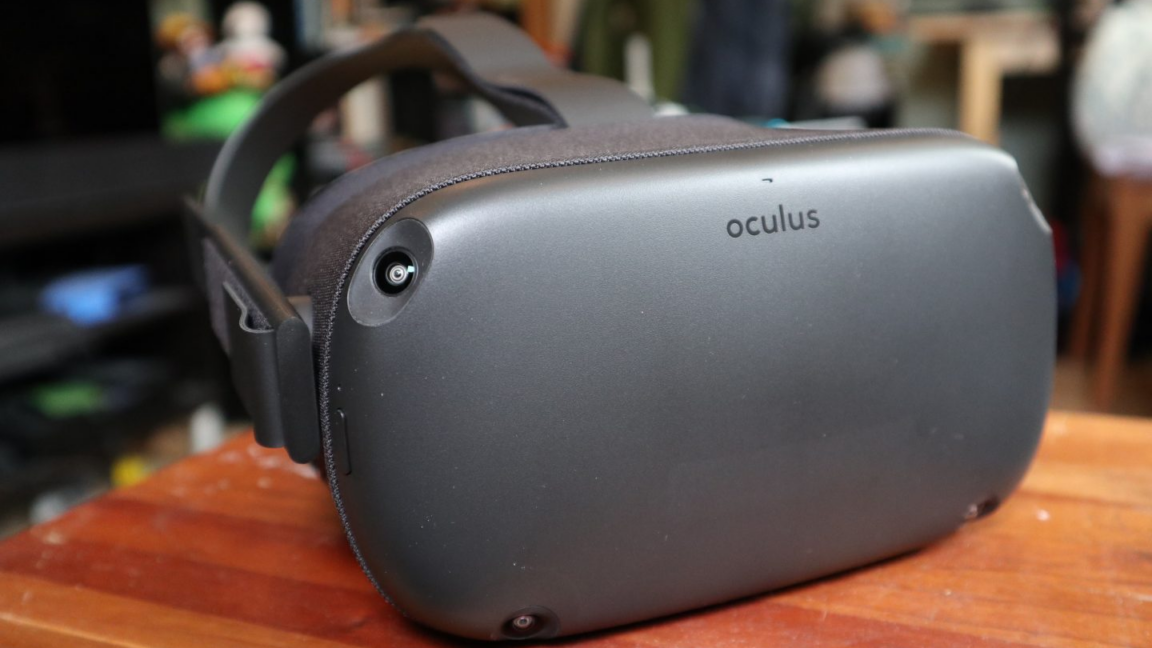
A groundbreaking privilege escalation attack and new bootloader now allow enthusiasts to bypass Meta's restrictions and gain full root access to the original Quest hardware.
- The QuestStack project enables full root access for Quest 1 owners.
- Users can now operate the device independently of Meta's servers.
- Sideloading apps no longer requires a Meta Developer account.
When Meta (formerly Oculus) launched the original Quest headset in 2019, it marked a milestone in consumer VR. However, as the company pivoted to focus on the more advanced Quest 2 and Quest 3, official support for the first-generation hardware was discontinued in 2023. While Meta may have moved on, the developer community has not.
A new project known as QuestStack has recently emerged, introducing a sophisticated root-access exploit and bootloader. This tool provides developers and hardware enthusiasts with "full control" over the original Quest hardware by leveraging known vulnerabilities in the device's Android fastboot process. This chain of privilege escalation leads directly to full root access.
Streamlined Implementation
One of the most impressive aspects of this development is its accessibility. The bootloading process has been engineered to be incredibly streamlined. Once the headset is connected to a PC, the entire process can be completed via a web interface, eliminating the need for massive, cumbersome software downloads.
Breaking the Tether to Meta
The implications of this exploit are profound. It effectively divorces the original Quest hardware from its reliance on Meta's servers and proprietary services. For enterprising owners, this means the ability to sideload applications without the traditional hurdles of registering for a Meta Developer account or activating 'Developer Mode' through the Meta mobile app.
This breakthrough shifts the power dynamic from the corporation back to the consumer, ensuring hardware longevity.
Why This Matters
BozokMedia analysis shows that this development serves as a critical defense against planned obsolescence. In the modern tech ecosystem, companies often render perfectly functional hardware obsolete by cutting off software support. The QuestStack project ensures that the original Quest remains a viable, functional device regardless of Meta's corporate roadmap.
Furthermore, this provides a safety net for the future. Even if Meta decides to permanently shut down the servers that manage initial setup and login processes, users with this bootloader will be able to navigate setup steps on a fresh device, preserving the utility of their investment.
Frequently Asked Questions
1. Do I need a Meta account to use the new bootloader?
No, the primary benefit is the ability to bypass Meta's server-side requirements and account dependencies.
2. Can this be used on Quest 2 or Quest 3?
Currently, this specific exploit and the QuestStack project are focused on the original Quest hardware.