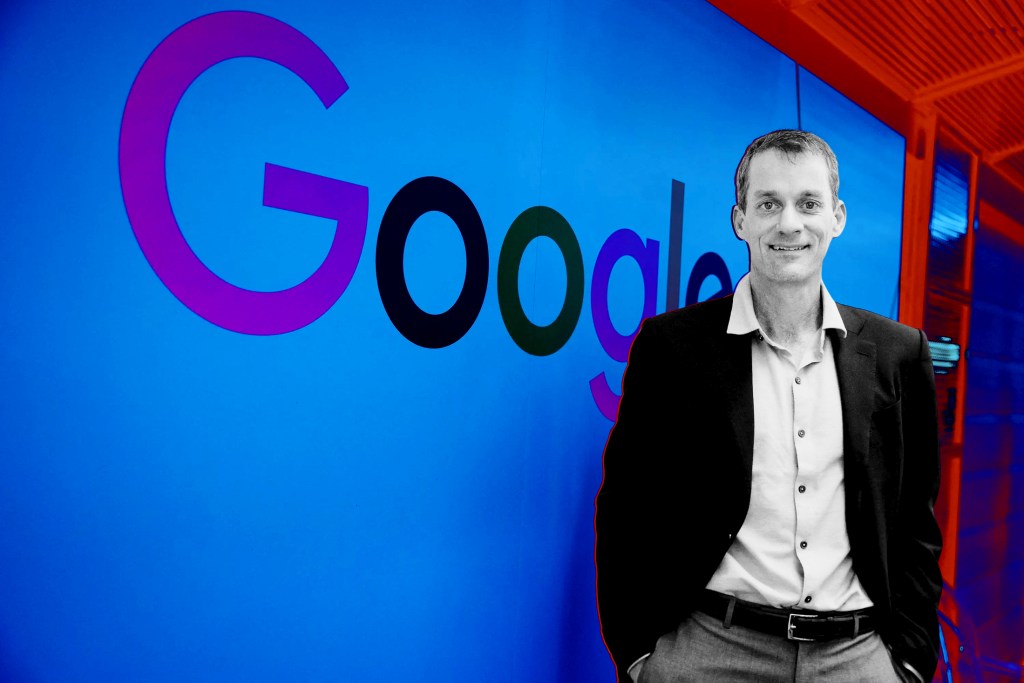
In an exclusive interview with TechCrunch, OpenAI's Head of Product, Thibault Sottiaux, discusses the evolution of AI from simple chatbots to autonomous agents designed for the professional workforce.
- OpenAI is transitioning from technical tools like Codex to consumer-facing professional tools like ChatGPT Work.
- The future of AI lies in 'Agents' that can autonomously execute complex, multi-step professional tasks.
- The ultimate goal is seamless integration where technology adapts to humans, rather than humans learning technology.
In a deep-dive conversation with TechCrunch, Thibault Sottiaux, the Head of Product at OpenAI, shed light on the company's strategic pivot toward making AI agents accessible to the global workforce. Sottiaux, who oversees core products including the API, enterprise solutions, and the entire ChatGPT suite, emphasized that the mission is moving beyond simple text generation.
The launch of ChatGPT Work marks a significant milestone. While tools like Codex were built for a technical audience, ChatGPT Work is designed to bring that same 'coding agent' power to white-collar professionals in a safe, delightful, and highly intuitive manner. This democratization of high-level intelligence is central to OpenAI's growth strategy.
Why This Matters
BozokMedia analysis shows that OpenAI is aggressively pursuing a strategy to own the 'application relationship' with users. By embedding AI agents directly into professional workflows, OpenAI moves from being a utility provider to an indispensable operating layer for the modern economy, ensuring long-term user retention and recurring revenue.
"The progression of this technology is going to become more natural over time. It adapts to humans. You don't have to do the reverse."
Sottiaux highlighted that the interface of AI is evolving from text-based prompts to natural voice interactions, citing the massive growth of ChatGPT Voice. The goal is a 'minimal product surface'—a design philosophy where the complexity of the model is hidden behind a simple, engaging, and natural human interface.
Addressing the concept of 'AI Magic,' Sottiaux noted that the world seems ready for this level of autonomy. With over 20 million users already engaging with these capabilities, OpenAI is leveraging iterative deployment. This involves observing how models handle tasks like deep research, slide generation, and report writing, and then refining the product based on real-world feedback.
Frequently Asked Questions
1. What is the difference between ChatGPT and ChatGPT Work?
ChatGPT is a general-purpose conversationalist, while ChatGPT Work is optimized for professional tasks and autonomous agentic workflows.
2. How does OpenAI handle the cost of high-intelligence tasks?
OpenAI focuses on delivering massive utility that justifies the subscription cost, ensuring the value provided far outweighs the token usage.
| Feature | Standard ChatGPT | ChatGPT Work (Agents) |
|---|---|---|
| Primary Use Case | General Assistance | Professional Workflow Automation |
| Autonomy Level | Reactive (Responds to prompts) | Proactive (Executes tasks) |
| Target Audience | General Public | White-Collar Professionals |