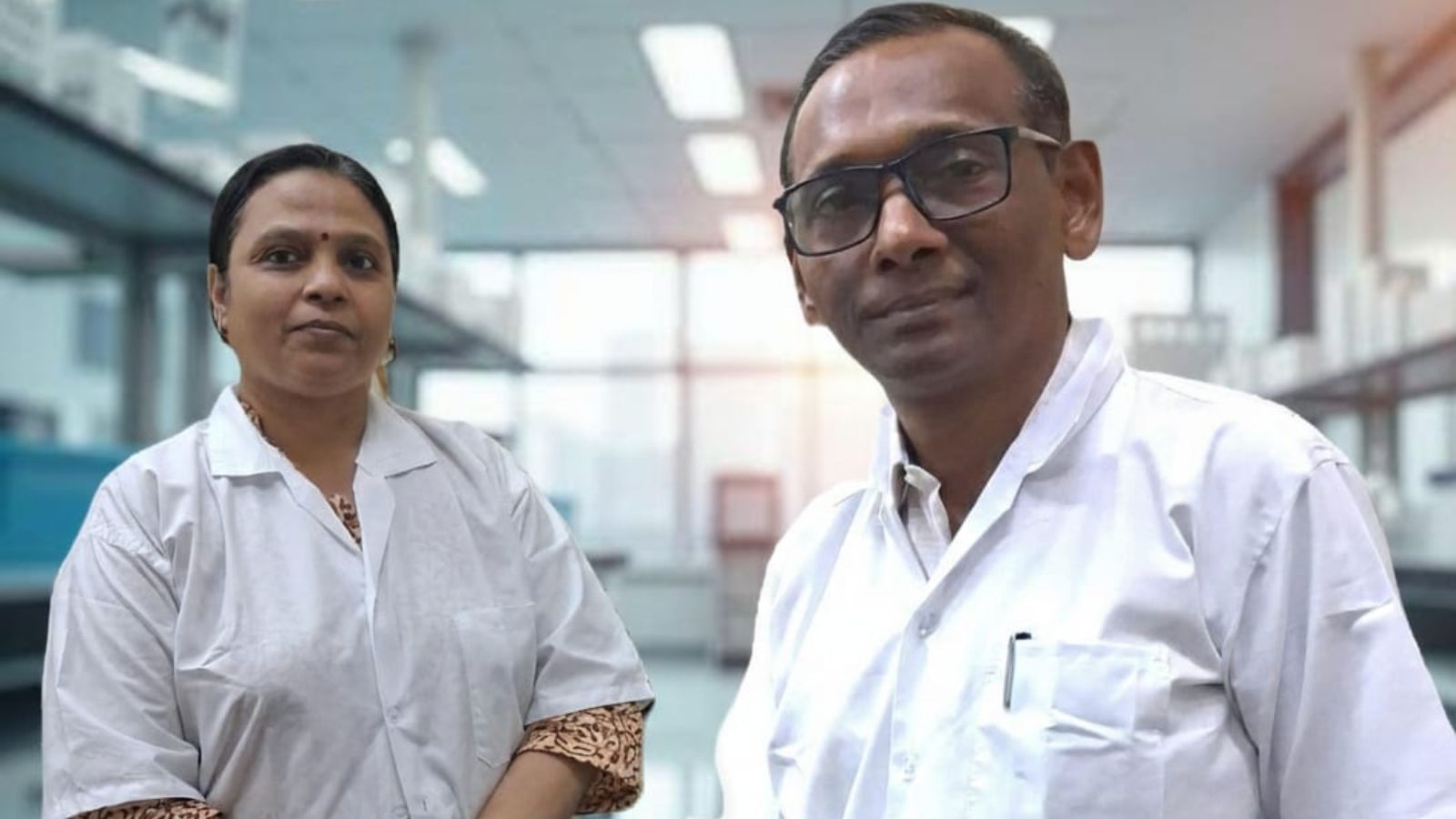
A Pune-based startup, Ismclimatech, led by PhD scientists Deepali and Harsh Jadia, has successfully developed a biochemical process to upcycle non-recyclable multi-layered plastic into high-value industrial pellets.
- Developed a heat-free method to extract aluminium from multi-layered plastic (MLP).
- The resulting pellets serve as a recyclable substitute for virgin PVC and PP-PE resins.
- Targeting footwear and automotive sectors for commercial application.
At a recent innovation showcase at the National Chemicals Laboratory in Pune, a striking contrast was on display: piles of discarded medicine and food wrappers sitting alongside sturdy footwear soles. While they appeared unrelated, both were crafted from the same challenging material—Multi-Layered Plastic (MLP).
Deepali Jadia and Harsh Jadia, both PhDs in environmental biotechnology from the University of Mumbai, are the minds behind this transformation. Through their bootstrapped startup, Ismclimatech, they have turned a major environmental liability into a valuable industrial resource.
The Science of Upcycling
The core breakthrough lies in their ability to extract aluminium from MLP without using heat. This allows the remaining mixed plastic to be molded into durable, odorless pellets that do not crack. These pellets act as a direct, recyclable substitute for virgin PVC and PP-PE resins, making them highly attractive to manufacturers.
We have developed a biochemical upcycling process that transforms notoriously non-recyclable MLP into high-value plastic pellets.
BozokMedia analysis shows that this innovation addresses a massive ecological gap. India generates approximately 3.8 million tonnes of MLP waste annually. The food, beverage, and cosmetics sectors alone contribute 50 tonnes of this waste every single day. Currently, much of this material ends up in landfills or is incinerated in cement kilns, contributing significantly to global pollution.
Why This Matters
The implications of this technology extend far beyond simple waste management. By creating a demand for upcycled pellets, Ismclimatech incentivizes the collection of waste from various sources. This not only reduces carbon emissions but also fosters a 'green job market,' potentially improving the livelihoods of local waste pickers by integrating them into a formal recycling stream.
Currently incubated at Pune’s Venture Center and backed by IIT Madras, the startup is focusing its immediate commercial efforts on the footwear industry. However, the vision is much larger, with plans to explore applications in the automotive sector for internal structural components and insulation.
Historical Background
Multi-layered plastics became ubiquitous due to their excellent barrier properties against moisture and oxygen, making them ideal for food packaging. However, the very bond that makes them effective—the fusion of different materials like plastic and aluminium—makes them one of the most difficult types of waste to process through traditional mechanical recycling methods.
Frequently Asked Questions
1. What makes MLP so difficult to recycle?
MLP consists of bonded layers of different materials (like plastic and aluminium). Separating these layers using traditional methods is energy-intensive and often economically unfeasible.
2. What industries can benefit from Ismclimatech's pellets?
The primary sectors identified are footwear (for soles and casing) and the automotive industry (for structural brackets and insulation).