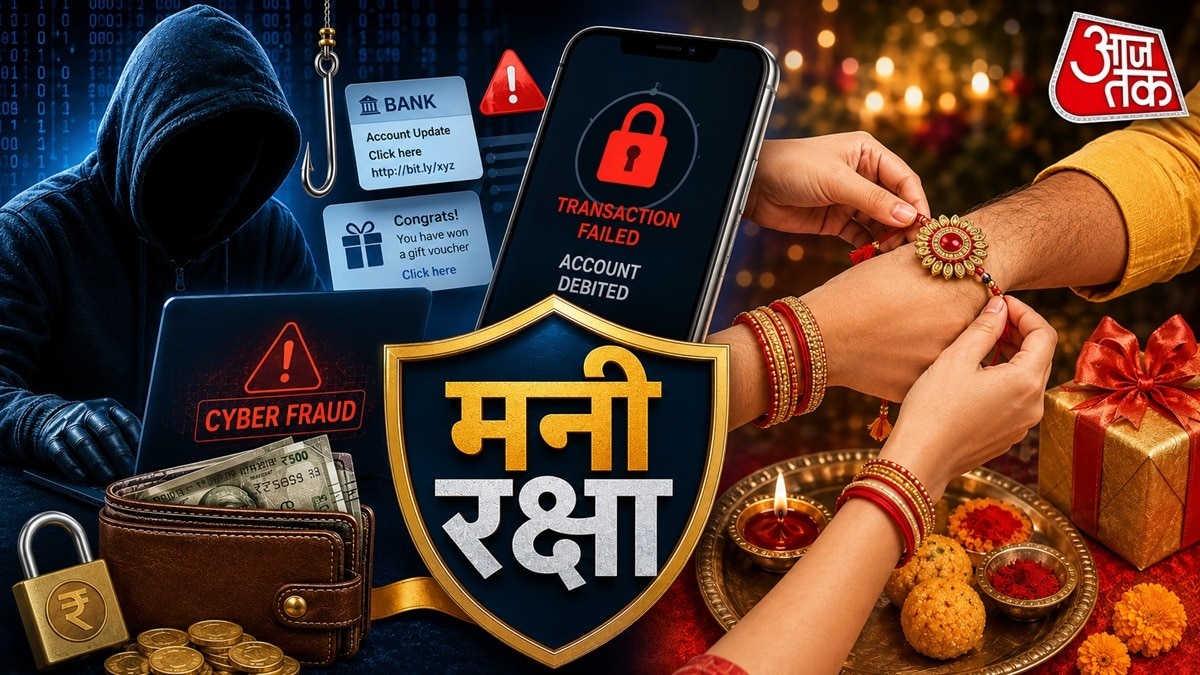
Cyber criminals are planning sophisticated scams involving fake gifts, delivery frauds, and massive discounts during the Raksha Bandhan festival. Stay informed to protect your bank account.
- Beware of fake gift links and unrealistic discounts (80-90% off) shared on social media.
- Never share your OTP, UPI PIN, or ATM details with anyone claiming to be from a courier service or bank.
- Remember: You NEVER need to enter a PIN or scan a QR code to receive money via UPI.
As the festival of Raksha Bandhan approaches, the excitement of gifting and online shopping is being overshadowed by the rising threat of cyber fraud. Scammers are increasingly leveraging the festive spirit to target unsuspecting individuals through various digital traps, ranging from fake e-commerce platforms to malicious links.
Cybercriminals often create a sense of urgency or extreme excitement to bypass a victim's logical reasoning. Whether it is the promise of a 'free gift' for a sibling or a 'massive festive discount,' these tactics are designed to compromise bank accounts and personal data. BozokMedia analysis shows that festive seasons see a significant spike in phishing attacks and UPI-related scams across India.
Common Modus Operandi of Scammers
To stay safe, it is crucial to understand the five primary methods being used by fraudsters:
- Fake Gift Links: Scammers circulate links promising free gifts that, when clicked, install malware or APK files to steal sensitive information.
- Fake Rakhi Offers: Fraudulent websites offer astronomical discounts (up to 90%) on rakhis and sweets to lure victims into making payments on fake gateways.
- Courier Scams: Victims receive messages about 'undelivered parcels' or 'address updates,' prompting them to share OTPs to 'verify' the delivery.
- UPI Refund Scams: Scammers pose as customer support, claiming a refund is due, and trick users into entering their PIN to 'receive' the money.
- Cashback Scams: Using the lure of bank cashback offers, criminals ask for small 'processing fees' to gain access to complete banking credentials.
In the digital era, your skepticism is your strongest shield against sophisticated financial crimes.
How to Safeguard Yourself
The best defense against cybercrime is education and caution. Always use official e-commerce portals and avoid clicking on unsolicited links via SMS or WhatsApp. Most importantly, be vigilant regarding UPI transactions; a common misconception is that scanning a QR code is required to receive money—this is false.
| Scam Type | The Trap | Real Fact |
|---|---|---|
| Gift Scam | Click link for free gift | Links often contain malware |
| UPI Scam | Enter PIN to receive money | PIN is only for sending money |
| Courier Scam | Share OTP for delivery | No OTP is needed for address updates |
Frequently Asked Questions
1. How can I identify a fake shopping website?
Check for secure HTTPS in the URL, look for spelling errors, and avoid sites offering deals that seem too good to be true.
2. What should I do if I have been scammed?
Immediately contact your bank to freeze your accounts and report the incident at the nearest police station or via the 1930 helpline.
