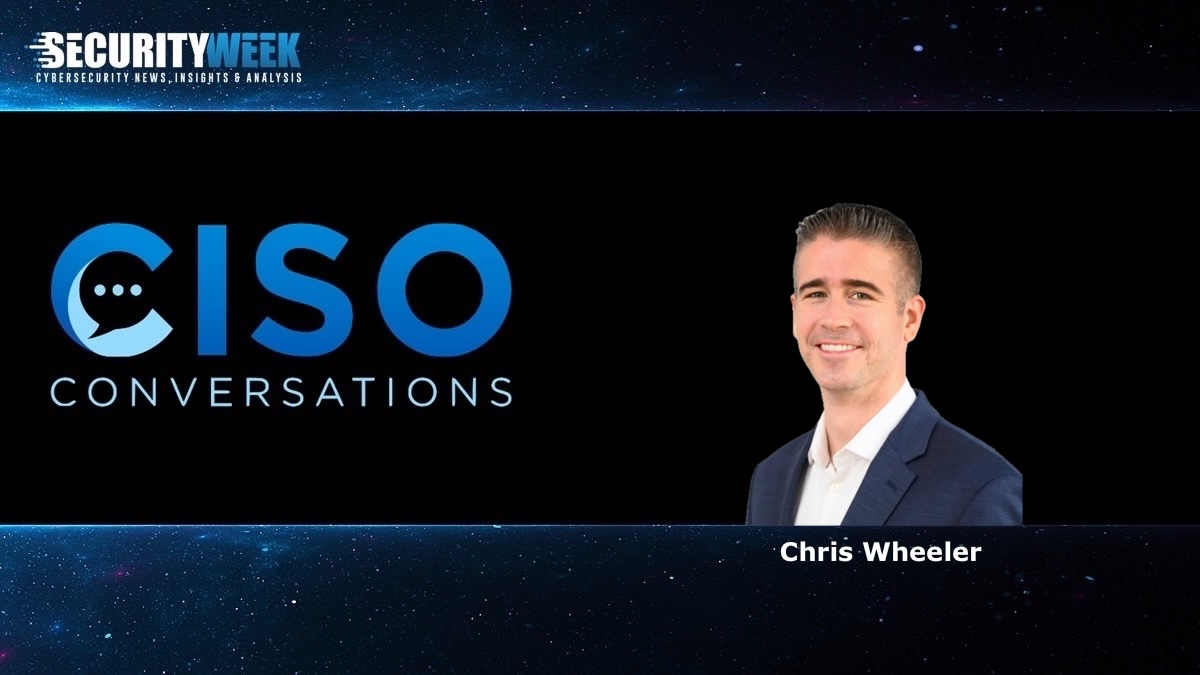
Resilience CISO Chris Wheeler discusses his transition from US Navy cyber operations to corporate leadership, emphasizing trust and business integration.
In the high-stakes arena of cybersecurity, leadership transcends mere technical proficiency. Chris Wheeler, the CISO at Resilience, offers a profound perspective on how his journey from the US Navy to the corporate C-suite has shaped his philosophy that 'Trust is the Job.'
Wheeler’s background is rooted in both tradition and intense training. Having served in the Navy for six years, he transitioned from traditional sailing on destroyers to specialized cyber operations, then known as 'information warfare.' This military discipline instilled in him a mission-oriented mindset and the ability to lead diverse teams under pressure—skills that are directly transferable to the complex world of corporate security.
The Shift to Business-Centric Security
One of the most significant transitions Wheeler highlights is the adaptation required when moving from military to commercial environments. In the corporate sector, technology evolves at breakneck speed, and networks are infinitely more complex.
A leader must understand and be able to do the whole job, but more importantly be able to teach others how and where to specialize.
BozokMedia analysis shows that the role of the CISO is undergoing a fundamental transformation. It is no longer enough to be a technical gatekeeper; a modern CISO must function as a business analyst who can quantify risk in financial terms and align security protocols with business continuity goals.
The Currency of Trust
For Wheeler, trust is the cornerstone of effective leadership. This trust must be reciprocal: business executives must trust the CISO's strategic advice, and the CISO must trust the specialized expertise of their team members. Without this foundation, the friction between 'security maximization' and 'business maximization' becomes insurmountable.
The AI Revolution in Security Teams
The emergence of Generative AI is reshaping how security teams are built. Wheeler notes that the democratization of automation means that deep programming expertise is becoming less of a prerequisite for security operations. Instead, the focus is shifting toward hiring individuals with high emotional intelligence and the ability to integrate AI into their workflows.
Frequently Asked Questions
1. How does military training assist a CISO?
Military training provides essential leadership, mission-focus, and the ability to manage teams in high-pressure, high-stakes environments.
2. Why is risk quantification important for CISOs?
It allows security leaders to communicate technical threats in terms of financial impact, helping business leaders make informed decisions.


