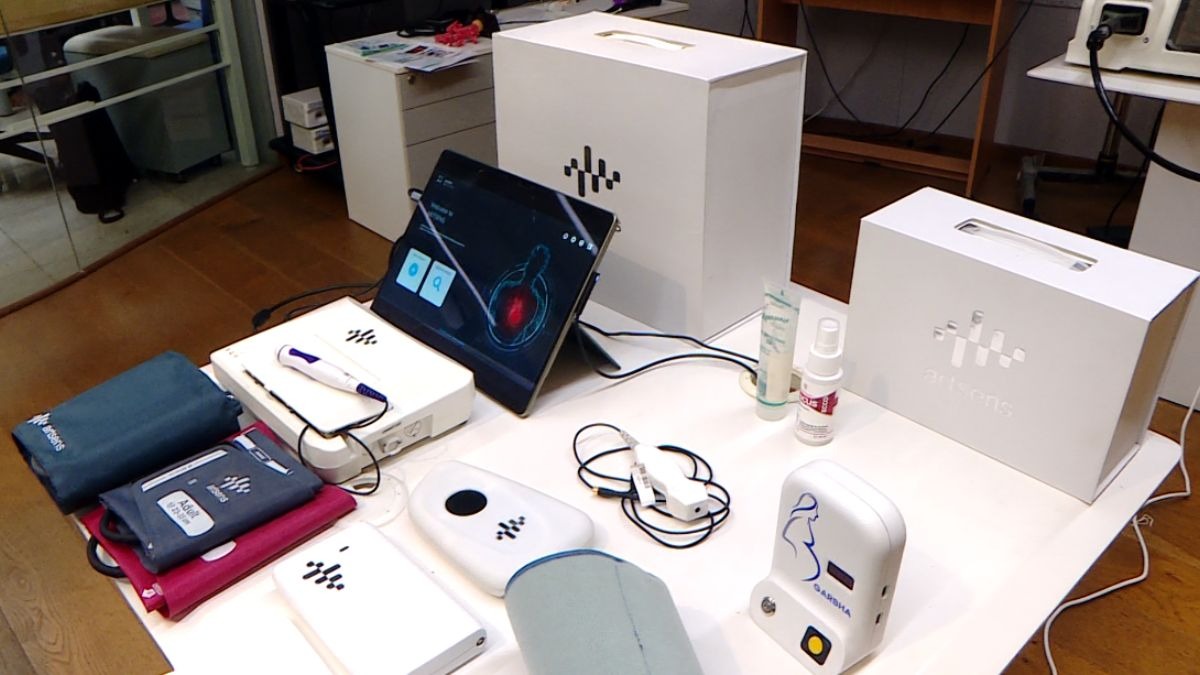
Researchers at IIT Madras have engineered a cutting-edge device capable of assessing arterial age, potentially predicting cardiovascular events decades before they occur.
- IIT Madras researchers have developed a device to measure arterial aging.
- The technology can identify heart attack risks decades in advance.
- This marks a significant leap in preventive cardiology and early intervention.
In a landmark achievement for medical engineering, scientists at the Indian Institute of Technology (IIT) Madras have developed a sophisticated device designed to assess the biological age of a person's arteries. This breakthrough offers a window into the future of cardiovascular health, potentially identifying the risk of a heart attack decades before clinical symptoms manifest.
The core innovation lies in the device's ability to analyze the structural integrity and elasticity of blood vessels. By determining whether a patient's arteries are aging faster than their chronological age, doctors can intervene much earlier than previously possible. This shift from reactive to proactive medicine could fundamentally change how we manage cardiovascular diseases.
Why This Matters
BozokMedia analysis shows that cardiovascular diseases remain the leading cause of mortality worldwide. The ability to detect 'arterial aging' provides a crucial window for lifestyle modifications and pharmacological interventions. This technology could bridge the gap between asymptomatic vascular changes and catastrophic cardiac events.
This technology will transform our approach to heart disease from reactive treatment to proactive prevention.
Current diagnostic methods often detect arterial damage only after significant blockage or damage has occurred. The IIT Madras device focuses on the subtle, early-stage changes in arterial stiffness—a key precursor to hypertension and atherosclerosis—making it a highly sensitive tool for early detection.
Historical Background
For decades, clinicians have sought non-invasive ways to measure arterial stiffness. Traditional methods often required expensive imaging or invasive procedures that were not suitable for routine screening. The development of this localized, high-precision device represents years of interdisciplinary research combining engineering and vascular biology.
Frequently Asked Questions
Question 1: How does this differ from a standard blood pressure test?
Answer: While blood pressure measures the force of blood, this device measures the actual age and health of the vessel walls themselves.
Question 2: When will this be available in hospitals?
Answer: The device is currently undergoing rigorous validation and testing phases before potential commercial and clinical deployment.