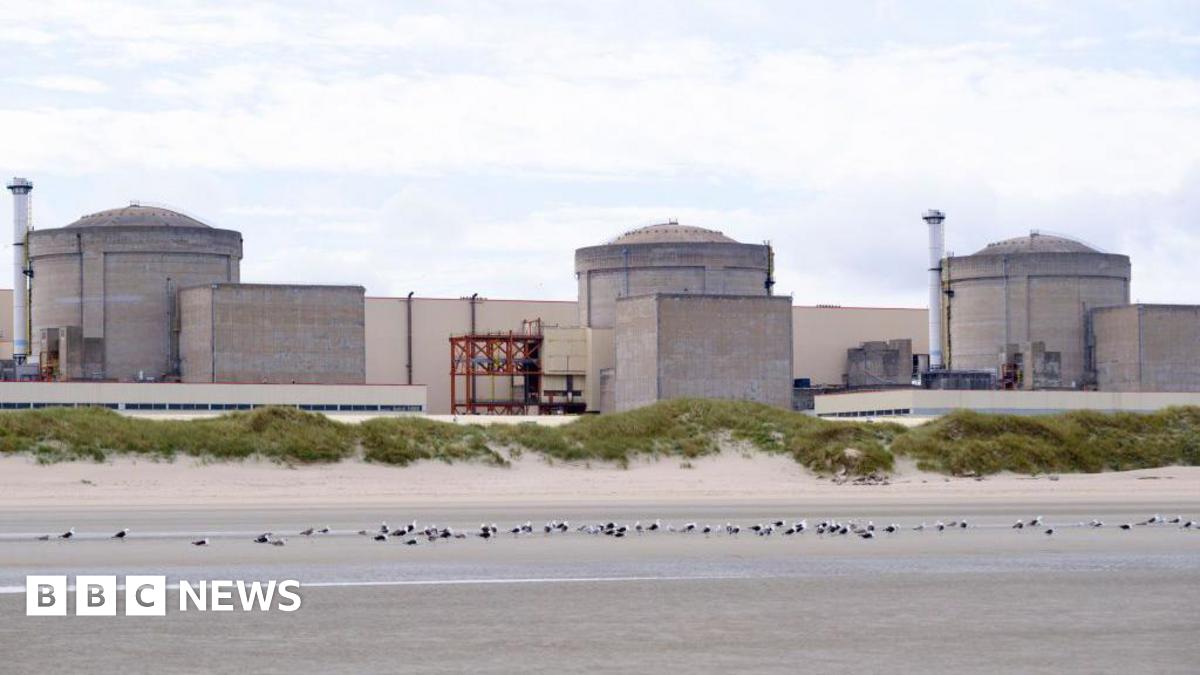
A massive influx of jellyfish in the North Sea has forced the partial shutdown of the Gravelines nuclear power station in northern France. This marks the second consecutive year the facility has faced such biological disruptions.
- Three units of the Gravelines nuclear plant have been shut down due to jellyfish infiltration.
- The jellyfish entered the seawater filtration system used for reactor cooling.
- Rising ocean temperatures are identified as a primary driver for the jellyfish swarm.
The Gravelines nuclear power station, one of France's most critical energy hubs, is facing operational disruptions due to a massive influx of jellyfish. Électricité de France (EDF) reported that two of the plant's six units were shut down on Wednesday and Thursday after jellyfish entered the seawater filtration system, which is essential for cooling the reactors.
Located in the Hauts-de-France region between Dunkirk and Calais, the facility is struggling with a recurring biological issue. A third unit has been offline since August 10, while a fourth unit remains closed for scheduled inspections. This is not an isolated incident; the plant faced similar shutdowns last August due to the same phenomenon.
Why This Matters
BozokMedia analysis shows that these biological interruptions are a direct consequence of changing marine ecosystems. As ocean temperatures rise, plankton levels increase at the water's surface, attracting massive swarms of jellyfish. For nuclear facilities that rely on seawater for thermal regulation, these swarms pose a significant mechanical risk to filtration systems and cooling efficiency.
The intersection of rising sea temperatures and critical infrastructure vulnerability highlights a new frontier in climate-related energy risks.
While such incidents are rare, they are not unprecedented. Similar biological clogging issues were recorded at the Torness plant in Scotland in 2011 and the Oskarshamn plant in Sweden in 2013. To mitigate this, EDF has engaged in a unique partnership with local fishermen to capture and relocate jellyfish further offshore to prevent them from entering the intake valves.
Historical Comparison of Biological Disruptions
| Country | Plant Name | Year | Primary Issue |
|---|---|---|---|
| France | Gravelines | 2024/2025 | Jellyfish Influx |
| United Kingdom | Torness | 2011 | Marine Life Clogging |
| Sweden | Oskarshamn | 2013 | Filter Obstruction |
Frequently Asked Questions (FAQ)
1. How do jellyfish affect a nuclear reactor?
Jellyfish can clog the seawater filtration systems used to cool the reactors, potentially leading to overheating if not addressed immediately.
2. Is the shutdown a sign of a nuclear leak?
No, the shutdown is a preventative safety measure to protect the equipment from mechanical damage caused by the jellyfish.


