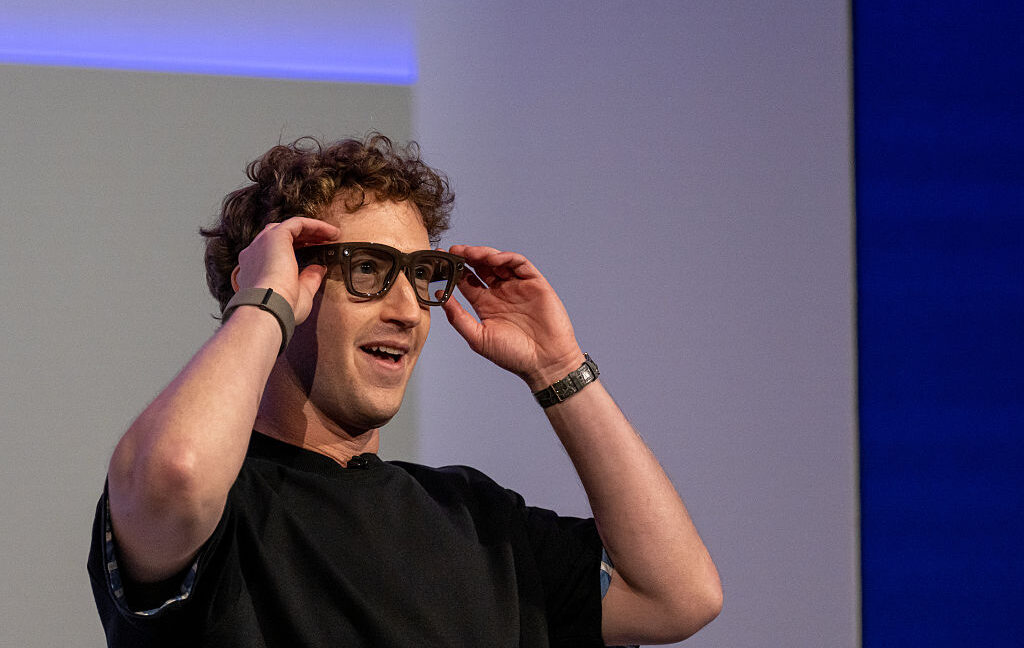
Meta has rolled out a critical software update for its AI glasses that automatically disables the camera if the safety LED is covered, preventing covert filming.
- Meta has closed a loophole used for non-consensual recording via smart glasses.
- The camera will now automatically stop functioning if the capture LED is obstructed.
- The update follows significant public backlash regarding privacy intrusions.
Meta is taking decisive action to address the growing concerns regarding the privacy implications of its AI-powered smart glasses. Following a wave of internet backlash and reports of non-consensual recordings, the company has introduced a software fix designed to eliminate a deceptive workaround used by some users.
The controversy centered on the device's safety LED, which is intended to alert bystanders when the glasses are actively capturing video or photos. Users had discovered a way to circumvent existing protections by reversing the sequence of actions: instead of placing a sticker over the light before recording, they would start the recording first and then cover the LED, effectively filming people without their knowledge.
The Technical Solution
In a recent communication on Threads, Alex Himel, Meta’s Executive Vice President of Wearables, detailed the upcoming update. He stated that the new protocol will ensure the camera ceases operation immediately if the capture LED is covered during an active session.
The capture LED can now reliably alert bystanders when photos or videos are being captured for someone’s gallery.
This update aims to restore the integrity of the visual indicator, ensuring that it serves its primary purpose: providing transparent notice to the public. By linking the camera's functionality directly to the visibility of the LED, Meta is creating a hardware-software synergy to enforce ethical usage.
Why This Matters
BozokMedia analysis shows that this move is a strategic attempt by Meta to navigate the complex intersection of augmented reality (AR) and civil liberties. As wearable AI becomes more ubiquitous, the ability for devices to 'see' the world must be balanced with the right of individuals to not be recorded without consent.
Historically, the rollout of smart eyewear has been plagued by privacy debates. From the early days of Google Glass to the current Meta ecosystem, the industry has struggled to find a balance between seamless technology and social acceptance. This update marks a significant step toward standardized privacy protocols in the wearables market.
Frequently Asked Questions
1. How does the new update work?
If the sensor detects that the LED light is being obstructed while the camera is on, it will automatically kill the recording feed.
2. Is this a hardware change or a software update?
It is a software update designed to enhance the existing hardware's safety features.