A leaked early version of Nvidia's DLSS 5 is sparking outrage as its GenAI upscaling erases artistic intent, turning stylized game characters into uncanny, hyper-realistic distortions.
- Leaked DLSS 5 models replace unique character art with generic, hyper-realistic AI filters.
- The technology performs well in photorealistic titles like NBA2K27 but fails miserably in stylized games.
- Users report massive performance hits, with frame rates dropping by 50% to 70%.
Modders have recently gained access to a leaked early build of Nvidia's DLSS 5, and the results are polarizing, ranging from technical awe to sheer disgust. The tool, which utilizes advanced Generative AI (GenAI) for upscaling, aims to push graphical realism to an extreme degree—often at the expense of the original artistic vision of the game developers.
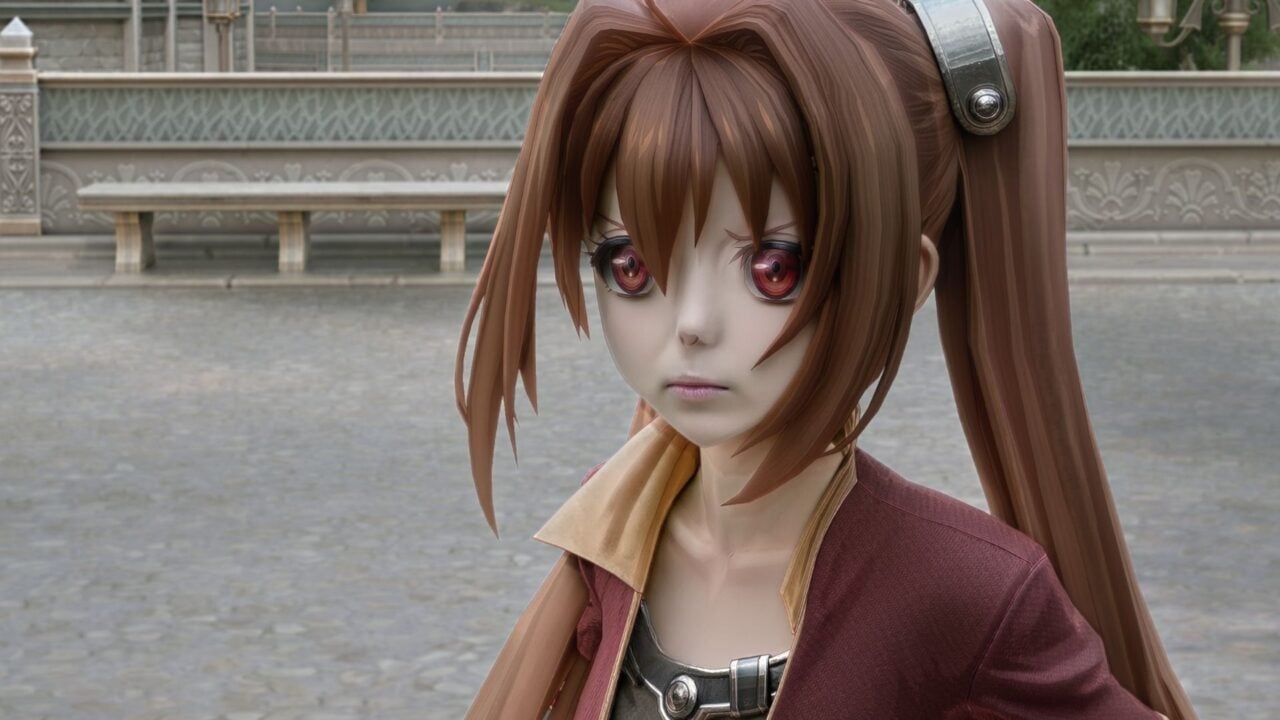
The community has dubbed the results 'nightmare fuel.' In games with distinct art styles, such as Kingdom Hearts 3 or Halo, the AI struggles to comprehend non-human aesthetics. It attempts to map 'real-world' human skin textures and lighting onto stylized characters, resulting in an eerie 'uncanny valley' effect where characters look like distorted, wax-like versions of themselves.
Why This Matters
BozokMedia analysis shows that this leak exposes a critical flaw in the current trajectory of GenAI in gaming. By training models on vast datasets of studio photography, Nvidia is creating a 'homogenization' of visuals. When the AI overrides a developer's hand-painted textures (as seen in Naughty Dog's philosophy for The Last of Us), it strips the medium of its artistic soul, replacing creative intent with a mathematical average of 'realism'.
"DLSS 5 is stripping away authored art styles in favor of a generic, AI-generated filter that prioritizes technical realism over creative intent."
Beyond the visual horror, the technical overhead of DLSS 5 appears to be unsustainable. Modders testing the leak in titles like Jedi Survivor and Marvel's Spider-Man 2 report that the AI 'eats FPS like cake,' with some seeing their frame rates plummet from 130 down to 70, or even lower. This contradicts the primary purpose of DLSS, which is typically to improve performance while enhancing visuals.
Historically, DLSS has been a gold standard for performance boosting. However, the shift toward GenAI reconstruction marks a dangerous pivot. Instead of filling in missing pixels, the AI is now hallucinating new details that weren't there, often incorrectly, leading to the 'Annoying Orange' effect in JRPGs like The Legend of Heroes.
| Game Type | DLSS 5 Visual Impact | Performance (FPS) |
|---|---|---|
| Photo-Realistic (e.g., NBA2K27) | Positive / Enhanced Realism | Significant Drop |
| Stylized (e.g., JRPGs/Kingdom Hearts) | Horrific / Uncanny Valley | Extreme Drop |
Frequently Asked Questions
Q1: When is the official release of DLSS 5?
It is tentatively slated for release in the fall of 2026.
Q2: Does DLSS 5 work for any games?
It appears most effective for games that already aim for absolute photorealism, but it is detrimental to any game with a stylized or non-realistic art direction.