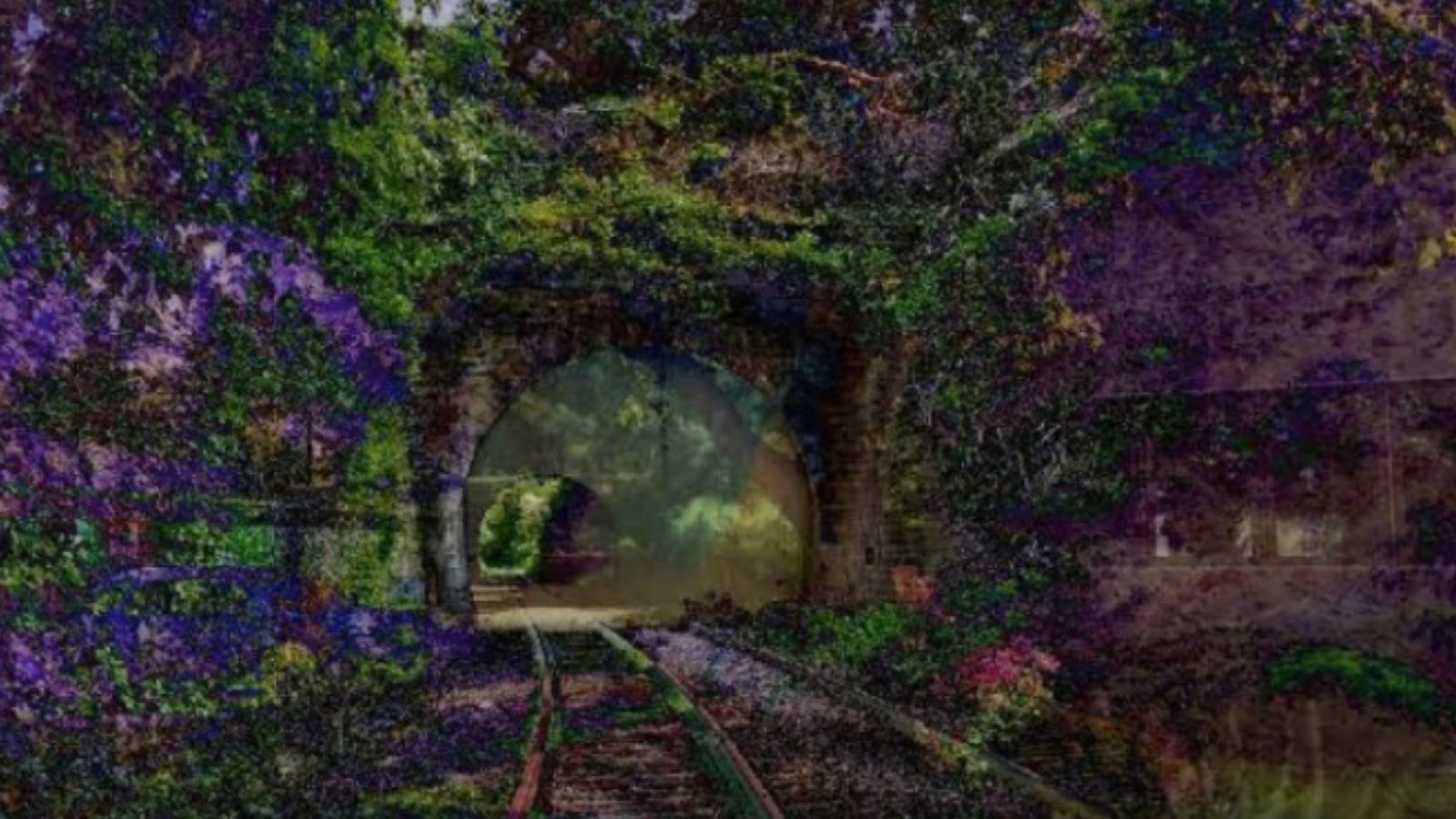
The Indian Copyright Office has ruled that while AI-generated content can be considered 'original' and protected by law, an AI system cannot be legally recognized as an 'author.' The decision stems from a high-profile case involving Stephen Thaler and his AI, DABUS.
- AI-generated works can be classified as 'original' and eligible for copyright protection.
- The term 'author' under the Copyright Act strictly refers to a human being.
- The ruling clarifies that autonomy in execution does not equal legal authorship.
In a landmark decision that sets a critical precedent for the digital age, the Copyright Office, under the Ministry of Commerce and Industry, has declared that an Artificial Intelligence (AI) system cannot be named the author of its creations. However, the office clarified that the resulting work itself can still be protected under copyright law.
The ruling emerged from a legal battle involving US-based AI researcher and CEO of Imagination Engines, Stephen Thaler. Thaler sought copyright registration for an artwork titled 'A Recent Entrance to Paradise,' which was generated by his AI system, DABUS (Device for the Autonomous Bootstrapping of Unified Sentience). Thaler argued that the artwork was produced without any real-time human intervention or text prompts, making DABUS the sole creator.
Why This Matters
BozokMedia analysis shows that this ruling provides a vital legal framework for the burgeoning AI economy. By decoupling the 'act of creation' from the 'legal identity of the author,' India is allowing the creative industry—spanning media, gaming, and publishing—to utilize AI tools while maintaining human accountability. It prevents a legal vacuum where AI-generated works would otherwise fall into the public domain immediately due to a lack of a human author.
Registrar of Copyright, Prof (Dr) Unnat Pandit, noted that while the artwork possessed sufficient expressive character to be deemed 'original,' the law distinguishes between the technological mechanism and the legally recognized person. The office maintained that DABUS operated within an architecture and set of parameters established by Dr. Thaler.
"Autonomy in execution is not synonymous with the conception of a work; the machine is a tool, not a legal entity."
Historically, this case is part of a global trend. Thaler has approached 16 jurisdictions worldwide with similar claims. In March 2025, a US court rejected his application, citing that the US Copyright Act explicitly requires human authorship. This Indian ruling aligns with global standards but adds a layer of clarity regarding the 'originality' of the output.
| Jurisdiction | AI Authorship Status | Work Protection |
|---|---|---|
| India | Rejected (Human only) | Possible (if original) |
| USA | Rejected (Human required) | Strict/Limited |
| UK/Ireland | Attributed to Human Arranger | Protected |
Frequently Asked Questions
Q1: Can I copyright a painting made by AI?
Yes, provided the work is original and not copied. However, you must list a human (the person who configured the AI) as the author, not the AI system itself.
Q2: How does this affect AI training (LLMs)?
This complements the Delhi High Court's view that training models on copyrighted data isn't infringement as long as the output is distinct, further securing the path for AI-assisted creativity.

