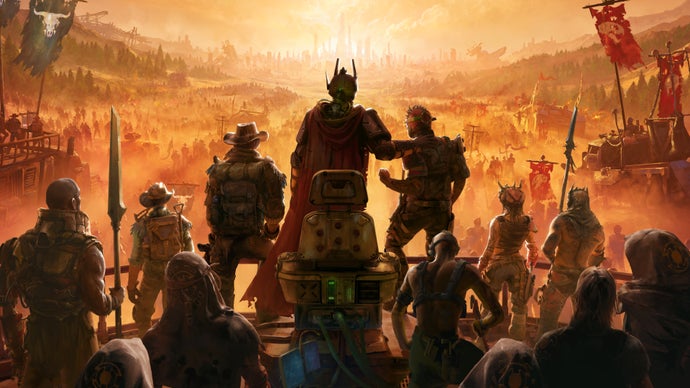
Paradox Interactive is shaking up the grand strategy genre with 'Afterworld', a post-apocalyptic survival epic that replaces overwhelming complexity with a smart, 'drip-fed' mechanic system.
- Afterworld blends traditional grand strategy with survival and settlement building in a ruined North America.
- A new 'Ideas' system prevents player burnout by unlocking mechanics only as they are discovered in-game.
- Players can choose from diverse origins, including the balanced Shelterborne, religious fanatics, or militaristic wardens.
For years, Paradox Interactive has been the gold standard for grand strategy games, yet their titles have often been criticized for having a steep learning curve that can alienate newcomers. However, the first hands-on impressions of their latest project, Afterworld, suggest a fundamental shift in design philosophy. Set in a hazardous, post-apocalyptic North America, the game challenges players to lead a ragtag group of survivors from humble beginnings to a continent-spanning empire.
Unlike the political intrigue of Crusader Kings, Afterworld draws heavy inspiration from survival and settlement builders. The game begins with a critical choice of 'Origins'. Players can start as the Shelterborne (vault dwellers balanced for beginners), a group of religious fanatics worshipping an 'Ancient', or a militaristic band of former wardens and prisoners. This choice doesn't just affect stats; it shapes the narrative flavor and playstyle of the entire campaign.
Why This Matters
BozokMedia analysis shows that Paradox is attempting to solve the 'complexity wall' that plagues the 4X genre. By integrating survival elements, they are grounding the grand strategy experience in tangible, immediate goals—like finding a new home before a reactor explodes—rather than abstract geopolitical management from minute one.
The most innovative feature is the 'Ideas' system. Instead of overwhelming the player with a massive manual of terminology, mechanics are hidden until the player discovers them through exploration. For example, finding a river might trigger the 'Idea' of fishing. This 'drip-feed' approach ensures that the player's cognitive load remains manageable while they immerse themselves in the lore.
"The 'Ideas' system allows us to drip-feed mechanics to the player at the same time they are exploring the lore of the world," explains Game Director Dan Lind.
Gameplay rhythm in Afterworld is notably more mobile than its predecessors. The world is procedurally generated, divided into provinces where players must balance fertility and radiation levels. The goal is not just to expand, but to migrate and adapt, creating a sense of impermanence where players may be forced to abandon their settlements to survive.
| Feature | Traditional Paradox Games | Afterworld |
|---|---|---|
| Learning Curve | Steep/Overwhelming | Gradual/Discovery-based |
| Core Loop | Political/Diplomatic Management | Survival/Settlement Building |
| Mobility | Static Borders/Expansion | Migratory/Dynamic Movement |
Frequently Asked Questions
Q: How does Afterworld differ from Crusader Kings?
A: While Crusader Kings focuses on dynasty and role-playing, Afterworld emphasizes survival, settlement building, and the exploration of a ruined world.
Q: Is Afterworld suitable for players who find grand strategy too hard?
A: Yes, the 'Ideas' system and the Shelterborne origin are specifically designed to make the game more accessible to beginners.


