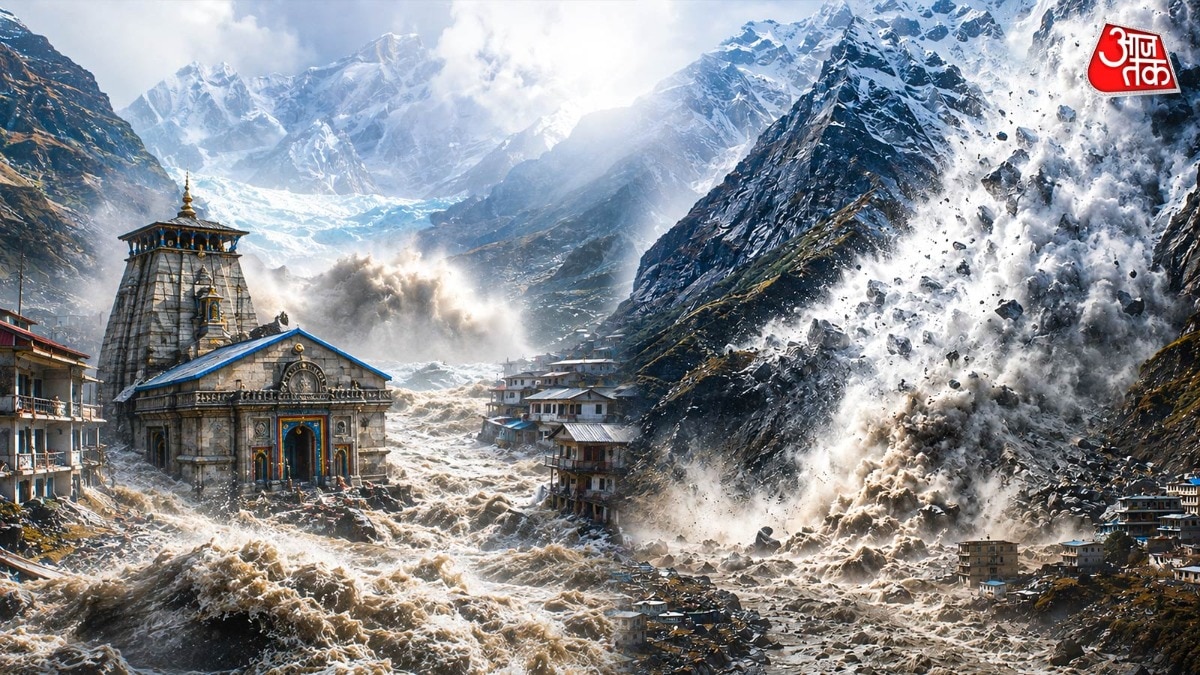
From the bursting of glacial lakes in Kedarnath (2013) to the massive mountain collapses in Nepal (2026), the face of Himalayan disasters is changing rapidly.
- The 2013 Kedarnath tragedy was primarily triggered by the Chorabari Lake outburst.
- The 2026 Nepal flood was caused by massive ice and rock avalanches from high altitudes.
- Both disasters utilized debris-laden water to maximize destruction.
- Climate change is altering the fundamental patterns of Himalayan disasters.
The geological sensitivity of the Himalayan region is witnessing a terrifying shift in disaster patterns. Thirteen years after the devastating Kedarnath tragedy in June 2013, which shook Uttarakhand, a new kind of catastrophe has struck Rasuwa, Nepal on August 26, 2026. While the 2013 event was characterized by the bursting of a glacial lake, the recent Nepal disaster involved a massive descent of ice and rock, signaling a change in how the mountains react to environmental stress.
The Science of Destruction: A Comparison
In the 2013 Uttarakhand disaster, relentless rainfall led to the weakening of the natural moraine dam of the Chorabari Lake. This released approximately 6.1 lakh cubic meters of water, mixed with silt and debris, into the Mandakini River. In stark contrast, the 2026 Nepal event saw a massive section of ice and rock break away from an altitude of 5,200 meters. This debris traveled 22 kilometers in just over seven minutes, reaching an average speed of 167 km/h, creating a catastrophic flash flood in the Bhote Koshi River.
Himalayan disasters are no longer just about rainfall; they are increasingly driven by geological instability and rapid glacial shifts.
Why This Matters
BozokMedia analysis shows that the transition from Glacial Lake Outburst Floods (GLOF) to high-velocity mass wasting events suggests a deeper instability in the Himalayan crust. The Nepal disaster, which has already claimed 987 lives and left thousands missing, highlights that traditional flood warnings may not be sufficient for these high-speed, debris-heavy events. The kinetic energy of falling mountains is becoming a primary driver of mortality in the region.
| Feature | Kedarnath Disaster (2013) | Nepal Disaster (2026) |
|---|---|---|
| Primary Trigger | Glacial Lake Outburst (GLOF) | Massive Rock & Ice Avalanche |
| Velocity/Impact | Heavy rainfall and water surge | Extreme speed of 167 km/h |
| Key Region | Uttarakhand, India | Rasuwa, Nepal |
| Affected River | Mandakini River | Bhote Koshi River |
As of September 1, 2026, the death toll in Nepal has climbed to 987, with 3,916 people missing. The impact has spread beyond Rasuwa to Nuwakot and Dhading, destroying infrastructure and hydropower projects. This underscores the urgent need for a localized, multi-hazard early warning system that accounts for both hydrological and geological shifts.
Frequently Asked Questions
1. What is the main difference between the Kedarnath and Nepal disasters?
Kedarnath was primarily caused by a lake bursting due to rain, whereas the Nepal disaster was triggered by massive rock and ice avalanches from high altitudes.
2. Is the Himalayan region becoming more dangerous?
Yes, scientific evidence suggests that climate change is increasing the frequency and changing the nature of disasters in the Himalayas.

