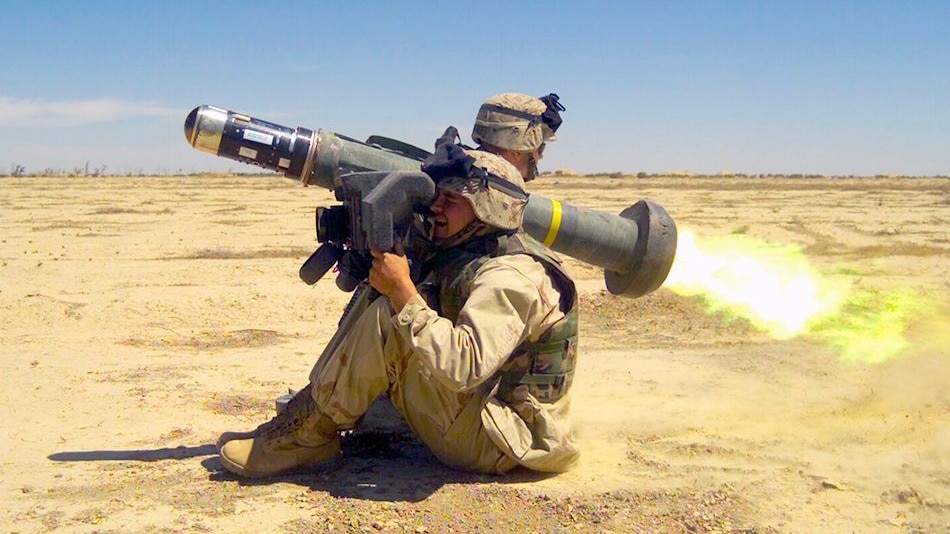
India has signed an MoU with Tata Advanced Systems to assemble U.S. Javelin anti‑tank missiles domestically. While the partnership promises manufacturing growth, questions linger over technology transfer, costs, and its impact on indigenous programs.
- Tata Advanced Systems will lead final assembly and integration of the Javelin All Up Round in India.
- Core design and intellectual property remain with the United States, limiting true technology transfer.
- Coexistence with the indigenous MPATGM program is crucial for long‑term self‑reliance.
Deal Overview
India and Tata Advanced Systems have signed a memorandum of understanding with the Javelin Joint Venture – a partnership between Raytheon and Lockheed Martin – to explore co‑production of the Javelin anti‑tank missile system on Indian soil. Tata will act as the prime Indian partner, handling final assembly, integration, and limited component manufacturing.
Technical and Cost Challenges
Key sub‑assembly kits will be produced in Alabama, while guidance electronics will come from Arizona. These parts will be shipped to India for final assembly, meaning the underlying technology and IP stay with the U.S. firms, offering India only an assembly‑level advantage.
Domestic Production vs Indigenous Development
India’s home‑grown anti‑tank missile, the MPATGM, is touted as world‑class, featuring a tandem warhead and top‑attack capability. While MPATGM promises strategic independence, the Javelin can provide an immediate operational edge as the indigenous system scales up.
Strategic Implications
The Javelin’s fire‑and‑forget capability complements drone warfare, especially in electronic‑warfare‑dense environments where unmanned systems may be jammed. This dual‑track approach could enhance battlefield flexibility while India continues to mature its own missile industry.
Why This Matters
BozokMedia analysis shows that the Javelin partnership not only boosts India’s short‑term battlefield readiness but also pressures domestic R&D to accelerate indigenous missile technologies, reshaping the regional defence market.
"The Javelin assembly will sharpen India’s manufacturing skills, but true self‑reliance arrives only when design and IP are owned domestically," says defence analyst Unnithan.
Frequently Asked Questions
Will the Javelin assembly create significant economic benefits for India?
Local assembly will develop supply chains, generate jobs, and reduce foreign‑exchange outflow for missile procurement.
Could geopolitical tensions restrict the use of Indian‑assembled Javelins?
If the missiles become part of a broader U.S. supply chain, end‑use restrictions could arise, limiting export or deployment to certain conflict zones.