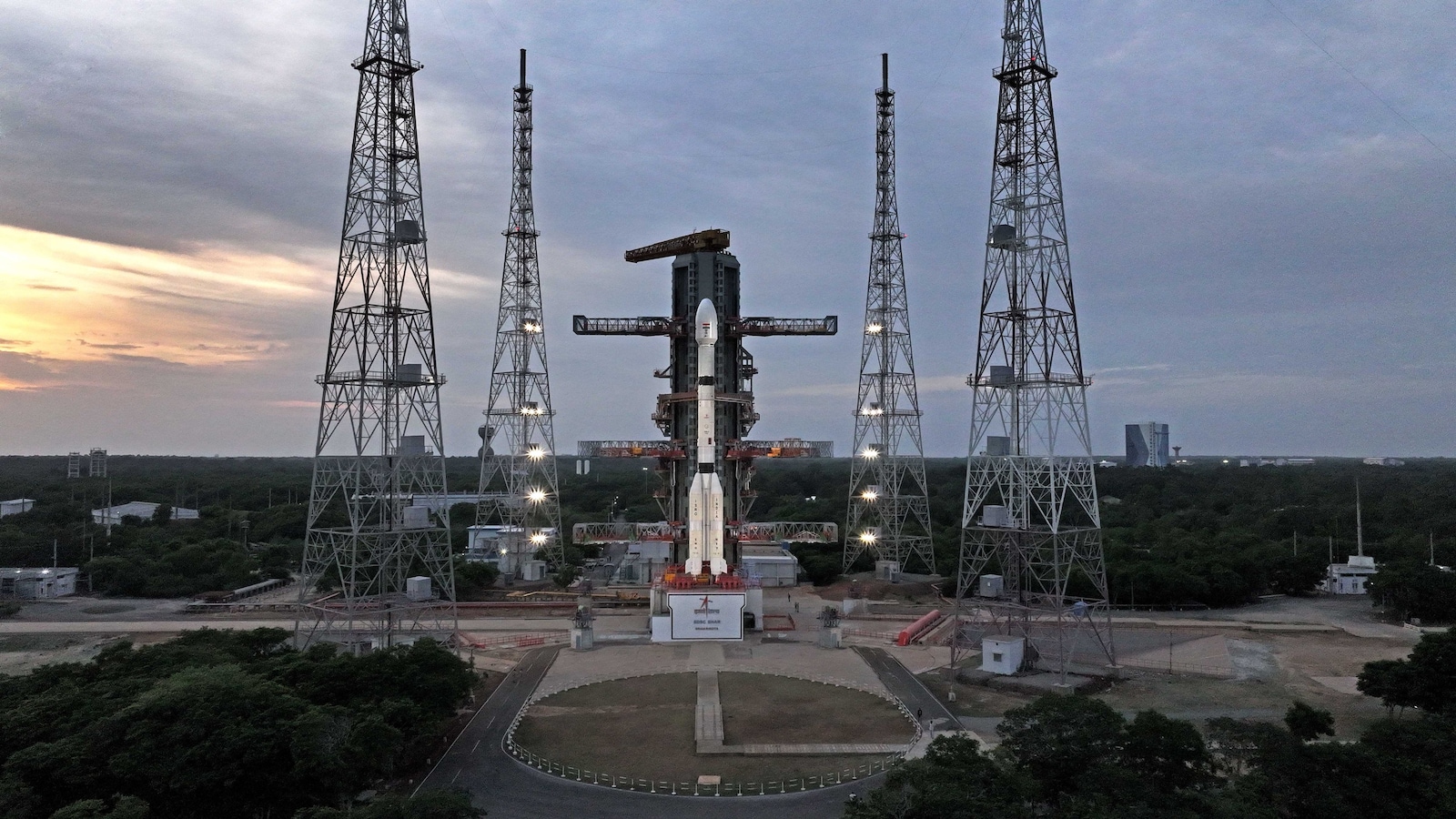
ISRO is set to launch the GSLV-F17 carrying EOS-5, India's first geosynchronous imaging satellite. This mission comes at a critical time following recent PSLV setbacks.
- GSLV-F17/EOS-5 mission is scheduled for launch at 2:55 AM on September 4.
- EOS-5 is India's premier imaging satellite for geosynchronous orbit.
- The mission serves as a crucial comeback attempt after recent PSLV launch failures.
In the quiet, early hours of September 4, the Satish Dhawan Space Centre in Sriharikota will witness a high-stakes moment for the Indian Space Research Organisation (ISRO). The scheduled launch of the GSLV-F17 carrying the EOS-05 satellite is not just a routine deployment; it is a mission of redemption. After a series of setbacks with the reliable PSLV, ISRO is looking to its heavy-lift capabilities to restore global confidence.
The Shadow of PSLV Failures
The stakes couldn't be higher. In recent years, the Polar Satellite Launch Vehicle (PSLV), long considered India's most dependable rocket, faced consecutive failures in 2025 and 2026. These incidents forced a temporary grounding of the launcher, leaving a dent in ISRO's impeccable track record. The success of the GSLV-F17 is essential to prove that the organization's technical prowess remains intact.
Why This Matters
BozokMedia analysis shows that the EOS-5 mission is a strategic necessity for India. Unlike previous Earth observation satellites, EOS-5 will operate from a geosynchronous orbit at 36,000 km, providing continuous monitoring of weather patterns and, more importantly, India's sensitive borders. This capability is vital for national security and disaster management.
The GSLV mission represents the ultimate test of India's indigenous cryogenic propulsion technology.
Historically, the GSLV has been affectionately and nervously nicknamed the 'Naughty Boy' within ISRO corridors. This moniker stems from its unpredictable developmental phase, where several early missions failed to achieve their full objectives. However, the GSLV is also the vehicle that broke through international technological embargoes.
Historical Background: The Cryogenic Struggle
During the 1990s, India's quest for cryogenic technology was met with fierce international resistance, particularly from the United States, which feared missile proliferation. Rather than yielding, ISRO engineers undertook the monumental task of developing indigenous cryogenic engines. This journey involved mastering extreme temperatures—colder than -250 degrees Celsius—and eventually paved the way for India's heavy-satellite launch capabilities.
Frequently Asked Questions
Question 1: What makes EOS-5 different from previous satellites?
Answer: EOS-5 is India's first imaging satellite designed to operate from a geosynchronous orbit, allowing for continuous Earth observation.
Question 2: Is the GSLV related to the recent PSLV failures?
Answer: No, the GSLV Mk II and PSLV use different propulsion systems and engines, meaning the technical issues affecting PSLV do not directly impact the GSLV.


