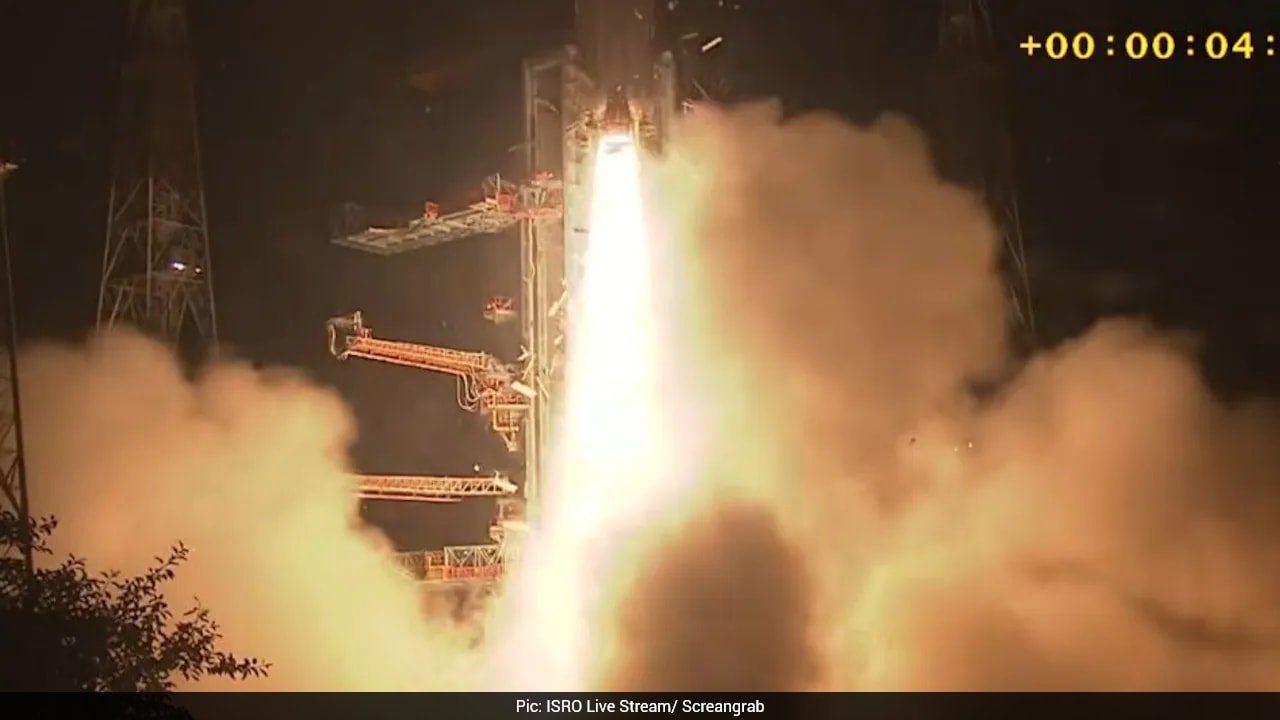
ISRO is prepared for the high-stakes launch of the GSLV-F17 rocket carrying the EOS-05 satellite tonight. This mission marks a paradigm shift as EOS-05 becomes India's first imaging spacecraft to operate from geosynchronous orbit.
- ISRO will launch the EOS-05 satellite via the GSLV-F17 rocket tonight.
- EOS-05 will be India's first imaging spacecraft to function from a geosynchronous orbit.
- The mission aims to provide advanced Earth observation capabilities for India.
The Indian Space Research Organisation (ISRO) is gearing up for a momentous night at the Satish Dhawan Space Centre. The scheduled liftoff of the GSLV-F17 rocket, carrying the advanced EOS-05 Earth observation satellite, promises to redefine India's strategic capabilities in space.
The EOS-05 mission is particularly significant because it represents a technological leap. According to ISRO, this will be India's very first imaging spacecraft designed to operate from a geosynchronous orbit. Unlike traditional low-earth orbit satellites that move rapidly across the sky, a geosynchronous satellite maintains a position relative to a fixed point on Earth, allowing for continuous, uninterrupted monitoring.
Why This Matters
BozokMedia analysis shows that this capability is a game-changer for India's national security and resource management. By operating from a geosynchronous orbit, EOS-05 will provide persistent surveillance, which is vital for real-time weather monitoring, disaster management, and maritime domain awareness, placing India among an elite group of space-faring nations.
The deployment of EOS-05 signifies India's transition from reactive space observation to proactive, continuous orbital surveillance.
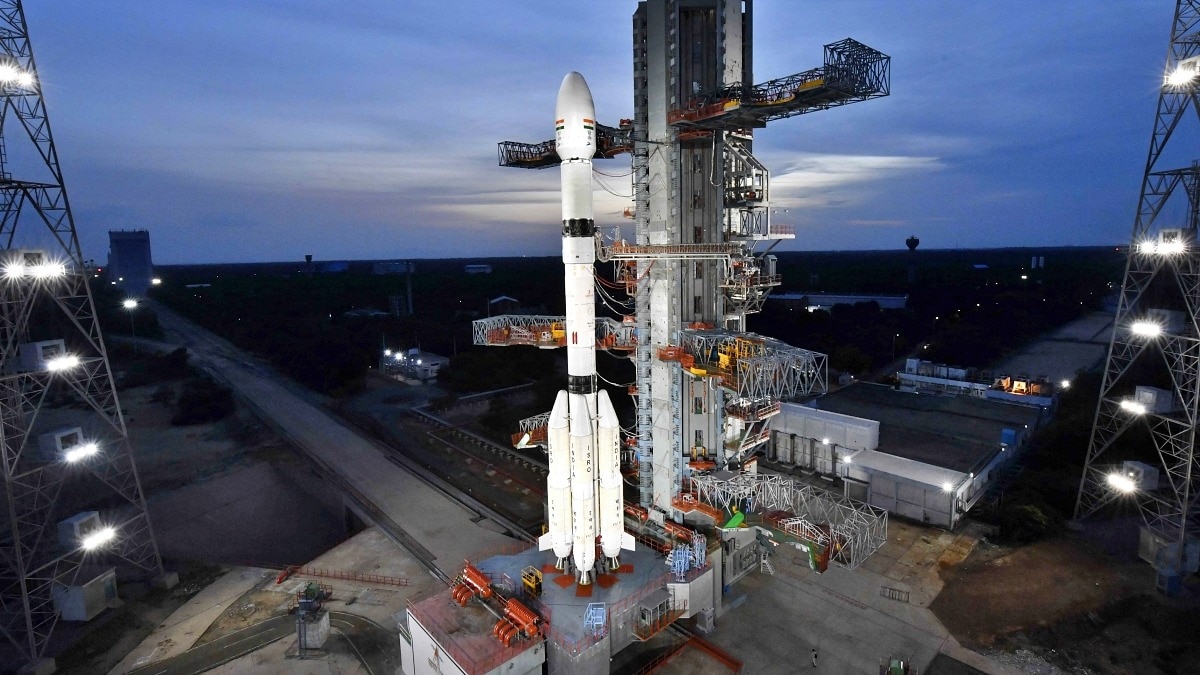
The GSLV-F17 rocket, seen poised on the launch pad, is a testament to India's growing prowess in heavy-lift launch vehicle technology. The Geosynchronous Satellite Launch Vehicle (GSLV) series has been the backbone of India's efforts to reach complex orbits, and this launch further solidifies ISRO's reliability in the global commercial and scientific space sectors.
Historical Background
India's journey from launching sounding rockets in the 1960s to mastering the complex GSLV technology has been nothing short of extraordinary. The evolution of the Earth Observation Satellite (EOS) series has consistently pushed the boundaries of indigenous sensor technology, reducing India's dependence on foreign satellite data for critical domestic needs.
Frequently Asked Questions
Q1: What makes EOS-05 different from previous satellites?
A1: Its ability to operate from a geosynchronous orbit allows it to provide continuous imaging of a specific area, unlike satellites in lower orbits.
Q2: What is the role of the GSLV-F17?
A2: The GSLV-F17 is the launch vehicle responsible for carrying the heavy EOS-05 payload into its designated high-altitude orbit.