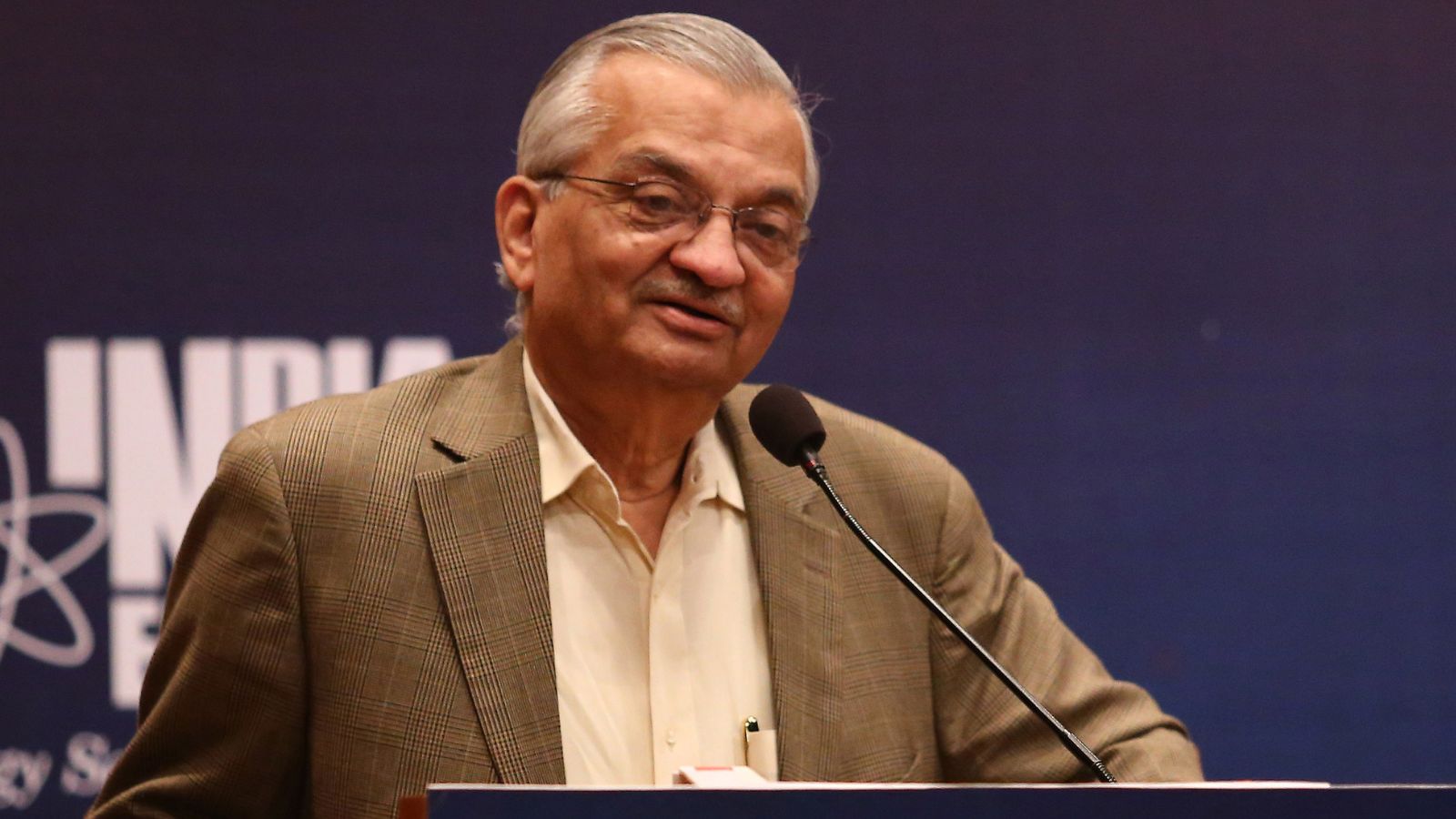
Renowned nuclear scientist Anil Kakodkar has proposed integrating thorium-based fuel into India's existing reactor fleet to bypass looming uranium shortages.
- Anil Kakodkar suggests introducing thorium into the existing PHWR fleet.
- India possesses massive thorium reserves, essential for long-term self-reliance.
- Global uranium supplies are expected to face significant strain soon.
- High burn-up thorium fuel could potentially reduce uranium consumption.
In a significant push for India's energy sovereignty, top nuclear scientist Anil Kakodkar has advocated for the early introduction of thorium-based fuel into the country's indigenous Pressurised Heavy Water Reactor (PHWR) fleet. Speaking at the 6th International Climate Summit, Kakodkar emphasized that leveraging India's vast thorium reserves could accelerate the nation's journey toward becoming self-reliant in nuclear fuel.
While India is currently executing a sophisticated three-stage nuclear programme, Kakodkar argues that the scale of the current PHWR fleet—projected to reach 50-60 gigawatts—presents a unique opportunity to introduce thorium much earlier than previously envisioned. This strategic shift could bridge the gap while the nation waits for the full deployment of Fast Breeder Reactors (FBRs).
Why This Matters
BozokMedia analysis shows that the global landscape for nuclear fuel is shifting rapidly. As nations worldwide scramble to scale up nuclear capacities to meet climate goals, the demand for uranium is set to outstrip supply, creating geopolitical and economic vulnerabilities for energy-importing nations like India.
The transition from uranium to thorium has to be a priority as uranium supply is going to come under increasing pressure.
A major concern regarding thorium has always been its cost-effectiveness, as it acts as a stronger neutron absorber than uranium. However, Kakodkar pointed out that by utilizing thorium-bearing fuel with a 'high burn-up' rate, India can achieve a 'win-win' scenario. This method would allow existing reactors to produce more energy while simultaneously reducing the required amount of uranium consumption.
India's Three-Stage Nuclear Roadmap
| Stage | Primary Fuel | Technological Goal |
|---|---|---|
| Stage 1 | Natural Uranium | PHWR (Pressurised Heavy Water Reactors) |
| Stage 2 | Plutonium + Depleted Uranium | FBR (Fast Breeder Reactors) |
| Stage 3 | Thorium (Th-232) | U-233 based Advanced Reactors |
The progress in this sector has been noteworthy; recently, India's first indigenous fast breeder reactor at Kalpakkam achieved criticality. This milestone marks a vital step toward the second stage of the programme, paving the way for the eventual large-scale utilization of thorium.
Frequently Asked Questions
1. What is the main advantage of thorium over uranium?
Thorium is far more abundant in India's geography, offering a sustainable and long-term solution to energy security compared to the limited global supply of uranium.
2. How does 'high burn-up' fuel help?
High burn-up fuel allows the reactor to extract more energy from the fuel before it needs replacement, which helps in managing costs and uranium usage.


