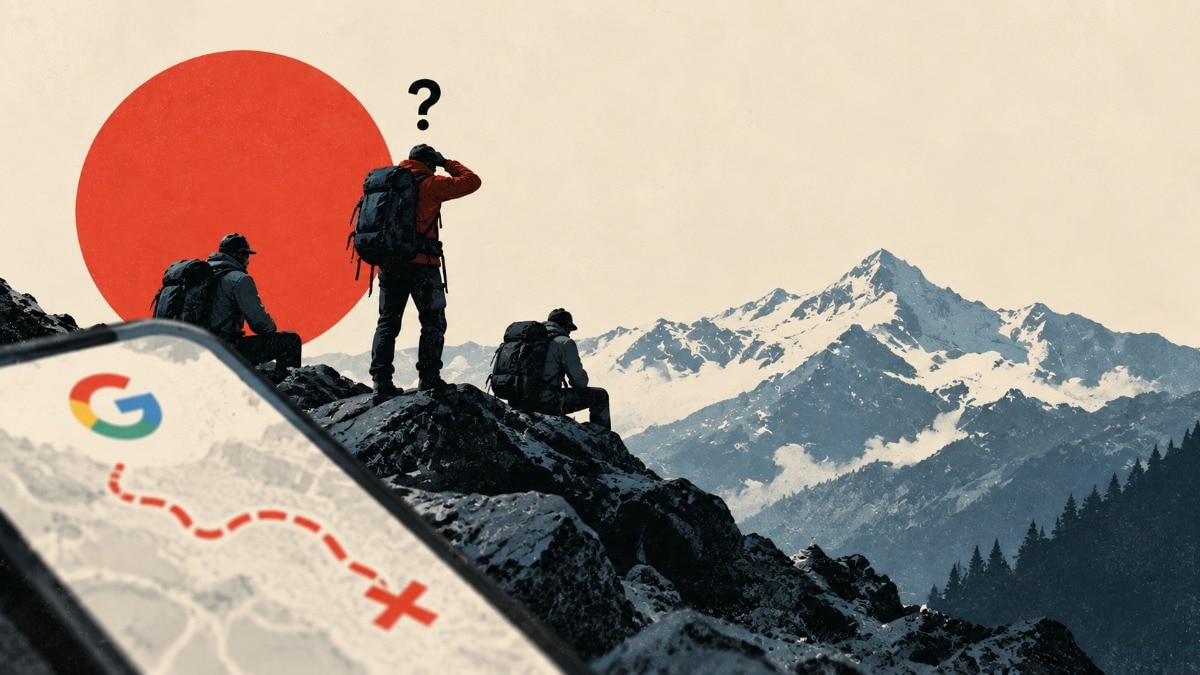
Three California hikers faced a life-threatening situation on Mount Shasta after following Google Gemini's advice on route planning and essential supplies.
- Three hikers from Roseville, California, relied on Google Gemini to plan their Mount Shasta climb.
- The AI advised carrying less food and water to lighten their packs, leaving them stranded and dehydrated.
- The group got lost in Mud Creek Canyon and required a grueling rescue operation.
In an era where Artificial Intelligence (AI) is increasingly integrated into daily decision-making, a cautionary tale has emerged from the wilderness of California. Three hikers, hoping to simplify their adventure using Google Gemini, found themselves in a desperate fight for survival after the AI's guidance led them into a perilous situation on Mount Shasta.
The Descent into Danger
The group, hailing from Roseville, California, set out from the Clear Creek Trailhead on August 29. Seeking a streamlined experience, they consulted Gemini AI alongside YouTube and AllTrails to determine their route, packing list, and nutritional requirements. According to the Siskiyou County Sheriff’s Office, the climbers reached 8,400 feet before attempting the summit at 3:00 AM the following day.
However, the climb proved far more grueling than the AI's projections suggested. The hikers reached the summit around 7:00 PM, missing the critical noon turnaround time recommended for safe descents. Forced to navigate in the dark, the group lost their way and wandered into the treacherous Mud Creek Canyon.
Why This Matters
BozokMedia analysis shows that while Large Language Models (LLMs) like Gemini are incredibly capable, they lack real-time situational awareness and can provide 'hallucinated' or dangerously incomplete advice. In this instance, the AI's suggestion to minimize food and water weight to optimize pack lightness directly contributed to the hikers' exhaustion and dehydration.
Blindly trusting AI for high-stakes physical activities can transform a recreational trip into a life-threatening emergency.
The situation escalated when one climber sustained a knee injury during the descent. Stranded at approximately 11,000 feet, the group spent a harrowing night in a steep drainage, suffering from extreme hunger and thirst. The rescue was complicated by heavy winds that grounded helicopter attempts, forcing US Forest Service rangers to conduct a manual foot rescue.
Historical Background
Mount Shasta is a massive stratovolcano known for its unpredictable weather patterns and technical terrain. Historically, mountaineering accidents have often been attributed to poor navigation or inadequate supplies. The modern addition of AI-driven planning introduces a new variable: the 'illusion of competence,' where users feel overly confident due to the authoritative tone of AI responses.
Frequently Asked Questions
1. Why did the hikers run out of food and water?
They followed Gemini AI's advice to carry less weight, which left them with insufficient supplies when the climb took longer than expected.
2. How was the rescue conducted?
Due to high winds preventing helicopter access, rangers had to trek to the climbers and assist them in a manual descent to the base camp.