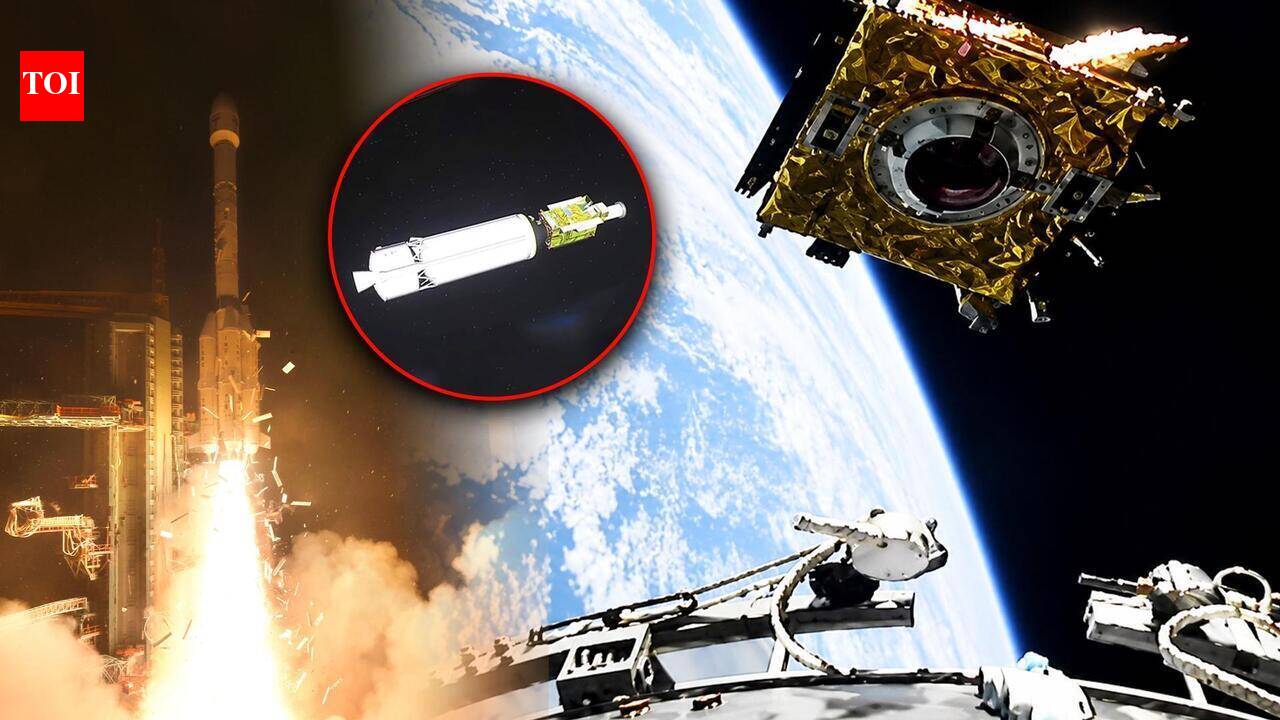
In a landmark achievement, ISRO has successfully launched the EOS-05, India's first imaging satellite designed for geosynchronous orbit, using the GSLV-F17 rocket.
- ISRO successfully launched the EOS-05 imaging satellite via the GSLV-F17 rocket.
- It is India's first satellite designed to operate from a geosynchronous orbit.
- The mission marked the highest-ever payload capacity of 2,367kg for the GSLV.
The Indian Space Research Organisation (ISRO) has achieved a historic milestone by successfully placing EOS-05, India's first imaging satellite designed for geosynchronous orbit, into its intended transfer orbit. The launch took place from the Sriharikota spaceport at 2:55 AM, propelled by the 51.7-meter-tall GSLV-F17 rocket.
This mission represents a significant leap in India's Earth observation capabilities. The 2,367kg satellite is engineered to provide high-resolution strategic data from a geosynchronous orbit, allowing for continuous monitoring of specific regions on Earth. ISRO Chairman V. Narayanan confirmed the mission's success, noting that the satellite has reached its intended orbit and will now use onboard thrusters to maneuver into its final operational position.
Why This Matters
BozokMedia analysis shows that the success of EOS-05 solidifies India's position in the global space economy. By mastering geosynchronous imaging, India reduces its reliance on international satellite constellations for critical data regarding national security, disaster management, and environmental monitoring. This launch also demonstrates the immense reliability and increased payload capacity of the GSLV series.
The successful deployment of EOS-05 marks a strategic shift in India's space doctrine, moving from low-earth observation to high-altitude strategic surveillance.
The GSLV-F17 flight marks the 19th mission of the GSLV class and the 107th launch from the Sriharikota facility. Notably, this mission achieved the highest-ever payload weight of 2,367kg, proving the rocket's enhanced performance and structural integrity.
Historical Background
India's journey from launching small sounding rockets to deploying heavy-duty communication and imaging satellites is unparalleled. The development of the Geosynchronous Satellite Launch Vehicle (GSLV) has been the cornerstone of this evolution, enabling India to launch heavy payloads into much higher orbits than the previous PSLV systems allowed.
Frequently Asked Questions
1. What makes EOS-05 different from previous ISRO satellites?
Unlike many previous satellites in Low Earth Orbit (LEO), EOS-05 is designed to operate from a geosynchronous orbit for continuous observation.
2. Which rocket was used for this launch?
The mission was successfully executed using the GSLV-F17 rocket.